
U.S.
Are US bridges safe? Researchers hope to find answers after Baltimore collapse
Media Landscape
See who else is reporting on this story and which side of the political spectrum they lean. To read other sources, click on the plus signs below.
Learn more about this dataLeft 18%
Center 82%
Right 0%
Bias Distribution Powered by Ground News™
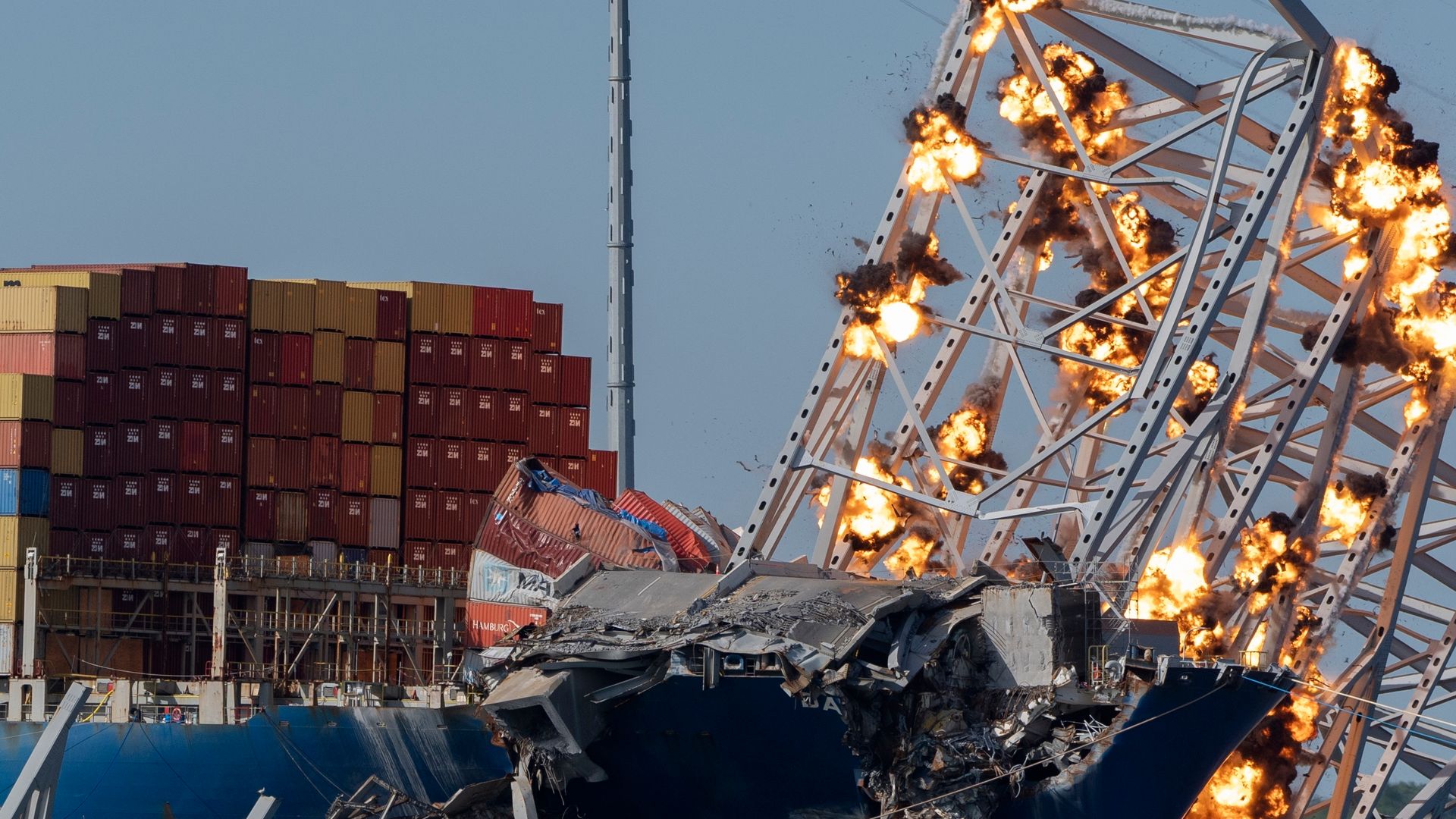
Researchers at Johns Hopkins University in Baltimore want to know how safe the bridges across major ports of entry in the United States truly are. The assessment comes in the wake of the deadly Francis Scott Key Bridge collapse in Baltimore on March 26.
Engineering experts noted that the Baltimore bridge had minimal protection and had not been updated for decades. However, it’s still being debated whether or not added protections would have prevented the disaster.

Download the SAN app today to stay up-to-date with Unbiased. Straight Facts™.
Point phone camera here
Federal investigators said that the Dali cargo ship that collided with the Baltimore bridge sailed right past a protective concrete piling before slamming into the bridge.
In a news release on Wednesday, May 29, the team of students and faculty stated that they are looking at whether other port bridges could face a similar fate as the one in Baltimore. Researchers want their findings to be used to prioritize the necessary investments in bridge infrastructure.
In an effort to find vulnerabilities in bridges, researchers will build models to see whether a collision with a large vessel could dismantle other bridges. Some engineering experts say that as ships have gotten much bigger, bridges in the U.S. have failed to adapt. The study by Johns Hopkins University aims to figure out what needs to change in terms of updating bridges for the 21st century.
The team of researchers will release their preliminary findings at the end of summer and a complete assessment will be finished in about a year.
Federal officials are also determining whether other critical bridges in the region needed added pier protection.
Meanwhile, a report released on Wednesday by the Maryland Chamber of Commerce revealed the economic impacts of the Baltimore bridge collapse and called for increased investment in infrastructure.
Plans to replace the Francis Scotty Key Bridge are underway. The total cost is expected to be in the range of $2 billion and is scheduled to be finished by 2028.
Cleanup crews have refloated the Dali involved in the crash in Baltimore. Officials say that they expect to have the main channel at the Port of Baltimore open by June 10.
Tags: Baltimore, Baltimore Bridge Collapse, Cargo ships, Infrastructure, Johns Hopkins, shipping containers, United States
[JACK AYLMER]
ARE BRIDGES AT U.S. PORTS SAFE?
THAT’S WHAT RESEARCHERS AT JOHNS HOPKINS UNIVERSITY WANT TO KNOW FOLLOWING THE DEADLY FRANCIS SCOTT KEY BRIDGE COLLAPSE IN LATE MARCH.
THEY WANT TO FIGURE OUT IF OTHER PORT BRIDGES COULD FACE A SIMILAR FATE.
THE TEAM OF FACULTY AND STUDENTS WANT THEIR RESEARCH TO BE USED TO PRIORITIZE NECESSARY INVESTMENTS IN INFRASTRUCTURE.
JOHNS HOPKINS IS LOOKING PARTICULARLY AT LARGE BRIDGES NEAR MAJOR PORTS OF ENTRY.
RESEARCHERS WILL BUILD MODELS TO SEE WHETHER A COLLISION WITH A LARGE VESSEL COULD DISMANTLE OTHER BRIDGES.
EXPERTS SAY AS SHIPS HAVE GOTTEN MUCH BIGGER, BRIDGES HAVE FAILED TO ADAPT. THIS STUDY IS LOOKING AT WHAT EXACTLY NEEDS TO CHANGE.
THE TEAM WILL RELEASE PRELIMINARY FINDINGS BY THE END OF SUMMER.
THESE RESEARCHERS AREN’T THE ONLY ONES LOOKING INTO BRIDGE SAFETY. FEDERAL OFFICIALS ARE DETERMINING WHETHER MORE PIER PROTECTION IS NEEDED FOR OTHER CRITICAL BRIDGES.
THE BALTIMORE BRIDGE HAD MINIMAL PIER PROTECTION AND HAD NOT BEEN UPDATED FOR DECADES. THOUGH, IT’S STILL UNKNOWN WHETHER ADDED PROTECTIONS WOULD HAVE PREVENTED THE DISASTER. INVESTIGATORS SAY THE SHIP THAT SLAMMED INTO THE BALTIMORE BRIDGE SAILED RIGHT PAST A PROTECTIVE CONCRETE PILING.
A REPORT WEDNESDAY BY THE MARYLAND CHAMBER OF COMMERCE REVEALED THE ECONOMIC IMPACTS OF THE COLLAPSE…. CALLING FOR INCREASED INVESTMENT IN INFRASTRUCTURE.
PLANS TO REPLACE THE FRANCIS SCOTT KEY BRIDGE ARE UNDERWAY.
IT’S EXPECTED TO COST TWO-BILLION DOLLARS AND BE FINISHED IN 2028.
OFFICIALS EXPECT THE MAIN CHANNEL AT THE PORT OF BALTIMORE TO REOPEN BY JUNE 10TH.
FOR MORE STORIES ON THE BALTIMORE BRIDGE COLLAPSE AND OTHER NEWS– DOWNLOAD THE STRAIGHT ARROW NEWS APP AND VISIT OUR WEBSITE– SAN-DOT-COM.
Media Landscape
See who else is reporting on this story and which side of the political spectrum they lean. To read other sources, click on the plus signs below.
Learn more about this dataLeft 18%
Center 82%
Right 0%
Bias Distribution
12 other sources covering this story
Total News Sources
12
Leaning Left
2
Center
9
Leaning Right
0
Last Updated
2 months ago
Bias Distribution Powered by Ground News™
MOST POPULAR
-
 AP Images
N. Korea hackers steal military secrets, hit Air Force bases, NASA, US says
-
 Getty Images
A convicted child rapist is competing in Paris Games, many want to know why
-
 AP
AP
Barack and Michelle Obama endorse Kamala Harris for president
-
 Reuters

Attacks disrupt trains ahead of Olympics opening ceremony