
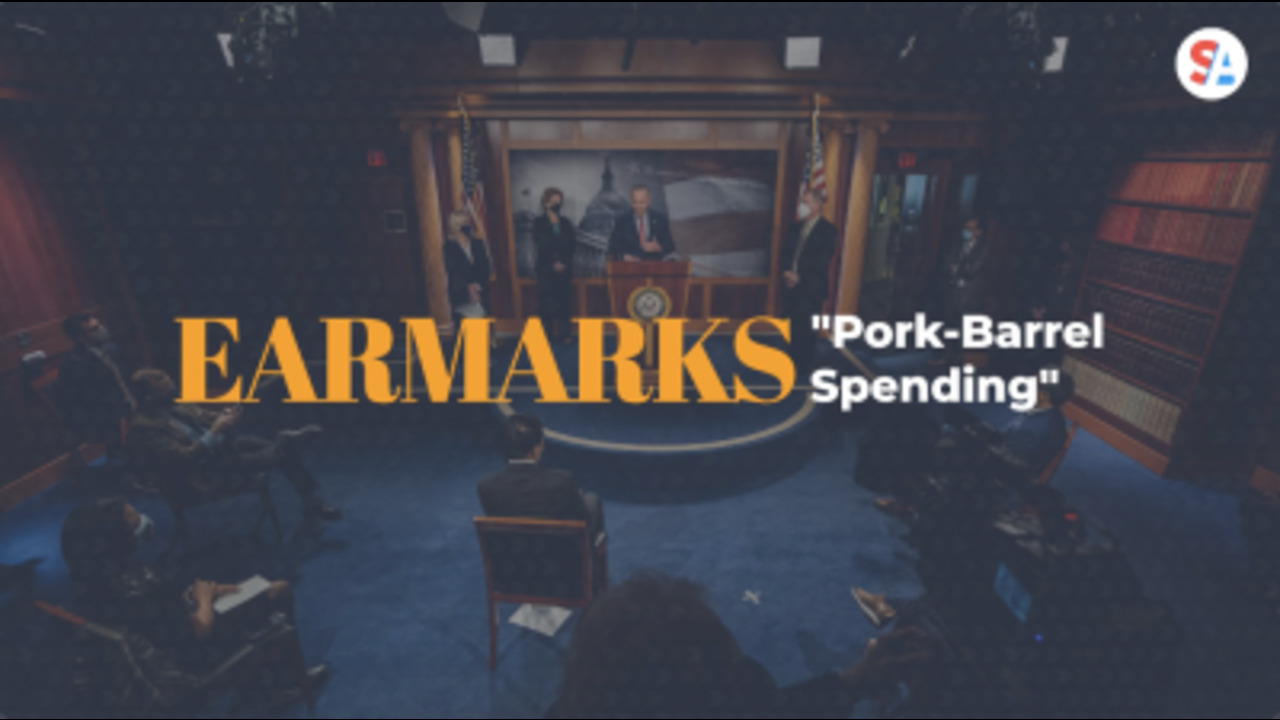

PORK IS BACK ON THE MENU. BUT NOT THAT KIND OF PORK–THIS KIND.
DONALD TRUMP: I HEAR SO MUCH ABOUT EARMARKS, THE OLD EARMARK SYSTEM HOW THERE WAS A GREAT FRIENDLINESS WHEN YOU HAD EARMARKS. MAYBE YOU SHOULD START BRINGING BACK A CONCEPT OF EARMARKS.
AND SO CONGRESS DID.
BUT IT’S NOT REPUBLICANS. IT’S DEMOCRATS WHO VOTED IT BACK FOR THE FIRST TIME SINCE 2011.
AN EARMARK IS A PROVISION ADDED TO A BILL. IT DESIGNATES FUNDING FOR A SPECIFIC PROJECT IN A CONGRESSPERSON’S HOME STATE.
IT’S OFTEN USED AS A POLITICAL BARGAINING CHIP — LIKE, YOU FUND MY PROJECT, AND I’LL VOTE ON YOUR BILL.
REPUBLICANS BANNED IT 10 YEARS AGO, CITING THESE 3 REASONS.
ONE. TO KEEP SPENDING UNDER CONTROL.
EARMARKS CAN INFLATE THE COST OF THE BILL.
TWO. SOME PROJECTS SEEMED….QUESTIONABLE.
LIKE HALF-A-MILLION DOLLARS EARMARKED FOR A TEAPOT MUSEUM IN SPARTA, NORTH CAROLINA.
AND THREE. THEY SAID IT WOULD HELP STOP CORRUPTION…
EXAMPLE, RANDY “DUKE” CUNNINGHAM.
THE FORMER CONGRESSMAN WAS FORCED TO RESIGN AND SPENT SEVEN YEARS IN PRISON FOR TAKING TWO-AND-A-HALF MILLION DOLLARS IN BRIBES FOR EARMARKED PROJECTS.
TOM SCHATZ IS PRESIDENT OF CITIZENS AGAINST GOVERNMENT WASTE, A WATCHDOG GROUP CRITICAL OF FEDERAL TAX SPENDING.
TOM SCHATZ: JUST BECAUSE THE COMMUNITY ASKS FOR IT DOESN’T MEAN THAT IT HAS MERIT. IN MOST CASES, THESE WOULD HAVE BEEN PROJECTS THAT WERE NOT PREVIOUSLY FUNDED BECAUSE THEY DIDN’T LIKELY MEET THE CRITERIA FOR THAT PARTICULAR PROJECT.
SO IF PORK REALLY ISN’T KOSHER, WHY BRING IT BACK?
DONALD TRUMP: ONE THING IT DID IS IT BROUGHT EVERYONE TOGETHER AND THE COUNTRY HAS TO BE BROUGHT TOGETHER.
YES, SUPPORTERS LIKE TRUMP AND DR. KEVIN KOSAR SAY YOU NEED EARMARKS BECAUSE, LIKE IT OR NOT, THAT’S HOW CONGRESS GETS THINGS DONE.
DR. KEVIN KOSAR: IN OUR SYSTEM, THE JOB OF A REPRESENTATIVE IS TO REPRESENT HIS OR HER DISTRICT, AND TO DO RIGHT BY IT, BECAUSE EVERYBODY IN THAT DISTRICT IS PUMPING MONEY INTO WASHINGTON, DC. AND SOME OF THAT NEEDS TO COME BACK. THAT’S JUST BASIC FAIRNESS.
SUPPORTERS ALSO SAY THE BAN NEVER STOPPED THE PORK—IT JUST MADE THE PROCESS MORE SECRETIVE.
INSTEAD OF EARMARKS GOING INTO EASY-TO-SEE LEGISLATION,
LEGISLATORS WENT DIRECTLY TO THE FEDERAL AGENCIES NOW CONTROLLING THE MONEY, TO GET IT.
BUT, THE NEW EARMARKING PROCESS IS MEANT TO BE MORE TRANSPARENT AND SECURE THIS TIME AROUND.
HERE’S HOW.
EACH LAWMAKER IS ALLOWED NO MORE THAN 10 REQUESTS.
AND THEY HAVE TO POST EACH ONE ON THEIR PUBLIC WEBSITE.
THEY ALSO HAVE TO DEMONSTRATE COMMUNITY SUPPORT.
THEY NEED TO SHOW THAT THE PEOPLE BACK HOME *WANT* THE PROJECT.
IT’S NOT JUST TO BENEFIT THE LAWMAKER.
THE MONEY CAN ALSO ONLY GO TO NON-PROFITS,
OR TO LOCAL OR STATE GOVERNMENTS.
AND, FINALLY, THE LAWMAKER REQUESTING THE FUNDING NEEDS TO SHOW THAT HE OR SHE WON’T BENEFIT FINANCIALLY FROM THE PROJECT…AND NEITHER WILL THEIR FAMILY.
NOW, IF YOU’RE WONDERING WHY MY PRODUCER SENT ME OUT HERE,
IT’S BECAUSE FARMERS MARK THEIR PIGS’ EARS TO CLEARLY SHOW OWNERSHIP.
THUS, THE TERM, “EARMARKING.”
AND THE TERM “PORK” SINCE LEGISLATORS MARK THE MONEY THEY PUT INTO A BILL SO VOTERS BACK HOME KNOW THEY ARE BRINGING BACK THE BACON.
AND WHILE I KEEP USING THE TERM “EARMARKS,” HOUSE DEMOCRATS ARE NOW REBRANDING THEM AS “COMMUNITY PROJECT FUNDING.”
WHICH OPPONENTS MIGHT SAY IS:
FAMILY GUY: JUST PUTTING LIPSTICK ON A PIG…THIS IS CALLED CRIMSON SKY WHAT DO YOU THINK?
SO, HOW DO YOU FEEL ABOUT THE NEW VERSION OF EARMARKS? DOES THE INCREASED TRANSPARENCY MAKE A DIFFERENCE? LET US KNOW IN THE COMMENTS.
MOST POPULAR
-
 Getty Images
Harvey Weinstein’s rape conviction overturned, victims could see new trial
-
 Getty Images
Pythons decimate Florida’s wildlife, is eating them the answer?
-
 Getty Images
Trump could lose Secret Service protection if found guilty
-
 AP Images
Argentina asks to join NATO as Milei looks to enhance security, strengthen ties