

Tags: Environmental Protection Agency, EPA, Forever Chemicals, per- and poly-fluoroalkyl substances, PFAS
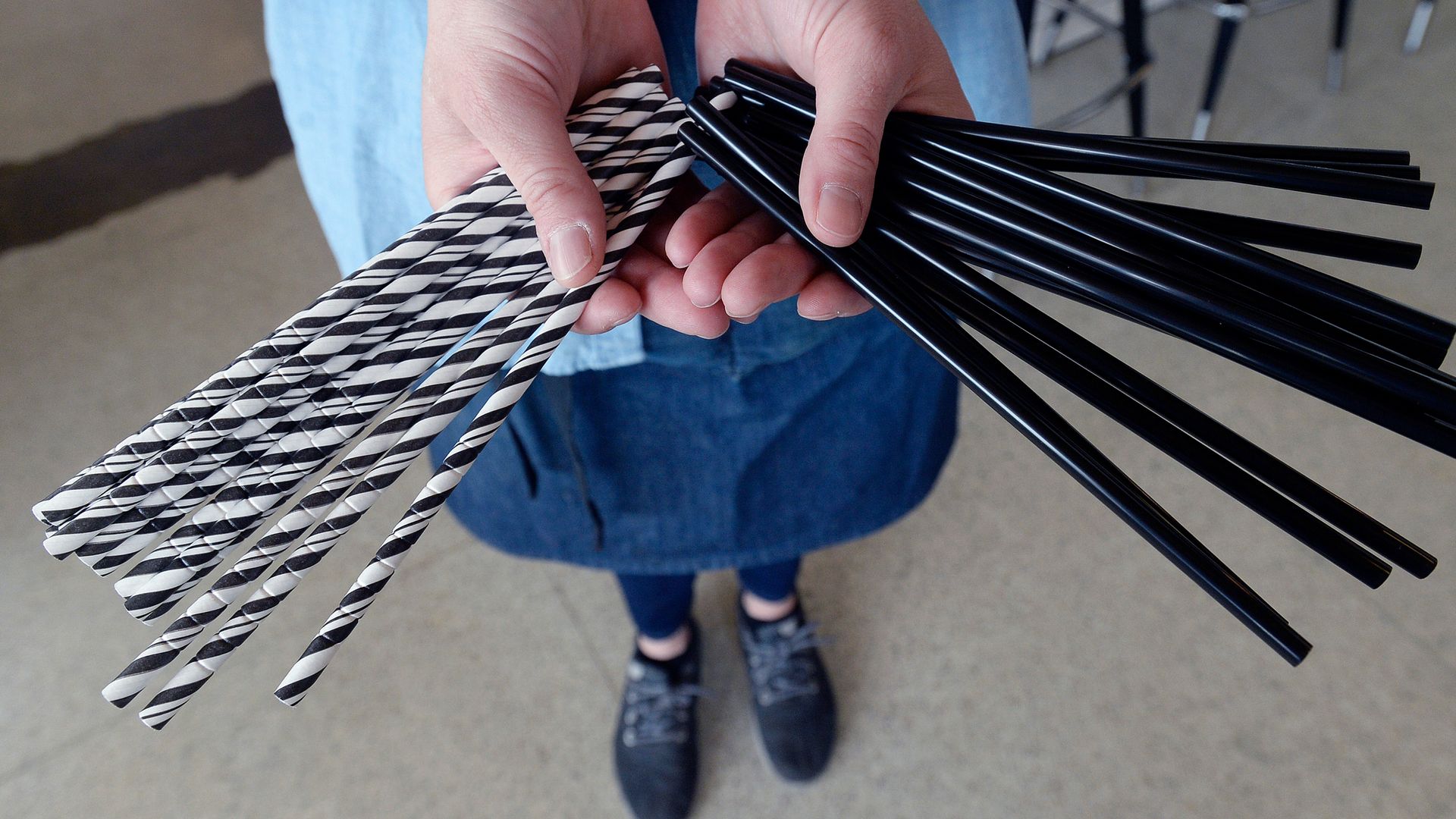
PAPER STRAWS ARE OFTEN USED IN PLACE OF PLASTIC ONES IN THE NAME OF BEING “ECO-FRIENDLY.”
BUT ACCORDING TO A NEW STUDY —
THAT MAY NOT BE THE CASE.
ACCORDING TO THE AUTHORS OF A NEW EUROPEAN STUDY —
PAPER STRAWS MAY CONTAIN WHAT ARE CALLED “FOREVER CHEMICALS” THAT CAN BE HARMFUL TO BOTH HUMANS AND THE ENVIRONMENT.
THOSE CHEMICALS WERE MORE OFTEN FOUND IN **PAPER STRAWS OVER PLASTIC STRAWS.
90 PERCENT OF PAPER STRAWS EXAMINED BY RESEARCHERS CONTAINED THE DANGEROUS CHEMICALS THAT REMAIN FOR THOUSANDS OF YEARS IN THE ENVIRONMENT AND ARE KNOWN TO CAUSE HEALTH ISSUES.
WHILE PAPER STRAWS WERE MORE OFTEN FOUND WITH FOREVER CHEMICALS —
75 PERCENT OF PLASTIC STRAWS TESTED **ALSO CAME UP “CONTAMINATED”.
STRAWS MADE UP OF “STEEL” WERE THE ONLY TYPE FOUND WITHOUT THE CHEMICALS PRESENT.

MOST POPULAR
-
 Getty Images
Harvey Weinstein’s rape conviction overturned, victims could see new trial
-
 Al-Qassam Brigades
Hamas video shows American hostage with arm amputated
-
 Getty Images
Pythons decimate Florida’s wildlife, is eating them the answer?
-
 Getty Images
Trump could lose Secret Service protection if found guilty