
SIMONE DEL ROSARIO:
WHEN WE THINK ABOUT MONOPOLIES WE GO RIGHT TO BIG TECH…. OR THE BOARD GAME. BUT IT’S COMPETITIVE SPORTS, SOMEHOW, THAT HAVE THE MOST ANTI-COMPETITIVE BUSINESS PRACTICES. THE RECENT ATHLETE BAN IN GOLF IS JUST THE TIP OF THE ICEBERG. LET’S GET INTO IT IN THIS WEEK’S FIVE FOR FRIDAY.
COMING IN AT NUMBER 5, UEFA AND FIFA, ARE NO STRANGERS TO CONTROVERSY FOR ACTING AS A CARTEL. LAST SPRING, THEY PUT THE KIBOSH ON A PROPOSED “SUPER LEAGUE,” WHERE SOME OF THE BEST TEAMS IN THE WORLD TRIED TO BREAK AWAY TO DO THEIR OWN THING. THE STRIKER WAS OFFSIDE THOUGH. TWO DAYS AFTER IT WAS OFFICIALLY ROLLED OUT, 9 OF THE 12 FOUNDING TEAMS ABANDONED THE VENTURE FOLLOWING ACCUSATIONS OF ELITISM FROM FANS. THE LAST THREE ARE TAKING UEFA TO COURT THIS SUMMER, BUT MORE THAN A DOZEN EU NATIONS ACTUALLY SUPPORT UEFA IN THE FIGHT.
WE CAN CALL THIS ONE NUMBER “FORE.” THE PGA’S STATUS AS A MONOPOLY CAME INTO FOCUS FOR SUSPENDING 17 GOLFERS FOR JOINING THE SAUDI ARABIA-FUNDED LIV TOUR. THEY’RE NOT NOBODIES EITHER, SIX-TIME MAJOR CHAMPION, THE “LEFTY” HIMSELF PHIL MICKELSON HEADLINES THAT LIST. THE PGA SAYS IT DENIED THE PLAYERS BID TO PLAY IN LIV – AND THEY DID IT ANYWAY – RESULTING IN THE SUSPENSIONS. YOU CAN STILL CATCH MICKELSON AT THE U-S OPEN, THOUGH, THAT’S A USGA EVENT.
NUMBER 3 IS A SPORT VERY CLOSE TO MY HEART. YEP, THAT’S ME. WE’RE TALKING ABOUT THE PROFESSIONAL RODEO COWBOYS ASSOCIATION. BACK IN 2015, SOME OF THE TOP COWBOYS IN THE WORLD TRIED TO “BUCK” THE PRCA, AND LAUNCHED ELITE RODEO ATHLETES, PROMISING BETTER MONEY AND A BETTER SCHEDULE. BUT, SIMILAR TO THE PGA THE OLD-GUARD PRCA BANNED ANYONE WITH FINANCIAL INTEREST IN A COMPETING ASSOCIATION FROM PARTICIPATING IN THEIR EVENTS. A JUDGE AGREED TO HEAR THE ERA’S ANTITRUST CASE, BUT THE FLEDGLING ORG FOLDED AFTER ONE SEASON, AND DOZENS OF COWBOYS RODE BACK TO THE PRCA.
NUMBER TWO IS THE MOST LUCRATIVE LEAGUE IN THE WORLD. NO WONDER THE NFL IS “HOLDING” ON TO THE SPORT. SURE WE’VE SEEN THE XFL AND USFL POP UP TO LITTLE COMPETITIVE SUCCESS, THE LATTER OF WHICH INVOLVED A FUTURE PRESIDENT IN ITS FIRST FAILED GO-ROUND IN THE 80S. THE NFL’S DEFENSE AGAINST IT BEING CALLED A MONOPOLY IS THAT IT IS A CARTEL OF 32 INDEPENDENT BUSINESSES UNDER ONE GOVERNING BODY. BUT IS THAT REALLY TRUE? IT DID HAVE TO SETTLE WITH COLIN KAEPERNICK, PAYING HIM MILLIONS, AFTER HE CLAIMED THE ENTIRE NFL COLLUDED TO KEEP HIM OFF ANY TEAM OVER HIS PROTESTING.
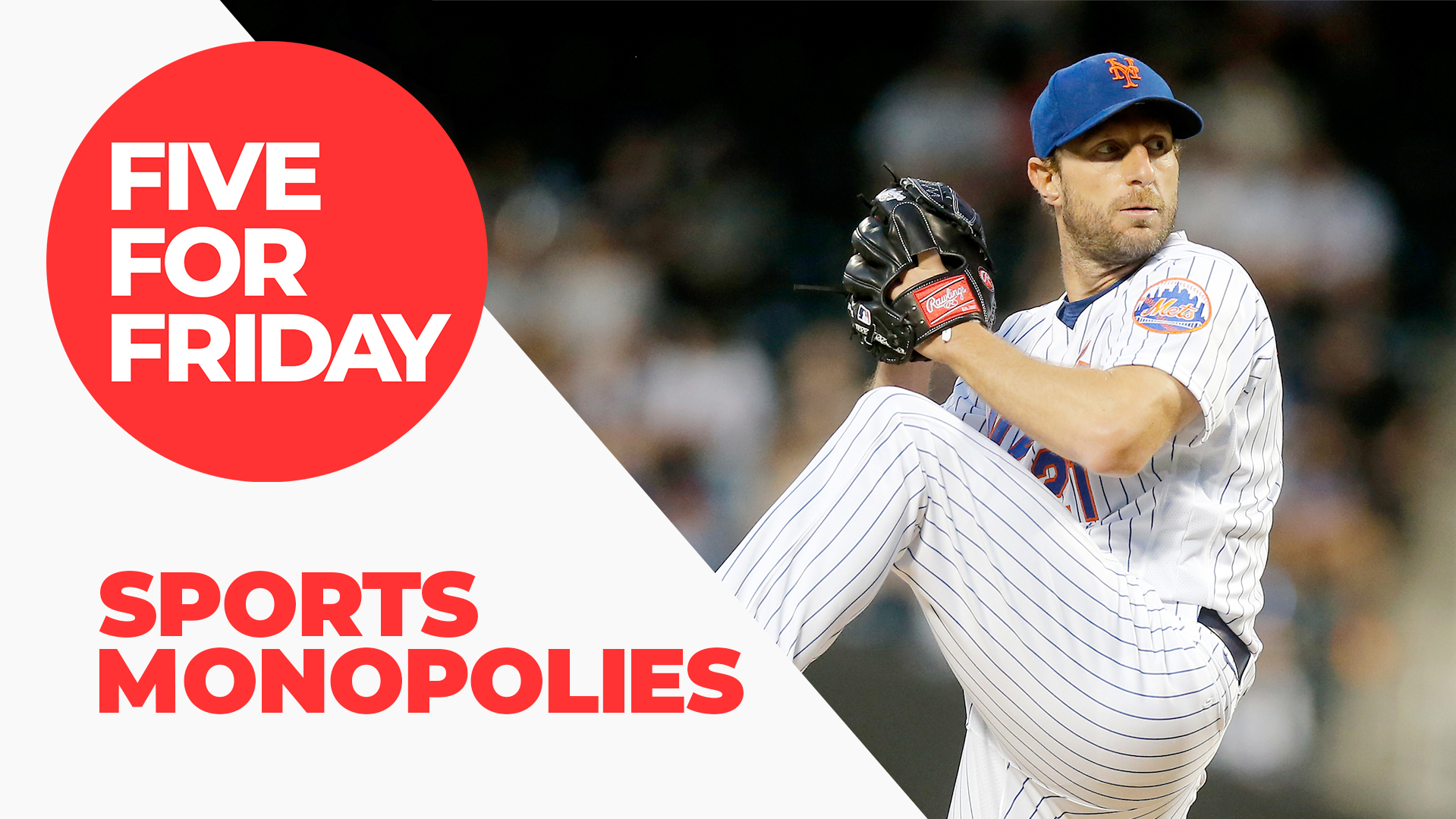
OUR TOP SPOT FOR SPORTS MONOPOLIES IS MAJOR LEAGUE BASEBALL – WHICH ACTUALLY HAS A CENTURY-LONG ANTITRUST EXEMPTION FROM CONGRESS… BASICALLY GIVING IT LICENSE TO BE A MONOPOLY. THAT MEANS IT CAN DO THINGS LIKE JACK UP TICKET PRICES AND KEEP SALARIES LOW. BEFORE YOU SAY “MAX SHERZER WILL MAKE $43 MILLION THIS SEASON”, I’LL POINT OUT, A TRIPLE A PLAYER MAKES AN AVERAGE OF $700 A WEEK. MAKES ABOUT 21 TIMES THAT PER PITCH. AFTER THE MOST RECENT LOCKOUT, SENATOR BERNIE SANDERS SAID IT’S TIME TO GET RID OF MLB’S EXEMPTION.
DON’T FEEL TOO BAD ABOUT TIPPING BACK THAT $14 DRAFT BEER AT THE GAME. IT’S HARD TO FIND A SUCCESSFUL LEAGUE THAT ISN’T SOME SORT OF MONOPOLY. THAT’S YOUR FIVE FOR FRIDAY. I’M SIMONE DEL ROSARIO FOR JUST BUSINESS. SEE YOU MONDAY!


VOTE WITH THE UNBIASED, STRAIGHT FACTS.™
We promise you context and clarity when it matters the most!

Straight to your inbox.
By entering your email, you agree to the Terms & Conditions and acknowledge the Privacy Policy.
MOST POPULAR
-
CNN faces defamation trial over Afghanistan evacuation report
-
 Getty Images
Self-driving vehicle company Waymo gets $5.6B to expand, despite challenges
-
 Getty Images
Massive fire at US base in South Korea extinguished after 19 hours
-
 Getty Images
Federal judge orders Virginia to restore more than 1,600 voter registrations