
U.S.
Idaho moves to expand cannibalism ban over human composting concerns
Media Landscape
See who else is reporting on this story and which side of the political spectrum they lean. To read other sources, click on the plus signs below.
Learn more about this dataLeft 40%
Center 50%
Right 10%
Bias Distribution Powered by Ground News™
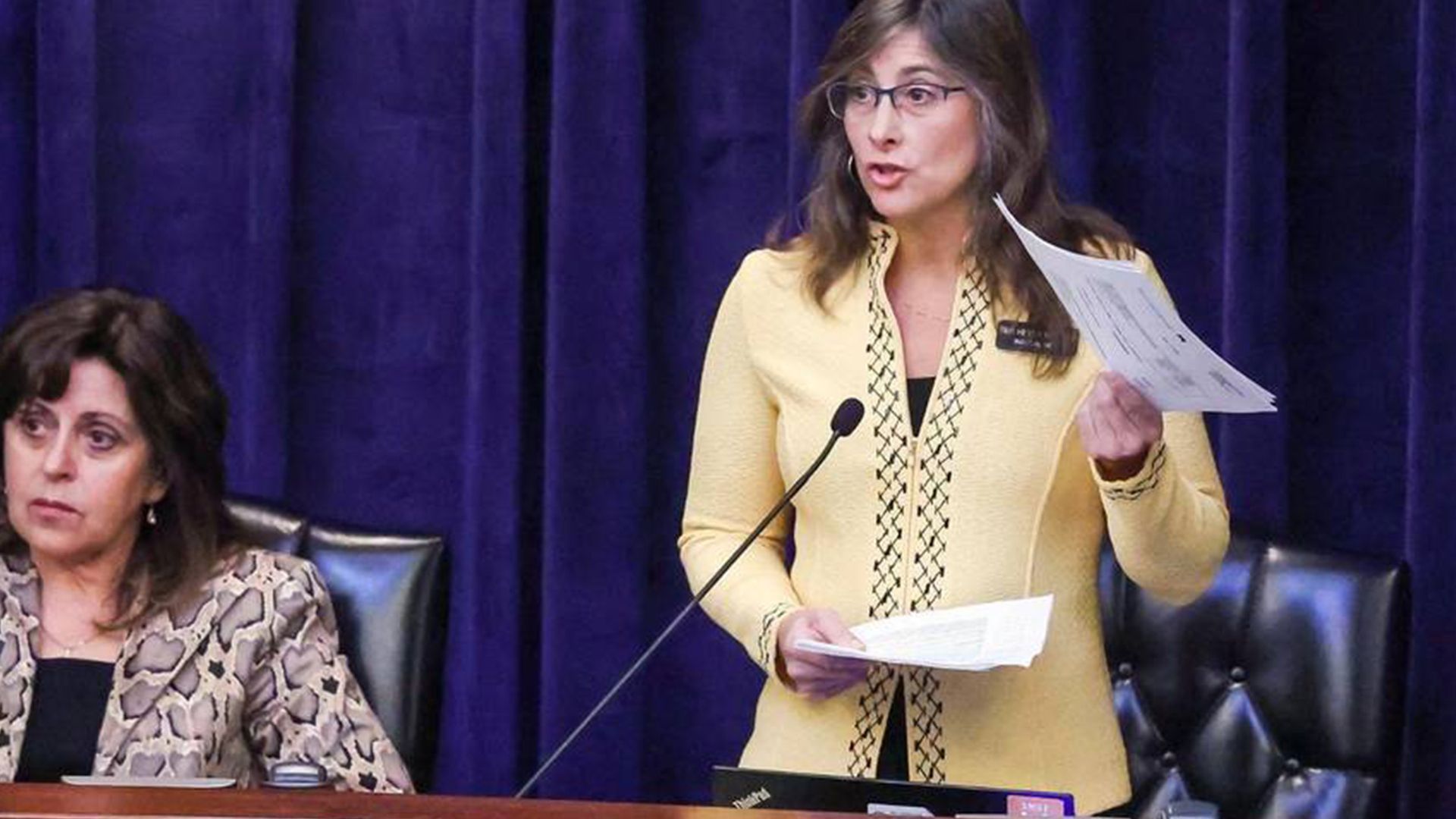
Natural organic reduction, or human composting, a practice meant to turn bodies into fertile soil, is sparking talks of further cannibalism bans in the Idaho Legislature. Rep. Heather Scott, R-Blanchard, moved to expand cannibalism laws in the state over her human composting concerns.
Idaho already has laws on the books banning cannibalism. The law, passed in 1990, makes Idaho the only state in the U.S. to outright ban cannibalism. But Rep. Scott said the law needs to go further to include anyone who “willfully provides flesh and blood to another person to ingest” without their knowledge or consent.

Download the SAN app today to stay up-to-date with Unbiased. Straight Facts™.
Point phone camera here
Scott said her campaign to expand the law came after seeing an episode of David Spade’s prank show “Fameless” where a chef pretended to use human flesh as an ingredient in the sausage he fed to contestants.
Scott added that her other concern is human composting, a practice legal in several states, including Idaho’s neighbor Washington, which was the first state to legalize the practice in 2019.
“I wanted to address this because what I didn’t want to see is bags of compost with human bone fragments,” Scott said.
Human composting is a natural process that turns human bodies into nutrient-rich soil.
Similar to composting food scraps, advocates said, human composting provides a more sustainable alternative to death care than traditional burials and cremations and reduces a person’s carbon footprint.
According to the Green Burial Council Inc., in the United States, 1.74 billion pounds of carbon dioxide are emitted into the air every year due to cremations. Still, critics like Scott said they don’t want human remains in their food supply.
According to advocates, what is left after the composting process is one cubic yard of soil, which is offered back to the family of the deceased. Despite the controversy, more states are considering the greener end-to-life alternative. A bill in Delaware to allow human composting passed in the House and is now moving to the Senate.
[KARAH RUCKER]
HUMAN COMPOSTING. THAT’S RIGHT, TURNING CORPSES INTO FERTILE SOIL, IS SPARKING NEW TALKS OF CANNIBALISM BANS IN ONE STATE LEGISLATURE.
THE PROCESS KNOWN AS NATURAL ORGANIC REDUCTION HAS A STATE REPRESENTATIVE IN IDAHO MOVING TO EXPAND CANNIBALISM LAWS .
Rep. Heather Scott – R-Blanchard: “R.S. 31078, CANNIBALISM, AND I KNOW THAT THIS SEEMS LIKE A, IT IS A HEAVY TOPIC ACTUALLY IT MIGHT SEEM KIND OF GRUESOME, AND IT KIND OF IS.”
[KARAH RUCKER]
IDAHO IS THE ONLY STATE IN THE U-S WITH AN OUTRIGHT BAN ON CANNIBALISM.
BUT STATE REP. HEATHER SCOTT SAYS THE LAW NEEDS TO GO FURTHER TO INCLUDE ANYONE WHO “WILFULLY PROVIDES FLESH AND BLOOD TO ANOTHER PERSON TO INGEST” WITHOUT THEIR KNOWLEDGE OR CONSENT.
SCOTT SAYS HER CAMPAIGN TO EXPAND THE LAW CAME AFTER SEEING THIS EPISODE OF DAVID SPADE’S PRANK SHOW “FAMELESS” – WHICH AIRED ON TRUTV 8 YEARS AGO
“FAMELESS” CHEF: “THE THREE SECRET INGREDIENTS THAT MIGHT BE FOUND IN THE SAUSAGE ARE FISH LIVER, HUMAN FLESH, OR SHARK…”
[KARAH RUCKER]
SCOTT ADDING THAT HER OTHER CONCERN, ALBEIT MORE REAL THAN THE PRANK SHOW, IS HUMAN COMPOSTING.
THE PRACTICE IS LEGAL IN SEVEN STATES INCLUDING IDAHO’S NEIGHBOR WASHINGTON, WHICH WAS THE FIRST STATE TO LEGALIZE IT IN 20-19.
Rep. Heather Scott – R-Blanchard: “I WANTED TO ADDRESS THIS BECAUSE WHAT I DIDNT WANT TO SEE IS BAGS OF COMPOST WITH HUMAN BONE FRAGMENTS.”
[KARAH RUCKER]
HUMAN COMPOSTING IS A NATURAL PROCESS THAT TURNS HUMAN BODIES INTO NUTRIENT RICH SOIL.
MICAH TRUMAN – RETURN HOME FOUNDER & CEO: “THE MICROBES IN OUR BODY, THE THINGS THAT DIGEST THE FOOD WE EAT ARE HEARD WIRED TO TRANSFORM US BACK TO EARTH.”
[KARAH RUCKER]
SIMILAR TO COMPOSTING FOOD SCRAPS, ADVOCATES SAY, HUMAN COMPOSTING PROVIDES A MORE SUSTAINABLE ALTERNATIVE TO DEATH CARE THAN TRADITIONAL BURIALS AND CREMATIONS AND REDUCE A PERSON’S CARBON FOOTPRINT.
ACCORDING TO THE GREEN BURIAL COUNCIL, IN THE UNITED STATES, 1.74 BILLION POUNDS OF CARBON DIOXIDE ARE EMITTED INTO THE AIR DUE TO CREMATIONS EVERY YEAR.
STILL CRITICS, LIKE STATE REPRESENTATIVE SCOTT SAY THEY DON’T WANT HUMAN REMAINS IN THEIR FOOD SUPPLY.
ACCORDING TO ADVOCATES, WHAT IS LEFT AFTER THE COMPOSTING PROCESS IS 1 CUBIC YARD OF SOIL, WHICH IS OFFERED BACK TO THE FAMILY OF THE DECEASED.
DESPITE THE CONTROVERSY, MORE STATES ARE CONSIDERING THE GREENER END-TO-LIFE ALTERNATIVE.
A BILL IN DELAWARE TO ALLOW HUMAM COMPOSTING PASSED THE STATE’S HOUSE AND NOW MOVES TO NOW MUST THE SENATE.
Media Landscape
See who else is reporting on this story and which side of the political spectrum they lean. To read other sources, click on the plus signs below.
Learn more about this dataLeft 40%
Center 50%
Right 10%
Bias Distribution
10 other sources covering this story
Total News Sources
10
Leaning Left
4
Center
5
Leaning Right
1
Last Updated
6 months ago
Bias Distribution Powered by Ground News™
MOST POPULAR
-
 AP Images
N. Korea hackers steal military secrets, hit Air Force bases, NASA, US says
-
 Getty Images
A convicted child rapist is competing in Paris Games, many want to know why
-
 Reuters

Attacks disrupt trains ahead of Olympics opening ceremony
-
 Getty Images
Philly workers furious over mayor’s order that they return to their offices