
Business
Latest consumer price inflation is smallest increase in nearly 2 years
Media Landscape
This story is a Media Miss by the right as only 14% of the coverage is from right leaning media.
Learn more about this dataLeft 38%
Center 48%
Right 14%
Bias Distribution Powered by Ground News™
Tags: Bureau of Labor Statistics, Consumer Price Index, Energy, Federal Reserve, Gas prices, Inflation, U.S. Economy
IT’S THE LOWEST CONSUMER PRICE INFLATION IN NEARLY TWO YEARS.
THIS MORNING’S REPORT HAS THE HEADLINE CPI UP 5% ON THE YEAR FOR MARCH. THE LAST TIME IT WAS BELOW THAT MARK WAS MAY 2021.
OVER THE MONTH OF MARCH, PRICES EDGED UP JUST 0.1%.
IF WE LOOK AT CORE CPI – THAT STRIPS OUT MORE VOLATILE FOOD AND ENERGY, THAT’S HIGHER THAN THE HEADLINE AT A 5.6% ANNUAL RISE,
AND UP 0.4% FOR THE MONTH. THOSE TWO FIGURES ARE COMING IN EXACTLY AS EXPECTED.
LET’S GET INTO THE DETAILS. FIRST, WHAT’S HELPING DRAG DOWN THAT HEADLINE NUMBER. THE OVERALL FOOD INDEX WAS FLAT FOR MARCH.
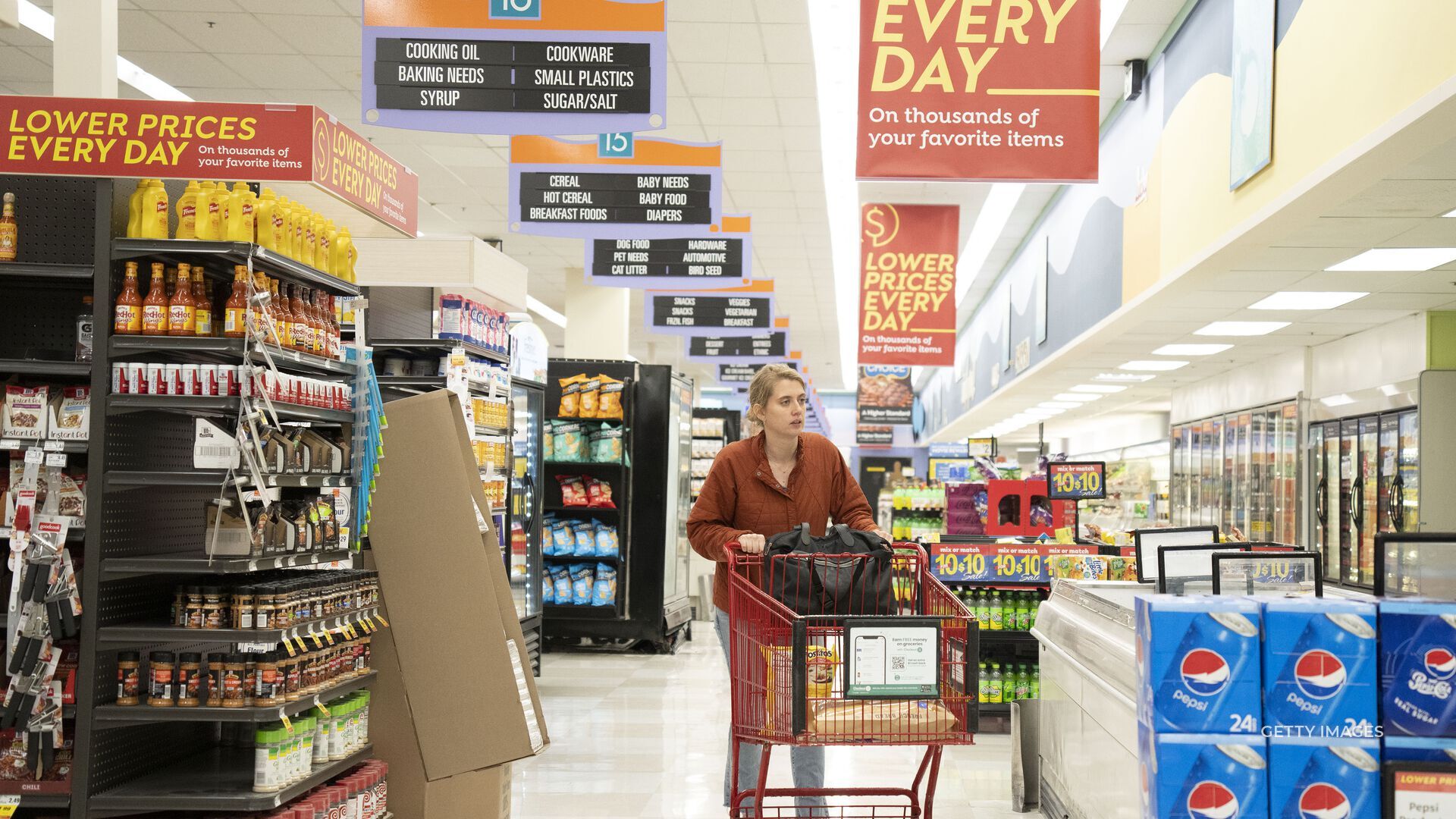
WHILE GROCERIES FELL 0.3% ON THE MONTH, THE FIRST DECLINE IN THAT INDEX SINCE SEPTEMBER 2020.
A BIG DRIVER OF THAT, EGGS ARE DOWN NEARLY 11% ON THE MONTH.
THE OTHER PART OF THIS EQUATION IS ENERGY PRICES, THE INDEX FALLING 3.5% ON THE MONTH AND 6.4% ON THE YEAR.
NOW LET’S TAKE A PEEK AT WHAT’S KEEPING CORE PRICES HIGHER.
THE DOMINANT DRIVER HERE IS SHELTER. IT’S UP 0.6% ON THE MONTH AND 8.2% ON THE YEAR.
THAT ACCOUNTS FOR 60% OF THE TOTAL INCREASE IN CORE CPI.
TRANSPORTATION SERVICES ARE ALSO UP 13.9% ON THE YEAR. THAT INCLUDES THINGS LIKE CAR INSURANCE, WHICH IS UP 15%.
I’M SIMONE DEL ROSARIO AND IT’S JUST BUSINESS.
Media Landscape
This story is a Media Miss by the right as only 14% of the coverage is from right leaning media.
Learn more about this dataLeft 38%
Center 48%
Right 14%
Bias Distribution
117 other sources covering this story
Total News Sources
117
Leaning Left
31
Center
39
Leaning Right
11
Last Updated
1 year ago
Bias Distribution Powered by Ground News™
MOST POPULAR
-
 Getty Images
Harvey Weinstein’s rape conviction overturned, victims could see new trial
-
 Getty Images
Pythons decimate Florida’s wildlife, is eating them the answer?
-
 Getty Images
Trump could lose Secret Service protection if found guilty
-
 AP Images
Argentina asks to join NATO as Milei looks to enhance security, strengthen ties