

Business
Top 3 takeaways from JPMorgan Chase’s First Republic Bank acquisition
By Simone Del Rosario (Business Correspondent), Brent Jabbour (Producer), Emma Stoltzfus (Editor)
Media Landscape
This story is a Media Miss by the right as only 22% of the coverage is from right leaning media.
Learn more about this dataLeft 29%
Center 49%
Right 22%
Bias Distribution
Regulators Seize First Republic Bank, Sell To JPMorgan Chase
Click to see story on HuffPost
US regulators seize California’s First Republic in latest banking failure
Click to see story on Raw Story
First Republic Bank is taken over by FDIC and sold to JPMorgan
Click to see story on MSNBC
First Republic Sold to JPMorgan Chase as Regulators Step In
Click to see story on The Daily Beast
How the Second-Biggest Bank Failure in History Happened
Click to see story on Slate
Click to close
US banking titan JP Morgan to snap up most of First Republic
Click to see story on The Guardian
Regulators seize First Republic Bank, sell to JPMorgan Chase
Click to see story on The Hindu
JPMorgan Chase to buy distressed First Republic Bank in deal brokered by U.S. regulator
Click to see story on CBC News
First Republic Bank seized by US regulators and sold to JP Morgan Chase
Click to see story on The Independent
US Regulators Seize Troubled First Republic Bank, JPMorgan To Acquire It
Click to see story on NDTV
First Republic Bank seized, sold to JPMorgan Chase: Here’s what to know
Click to see story on USA Today
California regulators seize First Republic Bank; JP Morgan Chase is taking over all deposits and most assets
Click to see story on Associated Press News
JPMorgan Chase to assume all deposits of First Republic Bank
Click to see story on abc News
JPMorgan Chase comprará la mayoría de los activos del First Republic Bank tras su colapso en marzo
Click to see story on CNN
JPMorgan buys First Republic Bank after bank seized by regulators
Click to see story on Sydney Morning Herald
What to know about First Republic and the banking crisis
Click to see story on The Washington Post
Troubled First Republic Bank seized and sold to JPMorgan Chase
Click to see story on CBS News
US authorities ‘auction’ First Republic Bank to JPMorgan after second biggest bank failure in history
Click to see story on ABC Australia
US regulator seizes First Republic Bank, to sell assets to JP Morgan
Click to see story on Indian Express
First Republic Bank seized, sold to JPMorgan Chase
Click to see story on NY Daily News
Regulators seize First Republic Bank, sell to JPMorgan Chase
Click to see story on Los Angeles Times
JPMorgan Chase to take over deposits and most of the assets of First Republic Bank
Click to see story on npr
JPMorgan Ends First Republic’s Turmoil After FDIC Seizure
Click to see story on Bloomberg
JP Morgan acquires First Republic Bank
Click to see story on Sueddeutsche Zeitung
First Republic Bank seized, sold to JPMorgan Chase
Click to see story on The Mercury news
JPMorgan is buying First Republic Bank after it was taken over by regulators
Click to see story on Business Insider
FDIC accepts JPMorgan Chase Bank’s purchase of First Republic Bank
Click to see story on abc 6 Philadelphia
FDIC accepts JPMorgan Chase Bank’s purchase of First Republic Bank
Click to see story on abc 13 Houston
El regulador financiero de California toma posesión del First Republic Bank
Click to see story on Infobae
California regulators seize troubled First Republic Bank
Click to see story on Irish Examiner
First Republic Bank is taken over by FDIC and sold to JPMorgan in third major bank failure of 2023
Click to see story on NBC News
First Republic Bank is safe: Jp Morgan buys it
Click to see story on La Repubblica
JPMorgan Chase to take over most assets of First Republic Bank
Click to see story on abc 7 News
FDIC accepts JPMorgan Chase Bank’s purchase of First Republic Bank
Click to see story on abc11 Raleigh
FDIC accepts JPMorgan Chase Bank’s purchase of First Republic Bank
Click to see story on abc30 News
First Republic Bank seized, sold to JPMorgan Chase
Click to see story on Japan Today
First Republic Bank seized and sold to JPMorgan Chase
Click to see story on Bangor Daily News
Regulators Seize First Republic Bank, Sell to JPMorgan Chase in Third Major Bank Failure of 2023
Click to see story on NBC Chicago
Regulators seize First Republic Bank, sell to JPMorgan Chase
Click to see story on WHDH
First Republic Bank seized, sold in fire sale to JPMorgan
Click to see story on Alaska Highway News
JPMorgan buys First Republic Bank after being intervened by US authorities
Click to see story on El Pais
Regulators seize First Republic Bank, sell to JPMorgan Chase
Click to see story on Koco News5
The road to First Republic Bank’s collapse
Click to see story on Inquirer
Bankenkrise: First Republic Bank wird an JPMorgan verkauft
Click to see story on Zeit Online
JPMorgan buys First Republic Bank sale: What you need to know
Click to see story on Politico
First Republic Bank Seized, Sold to JP Morgan. What It Means for Mass. Customers
Click to see story on NBC Boston
Regulators seize First Republic Bank, sell to JPMorgan Chase
Click to see story on WISH-TV
WATCH LIVE: White House holds briefing as First Republic Bank seized by regulators
Click to see story on PBS NewsHour
First Republic Bank seized, sold in fire sale to JPMorgan
Click to see story on Times Colonist
US seizes assets of First Republic Bank, third to collapse in 2 months
Click to see story on The Times of Israel
First Republic Bank seized, sold to JPMorgan Chase
Click to see story on Lakeland Today
First Republic Bank seized, sold to JPMorgan Chase
Click to see story on Airdrie Today
First Republic Bank seized, sold in fire sale to JPMorgan
Click to see story on Mountainview Today
First Republic Bank seized, sold in fire sale to JPMorgan
Click to see story on Town And Country Today
Regulators seize First Republic Bank, sell to JPMorgan Chase
Click to see story on Burnaby Now
Regulators seize First Republic Bank, sell to JPMorgan Chase
Click to see story on WSVN
First Republic Bank seized, sold to JPMorgan Chase
Click to see story on Delta Optimist
Regulators seize First Republic Bank, sell to JPMorgan Chase
Click to see story on Coast Reporter
First Republic Bank seized, sold to JPMorgan Chase
Click to see story on Salt Lake Tribune
First Republic Bank Seized by Regulators and Sold to JPMorgan Chase
Click to see story on Time Magazine
First Republic Bank seized, sold to JPMorgan Chase
Click to see story on SooToday.com
First Republic Bank seized, sold to JPMorgan Chase
Click to see story on Barrie Today
First Republic Bank seized, sold to JPMorgan Chase; ‘zero leads’ in Texas manhunt; Met Gala mania is here; and more morning headlines
Click to see story on Arizona Daily Sun
First Republic Bank seized, sold in fire sale to JPMorgan
Click to see story on News & Record
Regulators seize First Republic Bank, with JPMorgan Chase acquiring it
Click to see story on AM New York
(S+) First Republic Bank: JP Morgan Chase acquires bankruptcy bank
Click to see story on Spiegel
Another bank goes down: First Republic Bank seized, sold to JPMorgan Chase
Click to see story on The Delaware County Daily Times
Regulators seize First Republic Bank, sell JPMorgan ‘substantially all’ remaining assets
Click to see story on The Week
First Republic Bank seized, sold to JPMorgan Chase
Click to see story on WCSH
US First Republic Bank also falls, is held by JP Morgan
Click to see story on NRC Handelsblad
First Republic Bank seized, sold to JPMorgan Chase
Click to see story on unionrecorder.com
JP Morgan taking over First Republic after its collapse
Click to see story on scrippsnews.com
Click to close
First Republic: JP Morgan snaps up major US bank
Click to see story on BBC News
Regulators seize First Republic Bank, sell assets to JPMorgan
Click to see story on Reuters
JP Morgan set to acquire assets of First Republic Bank after its closure
Click to see story on Hindustan Times
Regulators sell First Republic to JPMorgan Chase
Click to see story on NZ Herald
JPMorgan Chase Takes Over First Republic After Biggest U.S. Bank Failure Since 2008
Click to see story on CNBC
US regulators seize First Republic Bank and sell it to JPMorgan Chase
Click to see story on South China Morning Post
First Republic Bank seized, sold to JPMorgan Chase
Click to see story on KRDO
JPMorgan Chase to buy most First Republic assets after bank fails
Click to see story on KIFI
JPMorgan wins government auction to buy seized First Republic Bank
Click to see story on Channel News Asia
Deal reached to sell ailing First Republic to JP Morgan
Click to see story on RTÉ
JP Morgan’s acquisition of First Republic may put it among the top banks in Mass.
Click to see story on The Business Journals
JPMorgan to acquire San Francisco-based bank First Republic as US regulators announce deal
Click to see story on WION
Regulators seize First Republic Bank, sell to JPMorgan Chase
Click to see story on Star Advertiser
U.S. Regulator Seizes First Republic Bank, to Sell Assets to JP Morgan
Click to see story on VOA News
First Republic Bank seized, sold to JPMorgan Chase
Click to see story on Winnipeg Free Press
First Republic Bank seized by regulators, sold to JPMorgan Chase
Click to see story on UPI
JPMorgan to buy First Republic Bank as regulators seize control
Click to see story on Al Jazeera
FDIC accepts JPMorgan Chase Bank’s purchase of First Republic Bank
Click to see story on abc 7 Chicago
Regulators seize First Republic Bank, sell to JPMorgan Chase
Click to see story on KCRA 3
FDIC accepts JPMorgan Chase Bank’s purchase of First Republic Bank
Click to see story on abc 7 LA
FDIC accepts JPMorgan Chase Bank’s purchase of First Republic Bank
Click to see story on abc 7 NY
First Republic Bank shuts down, JP Morgan to take over assets
Click to see story on Live Mint
US regulator seizes First Republic Bank, sells to JPMorgan – DW – 05/01/2023
Click to see story on Deutsche Welle
First Republic Bank Folds As Banking Crisis Claims Third Victim – PNC Finl Servs Gr (NYSE:PNC), First Republic Bank (NYSE:FRC), JPMorgan Chase (NYSE:JPM)
Click to see story on Benzinga
First Republic Bank seized, sold to JPMorgan Chase
Click to see story on Chicago Tribune
First Republic Bank seized, sold to JPMorgan Chase
Click to see story on Portland Press Herald
Regulators seize First Republic Bank, sell to JPMorgan Chase
Click to see story on WCVB
First Republic Bank seized, sold to JPMorgan Chase
Click to see story on Las Vegas Review-Journal
US regulators seize California’s First Republic in latest banking failure
Click to see story on France24
Regulators seize First Republic Bank, sell to JPMorgan Chase
Click to see story on WLWT
Regulators seize First Republic Bank, sell to JPMorgan Chase
Click to see story on WMUR
First Republic Bank saved by JP Morgan: acquisition of assets worth 229 billion
Click to see story on Corriere Della Sera
Regulators seize First Republic Bank, sell to JPMorgan Chase
Click to see story on WLKY
Regulators close First Republic Bank, JPMorgan named as the buyer of $330B assets and deposits, FDIC on the hook for $13B
Click to see story on TechCrunch
JPMorgan to take over First Republic after regional bank was closed
Click to see story on MarketWatch
Regulators seize First Republic Bank, sell to JPMorgan Chase
Click to see story on WESH
Regulators seize First Republic Bank
Click to see story on Taipei Times
Salvataggio per First Republic Bank, l’acquisirà JpMorgan
Click to see story on ANSA
JPMorgan Chase Agrees To Acquire First Republic Bank’s Deposits After FDIC Intervenes
Click to see story on Forbes
Regulators seize First Republic Bank, sell to JPMorgan Chase
Click to see story on WDSU
First Republic Bank seized, sold to JPMorgan Chase
Click to see story on The Detroit News
Regulators seize First Republic Bank, sell to JPMorgan Chase
Click to see story on WTAE
Regulators seize First Republic Bank, sell to JPMorgan Chase
Click to see story on KETV
Regulators seize First Republic Bank, sell to JPMorgan Chase
Click to see story on WYFF
Regulators seize First Republic Bank, sell to JPMorgan Chase
Click to see story on KCCI
Regulators seize First Republic Bank, sell to JPMorgan Chase
Click to see story on KSAT 12
Regulators seize First Republic Bank, sell to JPMorgan Chase
Click to see story on KMBC
California regulators seize First Republic Bank; JP Morgan Chase is taking over all deposits and most assets
Click to see story on Washington Top News
Regulators seize First Republic Bank, sell to JPMorgan Chase
Click to see story on WBAL-TV
First Republic Bank seized, sold in fire sale to JPMorgan
Click to see story on The Billings Gazette
Regulators seize First Republic Bank, sell to JPMorgan Chase
Click to see story on WISN
First Republic Bank seized, sold in fire sale to JPMorgan
Click to see story on Lincoln Journal Star
Regulators seize First Republic Bank, sell to JPMorgan Chase
Click to see story on WPTZ
Regulators seize First Republic Bank, sell to JPMorgan Chase
Click to see story on WMTW
Regulators seize First Republic in 3rd major U.S. bank failure in 2 months
Click to see story on Deseret News
Regulators seize First Republic Bank, sell to JPMorgan Chase
Click to see story on WVTM
Regulators seize First Republic Bank, sell to JPMorgan Chase
Click to see story on WAPT
First Republic Bank acquired by JPMorgan after being seized by American authorities
Click to see story on La Libre
First Republic Bank seized, sold in fire sale to JPMorgan
Click to see story on Missoulian
First Republic Bank seized, sold in fire sale to JPMorgan
Click to see story on Tulsa World
Regulators seize First Republic Bank, sell to JPMorgan Chase
Click to see story on KOAT
First Republic Bank seized, sold in fire sale to JPMorgan
Click to see story on Helena Independent Record
First Republic Bank seized by feds, sold to JPMorgan Chase
Click to see story on The Oregonian
First Republic Bank seized, sold to JPMorgan Chase
Click to see story on WRIC
First Republic Bank seized, sold in fire sale to JPMorgan
Click to see story on Montana Standard
First Republic Bank seized, sold to JPMorgan Chase
Click to see story on Sask Today
First Republic seized by regulators as bid accepted from JP Morgan
Click to see story on The National
Regulators seize First Republic Bank, sell to JPMorgan Chase
Click to see story on WPRI 12
First Republic Bank seized, sold to JPMorgan Chase
Click to see story on NY1
JP Morgan buys First Republic Bank
Click to see story on Le Soir
Regulators seize First Republic Bank, sell to JPMorgan Chase
Click to see story on ABC6
First Republic Bank seized, sold to JPMorgan Chase
Click to see story on Penn Live
Another bank falls in the US: Regulator seizes First Republic Bank and hands it over to JPMorgan
Click to see story on El Financiero
Regulators seize First Republic Bank, sell to JPMorgan Chase
Click to see story on Syracuse NY
JP Morgan Chase acquires US bank First Republic
Click to see story on Tagesschau
First Republic Bank seized, sold to JPMorgan Chase
Click to see story on WFAA 8abc
Regulators seize First Republic Bank, sell to JPMorgan Chase
Click to see story on KCRG
First Republic Bank seized, sold to JPMorgan Chase
Click to see story on First Coast
JP Morgan takes over First Republic, the third largest US bank to collapse in recent months
Click to see story on Digi 24
California regulators seize First Republic Bank; JP Morgan Chase is taking over all deposits and most assets
Click to see story on KOB 4
California’s First Republic Bank Sold to JPMorgan in 2nd-Largest U.S. Bank Failure
Click to see story on Times of San Diego
First Republic Bank seized, sold in fire sale to JPMorgan
Click to see story on Tucson
Regulators seize First Republic Bank, sell to JPMorgan Chase
Click to see story on WFSB
Regulators seize First Republic Bank, sell to JPMorgan Chase
Click to see story on Devdiscourse
First Republic Bank seized, sold to JPMorgan Chase
Click to see story on Staten Island Advance
Regulator seized First Republic bank
Click to see story on 24ur.com
First Republic Bank seized, sold in fire sale to JPMorgan
Click to see story on The Sentinel
First Republic Bank seized, sold to JPMorgan Chase
Click to see story on KTSM
First Republic Bank seized, sold in fire sale to JPMorgan
Click to see story on Omaha World-Herald
Regulators seize First Republic Bank, sell to JPMorgan Chase
Click to see story on WPBF
First Republic Bank seized, sold to JPMorgan Chase
Click to see story on WTNH
First Republic Bank seized, sold to JPMorgan Chase; ‘zero leads’ in Texas manhunt; Met Gala mania is here; and more morning headlines
Click to see story on Winston-Salem Journal
First Republic Seized by Regulators, to Be Sold to JPMorgan (1)
Click to see story on Bloomberg Law
First Republic Bank seized, sold to JPMorgan Chase; ‘zero leads’ in Texas manhunt; Met Gala mania is here; and more morning headlines
Click to see story on HDR | Hickory Daily Record
US Regulators Seize California’s First Republic Bank
Click to see story on Barron's
Regulators seize First Republic Bank, sell to JPMorgan Chase
Click to see story on WXII
First Republic Bank seized, sold to JPMorgan Chase
Click to see story on WLTX
First Republic seized by regulators as bid accepted from JP Morgan
Click to see story on Financial Times
First Republic Bank seized, sold to JPMorgan Chase
Click to see story on WNDU
Regulators seize ailing First Republic Bank, sell remains to JPMorgan
Click to see story on SentinelSource.com
First Republic Bank seized, sold to JPMorgan Chase
Click to see story on Krem2 News
First Republic Bank seized, sold in fire sale to JPMorgan
Click to see story on Rapid City Journal Media Group
First Republic Bank seized, sold to JPMorgan Chase; ‘zero leads’ in Texas manhunt; Met Gala mania is here; and more morning headlines
Click to see story on GoDanRiver.com
First Republic Bank seized, sold to JPMorgan Chase
Click to see story on WUSA9
First Republic up in air as regulators juggle bank’s fate
Click to see story on Hawaii Tribune-Herald
First Republic Bank seized, sold in fire sale to JPMorgan
Click to see story on McDowellNews.com
SF’s First Republic Bank Seized and Quickly Sold to JPMorgan Chase In Largest Bank Failure of the Year
Click to see story on SFist
First Republic Bank seized, sold to JPMorgan Chase
Click to see story on WBIR
First Republic fails, and is snapped up by JPMorgan Chase
Click to see story on The Economist
First Republic Bank seized, sold to JPMorgan Chase
Click to see story on KGW 8
First Republic Bank seized, sold to JPMorgan Chase
Click to see story on KSDK
JPMorgan Chase to buy most First Republic assets after bank fails
Click to see story on Albany Herald
First Republic Bank seized, sold to JPMorgan Chase
Click to see story on KMOV St.Louis
First Republic Bank seized, sold in fire sale to JPMorgan
Click to see story on Red Bluff Daily News
First Republic Bank seized, sold to JPMorgan Chase; ‘zero leads’ in Texas manhunt; Met Gala mania is here; and more morning headlines
Click to see story on The Daily Nonpareil – Council Bluffs, Iowa…
JPMorgan Chase to buy most First Republic assets after bank fails
Click to see story on abc12/WJRT
First Republic Bank seized, sold to JPMorgan Chase; ‘zero leads’ in Texas manhunt; Met Gala mania is here; and more morning headlines
Click to see story on Auburn Citizen
First Republic Bank seized, sold to JPMorgan Chase; ‘zero leads’ in Texas manhunt; Met Gala mania is here; and more morning headlines
Click to see story on Journal Times
Headline Unavailable
Click to see story on Nasdaq
First Republic Bank seized, sold to JPMorgan Chase – Metro Philadelphia
Click to see story on Metro Philadelphia
Regulators seize First Republic Bank, sell to JPMorgan Chase
Click to see story on Valley News Live
First Republic Bank seized, sold to JPMorgan Chase; ‘zero leads’ in Texas manhunt; Met Gala mania is here; and more morning headlines
Click to see story on Glens Falls Post-Star
JPMorgan to buy First Republic after regulators seize control – Blue Water Healthy Living
Click to see story on AFP
First Republic Bank seized, sold to JPMorgan Chase
Click to see story on castanet.net
First Republic Bank seized, sold to JPMorgan Chase
Click to see story on kotatv.com
Click to close
JPMorgan to buy embattled First Republic Bank after seizure by regulators
Click to see story on Times of India
First Republic Bank Seized by Regulators, JPMorgan To Acquire
Click to see story on News18 India
First Republic Bank seized, sold to JPMorgan Chase
Click to see story on Washington Times
First Republic taken over by JP Morgan as third US bank falls
Click to see story on The Telegraph
US regulator seizes First Republic Bank, to sell assets to JP Morgan
Click to see story on New York Post
JP Morgan to buy First Republic’s assets and assume deposits
Click to see story on Financial Post
First Republic regulators rush to fix crisis as banks make bids
Click to see story on The Straits Times
Another US bank closed, JPMorgan to acquire assets of First Republic
Click to see story on Gulf News
JPMorgan to buy First Republic Bank as regulators seize control
Click to see story on News
JPMorgan buys First Republic after regulators seize control
Click to see story on Bangkok Post
First Republic Bank seized, sold to JPMorgan Chase
Click to see story on MY Northwest
First Republic Bank closed by US regulators, JPMorgan to acquire assets
Click to see story on Anadolu Ajansı
Another bank crumbles: First Republic seized by feds, sold in fire sale to JPMorgan
Click to see story on Boston Herald
US regulator seizes First Republic Bank, to sell assets to JPMorgan
Click to see story on Times Live
JPMorgan among bidders for ailing First Republic
Click to see story on The West Australian
San Francisco-based First Republic Bank seized, sold to JPMorgan Chase
Click to see story on Al Arabiya
First Republic Bank seized, sold to JPMorgan Chase
Click to see story on OC Register
First Republic Bank Is Seized, Sold to JPMorgan in Second-Largest U.S. Bank Failure
Click to see story on Wall Street Journal
JPMorgan acquires struggling First Republic Bank
Click to see story on Die Presse
PNC was one of First Republic Bank bidders, reports say
Click to see story on Alabama Live
JPMorgan Chase bought First Republic Bank
Click to see story on RIA Novosti [🇷🇺-affiliated]
Regulators seize First Republic Bank and sell it to JPMorgan Chase
Click to see story on Reason
First Republic Bank wird an JP Morgan verkauft
Click to see story on Frankfurter Allgemeine
Federal regulators seize, sell First Republic Bank to JPMorgan – Just the News Now
Click to see story on justthenews.com
JP Morgan acquires substantial majority of First Republic Bank’s assets
Click to see story on UnionLeader.com
JPMorgan buys First Republic: Bank shares rise as deal reached
Click to see story on Fox Business
First Republic Bank seized, sold to JPMorgan Chase
Click to see story on Albuquerque Journal
Crisis-hit First Republic Bank gets taken over by big bank
Click to see story on berlingske.dk
First Republic Bank Seized by FDIC, Sold to JPMorgan Chase
Click to see story on Jewish Press
JP Morgan buys First Republic Bank after being rescued in the US
Click to see story on la Nacion
JPMorgan Chase agrees to purchase First Republic
Click to see story on WKRC
First Republic Bank Is Almost Down. JPMorgan or PNC May Be Its Buyers
Click to see story on The Street
First Republic Bank seized, sold to JPMorgan Chase
Click to see story on WPDE
Click to close
Regulators take control of First Republic Bank and sell it to JPMorgan Chase
Click to see story on Washington Examiner
Biden Responds To First Republic Bank Closure
Click to see story on The Daily Caller
JPMorgan to buy First Republic’s assets and assume deposits
Click to see story on OAN
First Republic Bank seized, sold to JPMorgan Chase
Click to see story on Toronto Sun
NTD Good Morning (May 1): Manhunt Underway in Texas After 5 Murdered; JPMorgan Chase Buys Failed First Republic Bank
Click to see story on The Epoch Times
First Republic Bank Seized, Sold to JP Morgan Chase; Second-Biggest Bank Failure in US History
Click to see story on Latestly
Regulators Seize First Republic in Second Largest Bank Failure in U.S. History
Click to see story on National Review
Feds Seize First Republic Bank in Second Biggest Bank Failure in U.S. History, JPMorgan to Assume Control
Click to see story on RedState
US regulators seize First Republic Bank, sell to JPMorgan Chase
Click to see story on Daily Sabah
2nd largest bank failure in US: First Republic Bank seized, sold to JPMorgan
Click to see story on PressTV
Federal Regulators Seize, Sell Major Bank to JPMorgan Chase – The Ohio Star
Click to see story on The Ohio Star
In 3rd Major Bank Collapse, Regulators Seize First Republic Bank, Sell It to JPMorgan Chase
Click to see story on CBN
Fallen First Republic Bank comes into the hands of JPMorgan
Click to see story on De Telegraaf
JPMorgan buys First Republic after regulators seize control
Click to see story on The Daily Telegraph
First Republic Bank Seized by Regulators and Sold to JPMorgan
Click to see story on Washington Free Beacon
JPMorgan Chases Acquires First Republic Bank After Seizure by Regulators
Click to see story on The New York Sun
Federal Regulators Seize, Sell Major Bank to JPMorgan Chase – Tennessee Star
Click to see story on Tennessee Star
Federal Regulators Seize, Sell Major Bank to JPMorgan Chase – The Michigan Star
Click to see story on themichiganstar.com
Federal Regulators Seize, Sell Major Bank to JPMorgan Chase – The Florida Capital Star
Click to see story on floridacapitalstar.com
Click to close
First Republic Bank Taken Over by FDIC and Sold to JPMorgan – Largest Lender to Collapse Since 2008
Click to see story on The Gateway Pundit
Federal regulators seize and sell major bank to financial giant
Click to see story on WND
JPMorgan to Acquire First Republic Bank After Seizure by US Regulators
Click to see story on InfoWars
Click to close
Untracked Bias
US regulators seize troubled First Republic Bank
Click to see story on Shropshire Star
Bank shares rise in NY amid J.P. Morgan’s purchase of First Republic Bank
Click to see story on Globo
JP Morgan Buys Assets of First Republic Bank Seized by U.S. Regulators
Click to see story on bisnis.com
JP Morgan to buy First Republic Bank assets and take deposits
Click to see story on Publico
JP Morgan Chase übernimmt First Republic Bank
Click to see story on Berliner Morgenpost
North American bank First Republic closes and deposits are sold to JP Morgan
Click to see story on Jornal Expresso
Regulators seize First Republic Bank, sell to JPMorgan Chase
Click to see story on Richmond News
Banking crisis: JP Morgan acquires First Republic Bank
Click to see story on handelsblatt.com
U.S. First Republic Bank is sold to JPMorgan
Click to see story on Het Nieuwsblad
The US intervenes the First Republic Bank and sells it to JP Morgan
Click to see story on La Vanguardia
First Republic Bank seized, sold in fire sale to JPMorgan
Click to see story on North Shore News
First Republic Bank seized, sold in fire sale to JPMorgan
Click to see story on AlbertaPrimeTimes.com
Regulators seize First Republic Bank, sell to JPMorgan Chase
Click to see story on Tri-City News
US regulator secretly auctions First Republic bank: CNN
Click to see story on Aristegui Noticias
First Republic Bank seized, sold in fire sale to JPMorgan
Click to see story on Pique
Regulators seize First Republic Bank, sell to JPMorgan Chase
Click to see story on Squamish Chief
First Republic Bank seized, sold in fire sale to JPMorgan
Click to see story on New West Record
Finanzopsiicht annoncéiert: JP Morgan Chase iwwerhëlt First Republic Bank
Click to see story on rtl.lu
First Republic: Second largest bank failure in US history
Click to see story on ORF.at News
First Republic Bank seized, sold in fire sale to JPMorgan
Click to see story on Flin Flon Reminder
First Republic Bank seized, sold in fire sale to JPMorgan
Click to see story on St. Albert Gazette
First Republic Bank seized, sold in fire sale to JPMorgan
Click to see story on Sudbury
First Republic Bank seized, sold in fire sale to JPMorgan
Click to see story on Bay Today
U.S. First Republic Bank is sold to JPMorgan
Click to see story on Het Belang van Limburg
JPMorgan To Acquire Troubled Lender First Republic Bank
Click to see story on BQ
US markets volatile after JP Morgan’s purchase of First Republic
Click to see story on Bloomberg Linea
Another US Bank Collapses: Regulators Seize First Republic Bank, Sell to JPMorgan Chase
Click to see story on NewsClick
First Republic Bank seized, sold in fire sale to JPMorgan
Click to see story on Orillia Matters
JPMorgan erhält Zuschlag für First Republic Bank
Click to see story on Kurier
First Republic Bank seized, sold in fire sale to JPMorgan
Click to see story on Newmarket Today
First Republic Bank seized, sold in fire sale to JPMorgan
Click to see story on Midland Today
JP Morgan to acquire First Republic Bank after US financial authorities seize the lender
Click to see story on Zee Business
First Republic Bank seized, sold in fire sale to JPMorgan
Click to see story on Collingwood Today
JPMorgan wins contract for First Republic Bank
Click to see story on der Standard AT
First Republic Bank seized, sold to JPMorgan Chase
Click to see story on Elora Fergus Today
First Republic Bank seized, sold in fire sale to JPMorgan
Click to see story on Thorold Today
JP Morgan and First Republic agreement ends the second largest bank failure in the US
Click to see story on larepublica.co
Regulator seized First Republic bank
Click to see story on siol.net
JP Morgan buys First Republic, the fourth bank to fall since the banking crisis began
Click to see story on Cadena SER
JPMorgan Chase Bank takes deposits and assets from First Republic Bank
Click to see story on Noticias ao Minuto
JP Morgan takes over First Republic, the third largest US bank to collapse in the last six weeks
Click to see story on Libertatea.ro
First Republic Bank in the hands of US authorities and sold to JPMorgan
Click to see story on Jornal de Negócios
First Republic Bank in the USA: JP Morgan Chase goes bankrupt
Click to see story on TAZ
J.P. Morgan buys First Republic Bank
Click to see story on Ekstra Bladet
Fifth Third Bancorp bid for First Republic before sale to JPMorgan -sources
Click to see story on WTVB
First Republic Bank seized, sold in fire sale to JPMorgan
Click to see story on Rocky Mountain Outlook
JP Morgan buys the assets of First Republic Bank and avoids the financial crisis
Click to see story on La Información
First Republic Bank seized, sold in fire sale to JPMorgan – WNKY News 40 Television
Click to see story on WNKY
Salvation of a drowning person. JPMorgan buys troubled American bank First Republic
Click to see story on Новое Время
First Republic Bank seized by authorities and bought by JPMorgan
Click to see story on 20 Minutes
JP Morgan to take over First Republic Bank in second largest US bank collapse ever
Click to see story on City AM
CS takeover by UBS – JP Morgan Chase acquires ailing First Republic Bank
Click to see story on Schweizer Radio und Fernsehen (SRF)…
JP Morgan übernimmt angeschlagene First Republic Bank
Click to see story on focus.de
First Republic Bank Seized, Sold In Fire Sale To JPMorgan
Click to see story on KXL
JPMorgan Chase Bank takes deposits and assets from First Republic Bank
Click to see story on IOL Portugal
JPMorgan to buy First Republic Bank as regulators step in
Click to see story on Ak�am
JP Morgan Chase übernimmt First Republic Bank
Click to see story on nordbayern.de
Crisis-hit First Republic is being taken over by JPMorgan
Click to see story on E24
Another US bank closed, JP Morgan to acquire assets of First Republic Bank
Click to see story on OpIndia
Mon. 8:48 a.m.: First Republic Bank seized, sold to JPMorgan Chase
Click to see story on tribtoday.com
First Republic: the second biggest bank failure ever for a bank in the USA
Click to see story on SIC Notícias
First Republic Bank Seized, Sold In Fire Sale To JPMorgan – KFOR FM 101.5 1240 AM
Click to see story on KFOR FM 103.3 1240 AM
Regulators seize First Republic Bank, third bank to fail in two months
Click to see story on NXST
First Republic Bank goes bankrupt in the USA; JP Morgan will buy the assets and take deposits
Click to see story on Brasil 247
First Republic bank collapses, JPMorgan to take over, FDIC says
Click to see story on Western Iowa Today 96.5 KSOM KS 95.7
JPMorgan takes over ailing First Republic
Click to see story on De Tijd
JPMorgan Chase takes over plagued First Republic Bank
Click to see story on fd.nl
A third U.S. bank failed in three months. California’s First Republic Bank
Click to see story on aktuality.sk
JPMorgan acquires First Republic, a bank that rekindled fears about the sector’s crisis
Click to see story on Bloomberg Línea Brasil
First Republic Bank cracker — seized and sold to big bank
Click to see story on borsen.dk
A US Bank to Purchase First Republic Bank’s Assets: Report
Click to see story on tn.ai
First Republic Bank disappears, JPMorgan takes over almost all assets and assets
Click to see story on De Morgen
Banking turmoil: JP Morgan Chase buys struggling First Republic
Click to see story on wiwo.de
First+Republic+Bank+seized%2C+sold+to+JPMorgan+Chase
Click to see story on The Journal Record
First Republic Bank seized, sold in fire sale to JPMorgan – Finance & Commerce
Click to see story on Finance & Commerce
JP Morgan Chase acquires First Republic Bank
Click to see story on inFranken.de
First Republic Bank collapses and Wall Street giants take over
Click to see story on 工商時報
First Republic Bank seized, sold in fire sale to JPMorgan
Click to see story on Fort Worth Business Press
FDIC Says “Sell in May” — First Republic Seized and Sold to JPMorgan
Click to see story on Market Rebellion
First Republic Bank is sold to JPMorgan Chase
Click to see story on La Opinion
Another bank collapses in America, regulators seize First Republic Bank
Click to see story on News8Plus
First Republic Bank seized, sold in fire sale to JPMorgan
Click to see story on Vancouver Is Awesome
Regulators seize First Republic Bank, sell to JPMorgan Chase
Click to see story on Powell River Peak
JPMorgan acquires First Republic Bank
Click to see story on Salzburger Nachrichten
First Republic Bank seized, sold in fire sale to JPMorgan
Click to see story on Bradford Today
Contract awarded: JPMorgan acquires First Republic Bank
Click to see story on nachrichten.at
First Republic Bank seized, sold in fire sale to JPMorgan
Click to see story on Timmins Today
JPMorgan buys First Republic Bank embargoed by U.S. UU.
Click to see story on Diario El Mundo
First Republic Bank went bankrupt. JPMorgan buys it and saves it
Click to see story on quotidiano.net
First Republic Bank seized, sold to JPMorgan Chase
Click to see story on Maryland Daily Record
JPMorgan wins the tender to acquire the assets of First Republic
Click to see story on Vozpópuli
JPMorgan buys First Republic after regulators seize control
Click to see story on weeklytimesnow.com.au
First Republic Bank collapses and is sold to JPMorgan
Click to see story on De Limburger
First Republic Bank seized, sold in fire sale to JPMorgan
Click to see story on westernwheel.ca
JP Morgan to take over failed First Republic Bank
Click to see story on La Prensa Latina Media
First Republic Bank was acquired by regulators and sold to JPMorgan – Union Daily
Click to see story on Dziennik Związkowy | Polish Daily News
First Republic Bank: What we know about the second largest bank failure in US history
Click to see story on www.cnews.fr
First Republic Bank seized, sold in fire sale to JPMorgan
Click to see story on cochraneeagle.ca
JPMorgan Acquires First Republic in Largest Bank Failure Since 2008 Crisis: US Regulators Step In
Click to see story on swissfinancialtime.com
Regulators Seize First Republic Bank, Sell Assets To JPMorgan
Click to see story on thetechee.com
Click to close
353 other sources covering this story
Total News Sources
353
Leaning Left
73
Center
125
Leaning Right
55
Last Updated
1 year ago
Bias Distribution Powered by Ground News™
Move over, Silicon Valley Bank. First Republic Bank is now the second-largest bank failure in U.S. history. Three of the top 30 U.S. banks have now failed in less than two months.
The bidding process stretched into the night. Early Monday morning, federal authorities approved JPMorgan Chase’s bid to take over First Republic’s assets. Here are three things to know about Chase’s takeover.
Exception to the rule
JPMorgan Chase, already the nation’s largest bank, will now take over First Republic Bank, which had $229.1 billion in assets and $103.9 billion in deposits as of April 13, according to the FDIC. The FDIC said Chase agreed to purchase “substantially all” of First Republic’s assets, in addition to assuming all deposits.
That said, authorities had to carve out an exception to allow the largest U.S. bank to get even bigger. The 1994 Riegle-Neal Act prohibits banks from making acquisitions that would push its share of nationwide deposits over 10%. Chase already holds more than 10% of the nation’s deposits, which would have technically made it ineligible. But authorities were prepared to make that exception, specifically requesting that JPMorgan Chase make a bid for First Republic.
In the end, Chase’s offer to take nearly the entire bank was reportedly the cleanest and best deal for the FDIC, which expects its deposit insurance fund to take a $13 billion hit. Bloomberg reports that other bids would have cost the FDIC billions more.
Chase to the rescue: Take two
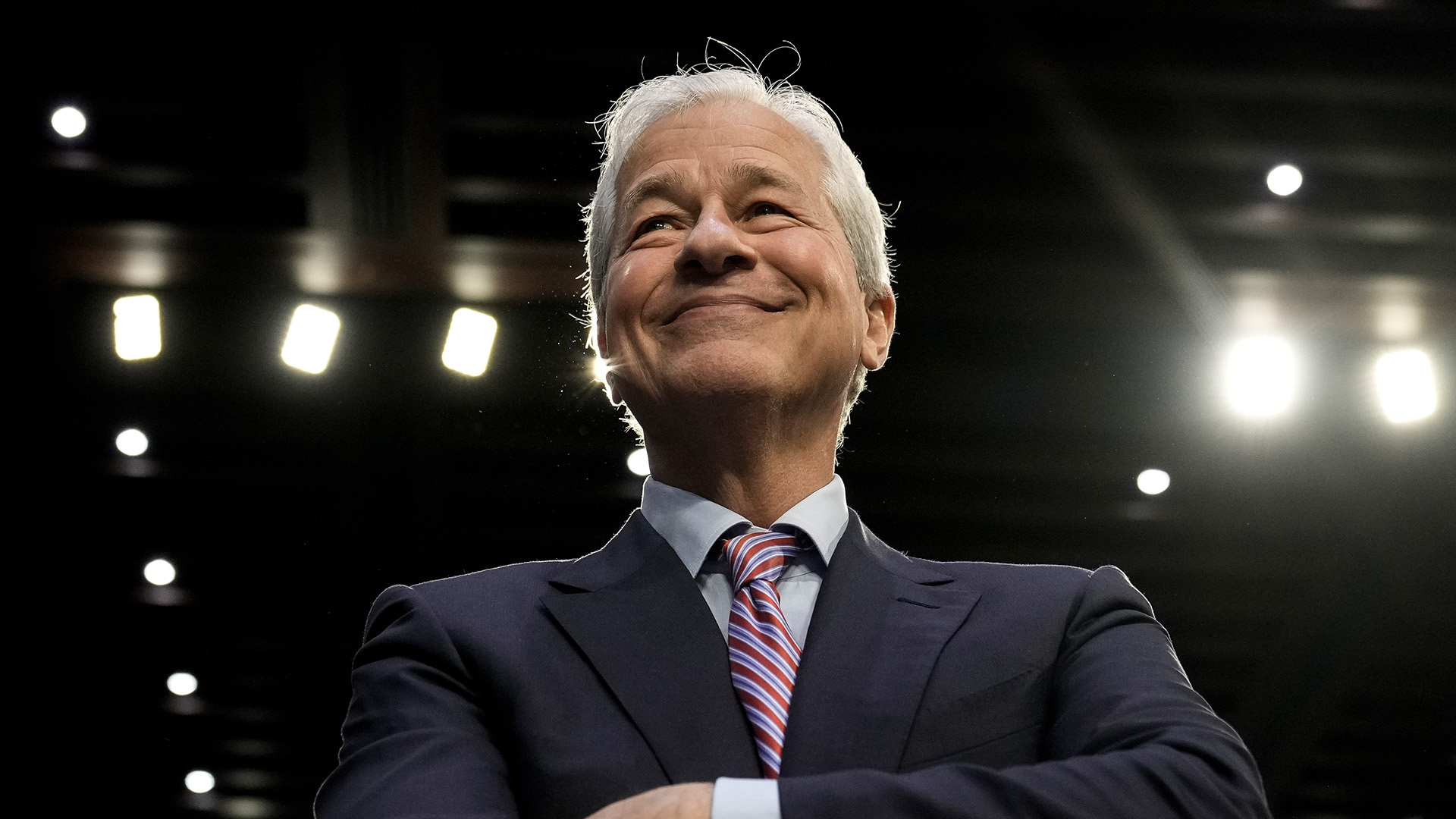
It’s not the first time JPMorgan Chase has come to First Republic’s rescue. Back in March, CEO Jamie Dimon led efforts to inject $30 billion in deposits into First Republic when it was first starting to falter following the collapses of SVB and Signature Bank. In all, 11 of the biggest U.S. banks rallied behind a rescue package to stabilize First Republic, including Bank of America, Citigroup and Wells Fargo. Of the $30 billion provided, Chase ponied up $5 billion.
On Monday, Chase leaders insisted there is no conflict of interest between the bank being an adviser to First Republic, followed by a bidder for First Republic. In an analyst call, executives said the two teams were separate. Chase CFO Jeremy Barnum vowed Monday to repay the other banks for the rescue deposits they contributed.
Chase’s complicated bank buyout history
JPMorgan Chase’s history of helping failing financial institutions likely led to it carving out some protections this time around. Following the 2008 financial crisis, federal regulators requested that JPMorgan step in and rescue investment bank Bear Stearns and Washington Mutual, the latter of which remains the largest bank failure in U.S. history.
Coming to the feds’ aid in 2008 burned Dimon pretty hard in the years that followed. Chase was held legally liable for billions of dollars in fines and settlements levied against the banks it inherited. Ultimately, Dimon said that he regretted saving the banks for that reason and wouldn’t have made the same decision again.
With First Republic’s saga now complete, Dimon said Monday, “This part of the crisis is over.” But he still left the door open for a smaller institution to fail, noting that bank failures will always happen.
SIMONE DEL ROSARIO: MOVE OVER, SILICON VALLEY BANK. FIRST REPUBLIC BANK IS NOW THE SECOND BIGGEST BANK FAILURE IN U-S HISTORY. THREE OF THE TOP 30 U.S. BANKS HAVE NOW FAILED IN LESS THAN TWO MONTHS. HERE ARE THREE THINGS TO KNOW ABOUT THE LARGEST U-S BANK BUYING FIRST REPUBLIC.
JPMORGAN CHASE WON THE OVERNIGHT BIDDING FOR FIRST REPUBLIC’S ASSETS, WHICH TOTAL AROUND 229 BILLION DOLLARS, WITH 104 BILLION IN TOTAL DEPOSITS. BUT AUTHORITIES HAD TO CARVE OUT AN EXCEPTION TO ALLOW THE NATION’S LARGEST BANK TO GET EVEN BIGGER. THE 1994 RIEGLE-NEAL ACT PROHIBITS BANKS FROM MAKING ACQUISITIONS THAT’LL PUSH ITS SHARE OF NATIONWIDE DEPOSITS OVER 10%. CHASE ALREADY HAS MORE THAN 10% OF THE NATION’S DEPOSITS, WHICH SHOULD HAVE TECHNICALLY MADE IT INELIGIBLE. BUT FEDS WERE PREPARED TO MAKE THAT EXCEPTION, SPECIFICALLY REQUESTING THAT JPMORGAN CHASE MAKE A BID. IN THE END, CHASE’S OFFER TO TAKE NEARLY THE ENTIRE BANK WAS REPORTEDLY THE CLEANEST AND BEST DEAL FOR THE FDIC. THE FDIC EXPECTS ITS DEPOSIT INSURANCE FUND TO TAKE A 13 BILLION DOLLAR HIT, WHILE OTHER BIDS WOULD HAVE REPORTEDLY COST IT BILLIONS MORE.
THIS ISN’T THE FIRST TIME CHASE HAS COME TO FIRST REPUBLIC’S RESCUE. BACK IN MARCH, CEO JAMIE DIMON LED EFFORTS TO INJECT 30 BILLION DOLLARS IN DEPOSITS INTO FIRST REPUBLIC, WHEN IT WAS FIRST STARTING TO FALTER FOLLOWING THE COLLAPSES OF SVB AND SIGNATURE BANK. IN ALL, 11 OF THE BIGGEST U-S BANKS RALLIED BEHIND A RESCUE PACKAGE TO STABILIZE FIRST REPUBLIC, INCLUDING BANK OF AMERICA, CITIGROUP AND WELLS FARGO. OF THE $30 BILLION, CHASE HAD PONIED UP $5. CHASE INSISTS THERE’S NO CONFLICT OF INTEREST BETWEEN THE BANK BEING AN ADVISER TO FIRST REPUBLIC, FOLLOWED BY A BIDDER FOR FIRST REPUBLIC. LEADERS SAID THE TWO TEAMS WERE SEPARATE.
WHILE CHASE’S CFO VOWED MONDAY TO REPAY THE OTHER BANKS FOR THE RESCUE DEPOSITS THEY CONTRIBUTED.
LASTLY, CHASE’S STORIED HISTORY OF HELPING FAILING FINANCIAL INSTITUTIONS LIKELY LED TO IT CARVING OUT SOME PROTECTIONS THIS TIME AROUND. FOLLOWING THE 2008 FINANCIAL CRISIS, FEDERAL REGULATORS REQUESTED THAT JPMORGAN STEP IN AND RESCUE INVESTMENT BANK BEAR STEARNS AND WASHINGTON MUTUAL – WHICH IS THE LARGEST BANK FAILURE IN U-S HISTORY. COMING TO THE FEDS’ AID IN 2008 BURNED DIMON PRETTY HARD IN THE YEARS THAT FOLLOWED. CHASE WAS HELD LEGALLY LIABLE FOR BILLIONS OF DOLLARS IN FINES AND SETTLEMENTS LEVIED AGAINST THE BANKS HE INHERITED. ULTIMATELY, DIMON SAID HE REGRETTED SAVING THE BANKS FOR THAT REASON AND WOULDN’T DO IT AGAIN.
WITH THE FIRST REPUBLIC BANK SAGA NOW COMPLETE, WHAT’S NEXT? DIMON SAID MONDAY, “THIS PART OF THE CRISIS *IS OVER.” BUT STILL LEFT THE DOOR OPEN FOR A SMALLER BANK TO FAIL.
I’M SIMONE DEL ROSARIO, IN NEW YORK IT’S JUST BUSINESS.
Media Landscape
This story is a Media Miss by the right as only 22% of the coverage is from right leaning media.
Learn more about this dataLeft 29%
Center 49%
Right 22%
Bias Distribution
Regulators Seize First Republic Bank, Sell To JPMorgan Chase
Click to see story on HuffPost
US regulators seize California’s First Republic in latest banking failure
Click to see story on Raw Story
First Republic Bank is taken over by FDIC and sold to JPMorgan
Click to see story on MSNBC
First Republic Sold to JPMorgan Chase as Regulators Step In
Click to see story on The Daily Beast
How the Second-Biggest Bank Failure in History Happened
Click to see story on Slate
Click to close
US banking titan JP Morgan to snap up most of First Republic
Click to see story on The Guardian
Regulators seize First Republic Bank, sell to JPMorgan Chase
Click to see story on The Hindu
JPMorgan Chase to buy distressed First Republic Bank in deal brokered by U.S. regulator
Click to see story on CBC News
First Republic Bank seized by US regulators and sold to JP Morgan Chase
Click to see story on The Independent
US Regulators Seize Troubled First Republic Bank, JPMorgan To Acquire It
Click to see story on NDTV
First Republic Bank seized, sold to JPMorgan Chase: Here’s what to know
Click to see story on USA Today
California regulators seize First Republic Bank; JP Morgan Chase is taking over all deposits and most assets
Click to see story on Associated Press News
JPMorgan Chase to assume all deposits of First Republic Bank
Click to see story on abc News
JPMorgan Chase comprará la mayoría de los activos del First Republic Bank tras su colapso en marzo
Click to see story on CNN
JPMorgan buys First Republic Bank after bank seized by regulators
Click to see story on Sydney Morning Herald
What to know about First Republic and the banking crisis
Click to see story on The Washington Post
Troubled First Republic Bank seized and sold to JPMorgan Chase
Click to see story on CBS News
US authorities ‘auction’ First Republic Bank to JPMorgan after second biggest bank failure in history
Click to see story on ABC Australia
US regulator seizes First Republic Bank, to sell assets to JP Morgan
Click to see story on Indian Express
First Republic Bank seized, sold to JPMorgan Chase
Click to see story on NY Daily News
Regulators seize First Republic Bank, sell to JPMorgan Chase
Click to see story on Los Angeles Times
JPMorgan Chase to take over deposits and most of the assets of First Republic Bank
Click to see story on npr
JPMorgan Ends First Republic’s Turmoil After FDIC Seizure
Click to see story on Bloomberg
JP Morgan acquires First Republic Bank
Click to see story on Sueddeutsche Zeitung
First Republic Bank seized, sold to JPMorgan Chase
Click to see story on The Mercury news
JPMorgan is buying First Republic Bank after it was taken over by regulators
Click to see story on Business Insider
FDIC accepts JPMorgan Chase Bank’s purchase of First Republic Bank
Click to see story on abc 6 Philadelphia
FDIC accepts JPMorgan Chase Bank’s purchase of First Republic Bank
Click to see story on abc 13 Houston
El regulador financiero de California toma posesión del First Republic Bank
Click to see story on Infobae
California regulators seize troubled First Republic Bank
Click to see story on Irish Examiner
First Republic Bank is taken over by FDIC and sold to JPMorgan in third major bank failure of 2023
Click to see story on NBC News
First Republic Bank is safe: Jp Morgan buys it
Click to see story on La Repubblica
JPMorgan Chase to take over most assets of First Republic Bank
Click to see story on abc 7 News
FDIC accepts JPMorgan Chase Bank’s purchase of First Republic Bank
Click to see story on abc11 Raleigh
FDIC accepts JPMorgan Chase Bank’s purchase of First Republic Bank
Click to see story on abc30 News
First Republic Bank seized, sold to JPMorgan Chase
Click to see story on Japan Today
First Republic Bank seized and sold to JPMorgan Chase
Click to see story on Bangor Daily News
Regulators Seize First Republic Bank, Sell to JPMorgan Chase in Third Major Bank Failure of 2023
Click to see story on NBC Chicago
Regulators seize First Republic Bank, sell to JPMorgan Chase
Click to see story on WHDH
First Republic Bank seized, sold in fire sale to JPMorgan
Click to see story on Alaska Highway News
JPMorgan buys First Republic Bank after being intervened by US authorities
Click to see story on El Pais
Regulators seize First Republic Bank, sell to JPMorgan Chase
Click to see story on Koco News5
The road to First Republic Bank’s collapse
Click to see story on Inquirer
Bankenkrise: First Republic Bank wird an JPMorgan verkauft
Click to see story on Zeit Online
JPMorgan buys First Republic Bank sale: What you need to know
Click to see story on Politico
First Republic Bank Seized, Sold to JP Morgan. What It Means for Mass. Customers
Click to see story on NBC Boston
Regulators seize First Republic Bank, sell to JPMorgan Chase
Click to see story on WISH-TV
WATCH LIVE: White House holds briefing as First Republic Bank seized by regulators
Click to see story on PBS NewsHour
First Republic Bank seized, sold in fire sale to JPMorgan
Click to see story on Times Colonist
US seizes assets of First Republic Bank, third to collapse in 2 months
Click to see story on The Times of Israel
First Republic Bank seized, sold to JPMorgan Chase
Click to see story on Lakeland Today
First Republic Bank seized, sold to JPMorgan Chase
Click to see story on Airdrie Today
First Republic Bank seized, sold in fire sale to JPMorgan
Click to see story on Mountainview Today
First Republic Bank seized, sold in fire sale to JPMorgan
Click to see story on Town And Country Today
Regulators seize First Republic Bank, sell to JPMorgan Chase
Click to see story on Burnaby Now
Regulators seize First Republic Bank, sell to JPMorgan Chase
Click to see story on WSVN
First Republic Bank seized, sold to JPMorgan Chase
Click to see story on Delta Optimist
Regulators seize First Republic Bank, sell to JPMorgan Chase
Click to see story on Coast Reporter
First Republic Bank seized, sold to JPMorgan Chase
Click to see story on Salt Lake Tribune
First Republic Bank Seized by Regulators and Sold to JPMorgan Chase
Click to see story on Time Magazine
First Republic Bank seized, sold to JPMorgan Chase
Click to see story on SooToday.com
First Republic Bank seized, sold to JPMorgan Chase
Click to see story on Barrie Today
First Republic Bank seized, sold to JPMorgan Chase; ‘zero leads’ in Texas manhunt; Met Gala mania is here; and more morning headlines
Click to see story on Arizona Daily Sun
First Republic Bank seized, sold in fire sale to JPMorgan
Click to see story on News & Record
Regulators seize First Republic Bank, with JPMorgan Chase acquiring it
Click to see story on AM New York
(S+) First Republic Bank: JP Morgan Chase acquires bankruptcy bank
Click to see story on Spiegel
Another bank goes down: First Republic Bank seized, sold to JPMorgan Chase
Click to see story on The Delaware County Daily Times
Regulators seize First Republic Bank, sell JPMorgan ‘substantially all’ remaining assets
Click to see story on The Week
First Republic Bank seized, sold to JPMorgan Chase
Click to see story on WCSH
US First Republic Bank also falls, is held by JP Morgan
Click to see story on NRC Handelsblad
First Republic Bank seized, sold to JPMorgan Chase
Click to see story on unionrecorder.com
JP Morgan taking over First Republic after its collapse
Click to see story on scrippsnews.com
Click to close
First Republic: JP Morgan snaps up major US bank
Click to see story on BBC News
Regulators seize First Republic Bank, sell assets to JPMorgan
Click to see story on Reuters
JP Morgan set to acquire assets of First Republic Bank after its closure
Click to see story on Hindustan Times
Regulators sell First Republic to JPMorgan Chase
Click to see story on NZ Herald
JPMorgan Chase Takes Over First Republic After Biggest U.S. Bank Failure Since 2008
Click to see story on CNBC
US regulators seize First Republic Bank and sell it to JPMorgan Chase
Click to see story on South China Morning Post
First Republic Bank seized, sold to JPMorgan Chase
Click to see story on KRDO
JPMorgan Chase to buy most First Republic assets after bank fails
Click to see story on KIFI
JPMorgan wins government auction to buy seized First Republic Bank
Click to see story on Channel News Asia
Deal reached to sell ailing First Republic to JP Morgan
Click to see story on RTÉ
JP Morgan’s acquisition of First Republic may put it among the top banks in Mass.
Click to see story on The Business Journals
JPMorgan to acquire San Francisco-based bank First Republic as US regulators announce deal
Click to see story on WION
Regulators seize First Republic Bank, sell to JPMorgan Chase
Click to see story on Star Advertiser
U.S. Regulator Seizes First Republic Bank, to Sell Assets to JP Morgan
Click to see story on VOA News
First Republic Bank seized, sold to JPMorgan Chase
Click to see story on Winnipeg Free Press
First Republic Bank seized by regulators, sold to JPMorgan Chase
Click to see story on UPI
JPMorgan to buy First Republic Bank as regulators seize control
Click to see story on Al Jazeera
FDIC accepts JPMorgan Chase Bank’s purchase of First Republic Bank
Click to see story on abc 7 Chicago
Regulators seize First Republic Bank, sell to JPMorgan Chase
Click to see story on KCRA 3
FDIC accepts JPMorgan Chase Bank’s purchase of First Republic Bank
Click to see story on abc 7 LA
FDIC accepts JPMorgan Chase Bank’s purchase of First Republic Bank
Click to see story on abc 7 NY
First Republic Bank shuts down, JP Morgan to take over assets
Click to see story on Live Mint
US regulator seizes First Republic Bank, sells to JPMorgan – DW – 05/01/2023
Click to see story on Deutsche Welle
First Republic Bank Folds As Banking Crisis Claims Third Victim – PNC Finl Servs Gr (NYSE:PNC), First Republic Bank (NYSE:FRC), JPMorgan Chase (NYSE:JPM)
Click to see story on Benzinga
First Republic Bank seized, sold to JPMorgan Chase
Click to see story on Chicago Tribune
First Republic Bank seized, sold to JPMorgan Chase
Click to see story on Portland Press Herald
Regulators seize First Republic Bank, sell to JPMorgan Chase
Click to see story on WCVB
First Republic Bank seized, sold to JPMorgan Chase
Click to see story on Las Vegas Review-Journal
US regulators seize California’s First Republic in latest banking failure
Click to see story on France24
Regulators seize First Republic Bank, sell to JPMorgan Chase
Click to see story on WLWT
Regulators seize First Republic Bank, sell to JPMorgan Chase
Click to see story on WMUR
First Republic Bank saved by JP Morgan: acquisition of assets worth 229 billion
Click to see story on Corriere Della Sera
Regulators seize First Republic Bank, sell to JPMorgan Chase
Click to see story on WLKY
Regulators close First Republic Bank, JPMorgan named as the buyer of $330B assets and deposits, FDIC on the hook for $13B
Click to see story on TechCrunch
JPMorgan to take over First Republic after regional bank was closed
Click to see story on MarketWatch
Regulators seize First Republic Bank, sell to JPMorgan Chase
Click to see story on WESH
Regulators seize First Republic Bank
Click to see story on Taipei Times
Salvataggio per First Republic Bank, l’acquisirà JpMorgan
Click to see story on ANSA
JPMorgan Chase Agrees To Acquire First Republic Bank’s Deposits After FDIC Intervenes
Click to see story on Forbes
Regulators seize First Republic Bank, sell to JPMorgan Chase
Click to see story on WDSU
First Republic Bank seized, sold to JPMorgan Chase
Click to see story on The Detroit News
Regulators seize First Republic Bank, sell to JPMorgan Chase
Click to see story on WTAE
Regulators seize First Republic Bank, sell to JPMorgan Chase
Click to see story on KETV
Regulators seize First Republic Bank, sell to JPMorgan Chase
Click to see story on WYFF
Regulators seize First Republic Bank, sell to JPMorgan Chase
Click to see story on KCCI
Regulators seize First Republic Bank, sell to JPMorgan Chase
Click to see story on KSAT 12
Regulators seize First Republic Bank, sell to JPMorgan Chase
Click to see story on KMBC
California regulators seize First Republic Bank; JP Morgan Chase is taking over all deposits and most assets
Click to see story on Washington Top News
Regulators seize First Republic Bank, sell to JPMorgan Chase
Click to see story on WBAL-TV
First Republic Bank seized, sold in fire sale to JPMorgan
Click to see story on The Billings Gazette
Regulators seize First Republic Bank, sell to JPMorgan Chase
Click to see story on WISN
First Republic Bank seized, sold in fire sale to JPMorgan
Click to see story on Lincoln Journal Star
Regulators seize First Republic Bank, sell to JPMorgan Chase
Click to see story on WPTZ
Regulators seize First Republic Bank, sell to JPMorgan Chase
Click to see story on WMTW
Regulators seize First Republic in 3rd major U.S. bank failure in 2 months
Click to see story on Deseret News
Regulators seize First Republic Bank, sell to JPMorgan Chase
Click to see story on WVTM
Regulators seize First Republic Bank, sell to JPMorgan Chase
Click to see story on WAPT
First Republic Bank acquired by JPMorgan after being seized by American authorities
Click to see story on La Libre
First Republic Bank seized, sold in fire sale to JPMorgan
Click to see story on Missoulian
First Republic Bank seized, sold in fire sale to JPMorgan
Click to see story on Tulsa World
Regulators seize First Republic Bank, sell to JPMorgan Chase
Click to see story on KOAT
First Republic Bank seized, sold in fire sale to JPMorgan
Click to see story on Helena Independent Record
First Republic Bank seized by feds, sold to JPMorgan Chase
Click to see story on The Oregonian
First Republic Bank seized, sold to JPMorgan Chase
Click to see story on WRIC
First Republic Bank seized, sold in fire sale to JPMorgan
Click to see story on Montana Standard
First Republic Bank seized, sold to JPMorgan Chase
Click to see story on Sask Today
First Republic seized by regulators as bid accepted from JP Morgan
Click to see story on The National
Regulators seize First Republic Bank, sell to JPMorgan Chase
Click to see story on WPRI 12
First Republic Bank seized, sold to JPMorgan Chase
Click to see story on NY1
JP Morgan buys First Republic Bank
Click to see story on Le Soir
Regulators seize First Republic Bank, sell to JPMorgan Chase
Click to see story on ABC6
First Republic Bank seized, sold to JPMorgan Chase
Click to see story on Penn Live
Another bank falls in the US: Regulator seizes First Republic Bank and hands it over to JPMorgan
Click to see story on El Financiero
Regulators seize First Republic Bank, sell to JPMorgan Chase
Click to see story on Syracuse NY
JP Morgan Chase acquires US bank First Republic
Click to see story on Tagesschau
First Republic Bank seized, sold to JPMorgan Chase
Click to see story on WFAA 8abc
Regulators seize First Republic Bank, sell to JPMorgan Chase
Click to see story on KCRG
First Republic Bank seized, sold to JPMorgan Chase
Click to see story on First Coast
JP Morgan takes over First Republic, the third largest US bank to collapse in recent months
Click to see story on Digi 24
California regulators seize First Republic Bank; JP Morgan Chase is taking over all deposits and most assets
Click to see story on KOB 4
California’s First Republic Bank Sold to JPMorgan in 2nd-Largest U.S. Bank Failure
Click to see story on Times of San Diego
First Republic Bank seized, sold in fire sale to JPMorgan
Click to see story on Tucson
Regulators seize First Republic Bank, sell to JPMorgan Chase
Click to see story on WFSB
Regulators seize First Republic Bank, sell to JPMorgan Chase
Click to see story on Devdiscourse
First Republic Bank seized, sold to JPMorgan Chase
Click to see story on Staten Island Advance
Regulator seized First Republic bank
Click to see story on 24ur.com
First Republic Bank seized, sold in fire sale to JPMorgan
Click to see story on The Sentinel
First Republic Bank seized, sold to JPMorgan Chase
Click to see story on KTSM
First Republic Bank seized, sold in fire sale to JPMorgan
Click to see story on Omaha World-Herald
Regulators seize First Republic Bank, sell to JPMorgan Chase
Click to see story on WPBF
First Republic Bank seized, sold to JPMorgan Chase
Click to see story on WTNH
First Republic Bank seized, sold to JPMorgan Chase; ‘zero leads’ in Texas manhunt; Met Gala mania is here; and more morning headlines
Click to see story on Winston-Salem Journal
First Republic Seized by Regulators, to Be Sold to JPMorgan (1)
Click to see story on Bloomberg Law
First Republic Bank seized, sold to JPMorgan Chase; ‘zero leads’ in Texas manhunt; Met Gala mania is here; and more morning headlines
Click to see story on HDR | Hickory Daily Record
US Regulators Seize California’s First Republic Bank
Click to see story on Barron's
Regulators seize First Republic Bank, sell to JPMorgan Chase
Click to see story on WXII
First Republic Bank seized, sold to JPMorgan Chase
Click to see story on WLTX
First Republic seized by regulators as bid accepted from JP Morgan
Click to see story on Financial Times
First Republic Bank seized, sold to JPMorgan Chase
Click to see story on WNDU
Regulators seize ailing First Republic Bank, sell remains to JPMorgan
Click to see story on SentinelSource.com
First Republic Bank seized, sold to JPMorgan Chase
Click to see story on Krem2 News
First Republic Bank seized, sold in fire sale to JPMorgan
Click to see story on Rapid City Journal Media Group
First Republic Bank seized, sold to JPMorgan Chase; ‘zero leads’ in Texas manhunt; Met Gala mania is here; and more morning headlines
Click to see story on GoDanRiver.com
First Republic Bank seized, sold to JPMorgan Chase
Click to see story on WUSA9
First Republic up in air as regulators juggle bank’s fate
Click to see story on Hawaii Tribune-Herald
First Republic Bank seized, sold in fire sale to JPMorgan
Click to see story on McDowellNews.com
SF’s First Republic Bank Seized and Quickly Sold to JPMorgan Chase In Largest Bank Failure of the Year
Click to see story on SFist
First Republic Bank seized, sold to JPMorgan Chase
Click to see story on WBIR
First Republic fails, and is snapped up by JPMorgan Chase
Click to see story on The Economist
First Republic Bank seized, sold to JPMorgan Chase
Click to see story on KGW 8
First Republic Bank seized, sold to JPMorgan Chase
Click to see story on KSDK
JPMorgan Chase to buy most First Republic assets after bank fails
Click to see story on Albany Herald
First Republic Bank seized, sold to JPMorgan Chase
Click to see story on KMOV St.Louis
First Republic Bank seized, sold in fire sale to JPMorgan
Click to see story on Red Bluff Daily News
First Republic Bank seized, sold to JPMorgan Chase; ‘zero leads’ in Texas manhunt; Met Gala mania is here; and more morning headlines
Click to see story on The Daily Nonpareil – Council Bluffs, Iowa…
JPMorgan Chase to buy most First Republic assets after bank fails
Click to see story on abc12/WJRT
First Republic Bank seized, sold to JPMorgan Chase; ‘zero leads’ in Texas manhunt; Met Gala mania is here; and more morning headlines
Click to see story on Auburn Citizen
First Republic Bank seized, sold to JPMorgan Chase; ‘zero leads’ in Texas manhunt; Met Gala mania is here; and more morning headlines
Click to see story on Journal Times
Headline Unavailable
Click to see story on Nasdaq
First Republic Bank seized, sold to JPMorgan Chase – Metro Philadelphia
Click to see story on Metro Philadelphia
Regulators seize First Republic Bank, sell to JPMorgan Chase
Click to see story on Valley News Live
First Republic Bank seized, sold to JPMorgan Chase; ‘zero leads’ in Texas manhunt; Met Gala mania is here; and more morning headlines
Click to see story on Glens Falls Post-Star
JPMorgan to buy First Republic after regulators seize control – Blue Water Healthy Living
Click to see story on AFP
First Republic Bank seized, sold to JPMorgan Chase
Click to see story on castanet.net
First Republic Bank seized, sold to JPMorgan Chase
Click to see story on kotatv.com
Click to close
JPMorgan to buy embattled First Republic Bank after seizure by regulators
Click to see story on Times of India
First Republic Bank Seized by Regulators, JPMorgan To Acquire
Click to see story on News18 India
First Republic Bank seized, sold to JPMorgan Chase
Click to see story on Washington Times
First Republic taken over by JP Morgan as third US bank falls
Click to see story on The Telegraph
US regulator seizes First Republic Bank, to sell assets to JP Morgan
Click to see story on New York Post
JP Morgan to buy First Republic’s assets and assume deposits
Click to see story on Financial Post
First Republic regulators rush to fix crisis as banks make bids
Click to see story on The Straits Times
Another US bank closed, JPMorgan to acquire assets of First Republic
Click to see story on Gulf News
JPMorgan to buy First Republic Bank as regulators seize control
Click to see story on News
JPMorgan buys First Republic after regulators seize control
Click to see story on Bangkok Post
First Republic Bank seized, sold to JPMorgan Chase
Click to see story on MY Northwest
First Republic Bank closed by US regulators, JPMorgan to acquire assets
Click to see story on Anadolu Ajansı
Another bank crumbles: First Republic seized by feds, sold in fire sale to JPMorgan
Click to see story on Boston Herald
US regulator seizes First Republic Bank, to sell assets to JPMorgan
Click to see story on Times Live
JPMorgan among bidders for ailing First Republic
Click to see story on The West Australian
San Francisco-based First Republic Bank seized, sold to JPMorgan Chase
Click to see story on Al Arabiya
First Republic Bank seized, sold to JPMorgan Chase
Click to see story on OC Register
First Republic Bank Is Seized, Sold to JPMorgan in Second-Largest U.S. Bank Failure
Click to see story on Wall Street Journal
JPMorgan acquires struggling First Republic Bank
Click to see story on Die Presse
PNC was one of First Republic Bank bidders, reports say
Click to see story on Alabama Live
JPMorgan Chase bought First Republic Bank
Click to see story on RIA Novosti [🇷🇺-affiliated]
Regulators seize First Republic Bank and sell it to JPMorgan Chase
Click to see story on Reason
First Republic Bank wird an JP Morgan verkauft
Click to see story on Frankfurter Allgemeine
Federal regulators seize, sell First Republic Bank to JPMorgan – Just the News Now
Click to see story on justthenews.com
JP Morgan acquires substantial majority of First Republic Bank’s assets
Click to see story on UnionLeader.com
JPMorgan buys First Republic: Bank shares rise as deal reached
Click to see story on Fox Business
First Republic Bank seized, sold to JPMorgan Chase
Click to see story on Albuquerque Journal
Crisis-hit First Republic Bank gets taken over by big bank
Click to see story on berlingske.dk
First Republic Bank Seized by FDIC, Sold to JPMorgan Chase
Click to see story on Jewish Press
JP Morgan buys First Republic Bank after being rescued in the US
Click to see story on la Nacion
JPMorgan Chase agrees to purchase First Republic
Click to see story on WKRC
First Republic Bank Is Almost Down. JPMorgan or PNC May Be Its Buyers
Click to see story on The Street
First Republic Bank seized, sold to JPMorgan Chase
Click to see story on WPDE
Click to close
Regulators take control of First Republic Bank and sell it to JPMorgan Chase
Click to see story on Washington Examiner
Biden Responds To First Republic Bank Closure
Click to see story on The Daily Caller
JPMorgan to buy First Republic’s assets and assume deposits
Click to see story on OAN
First Republic Bank seized, sold to JPMorgan Chase
Click to see story on Toronto Sun
NTD Good Morning (May 1): Manhunt Underway in Texas After 5 Murdered; JPMorgan Chase Buys Failed First Republic Bank
Click to see story on The Epoch Times
First Republic Bank Seized, Sold to JP Morgan Chase; Second-Biggest Bank Failure in US History
Click to see story on Latestly
Regulators Seize First Republic in Second Largest Bank Failure in U.S. History
Click to see story on National Review
Feds Seize First Republic Bank in Second Biggest Bank Failure in U.S. History, JPMorgan to Assume Control
Click to see story on RedState
US regulators seize First Republic Bank, sell to JPMorgan Chase
Click to see story on Daily Sabah
2nd largest bank failure in US: First Republic Bank seized, sold to JPMorgan
Click to see story on PressTV
Federal Regulators Seize, Sell Major Bank to JPMorgan Chase – The Ohio Star
Click to see story on The Ohio Star
In 3rd Major Bank Collapse, Regulators Seize First Republic Bank, Sell It to JPMorgan Chase
Click to see story on CBN
Fallen First Republic Bank comes into the hands of JPMorgan
Click to see story on De Telegraaf
JPMorgan buys First Republic after regulators seize control
Click to see story on The Daily Telegraph
First Republic Bank Seized by Regulators and Sold to JPMorgan
Click to see story on Washington Free Beacon
JPMorgan Chases Acquires First Republic Bank After Seizure by Regulators
Click to see story on The New York Sun
Federal Regulators Seize, Sell Major Bank to JPMorgan Chase – Tennessee Star
Click to see story on Tennessee Star
Federal Regulators Seize, Sell Major Bank to JPMorgan Chase – The Michigan Star
Click to see story on themichiganstar.com
Federal Regulators Seize, Sell Major Bank to JPMorgan Chase – The Florida Capital Star
Click to see story on floridacapitalstar.com
Click to close
First Republic Bank Taken Over by FDIC and Sold to JPMorgan – Largest Lender to Collapse Since 2008
Click to see story on The Gateway Pundit
Federal regulators seize and sell major bank to financial giant
Click to see story on WND
JPMorgan to Acquire First Republic Bank After Seizure by US Regulators
Click to see story on InfoWars
Click to close
Untracked Bias
US regulators seize troubled First Republic Bank
Click to see story on Shropshire Star
Bank shares rise in NY amid J.P. Morgan’s purchase of First Republic Bank
Click to see story on Globo
JP Morgan Buys Assets of First Republic Bank Seized by U.S. Regulators
Click to see story on bisnis.com
JP Morgan to buy First Republic Bank assets and take deposits
Click to see story on Publico
JP Morgan Chase übernimmt First Republic Bank
Click to see story on Berliner Morgenpost
North American bank First Republic closes and deposits are sold to JP Morgan
Click to see story on Jornal Expresso
Regulators seize First Republic Bank, sell to JPMorgan Chase
Click to see story on Richmond News
Banking crisis: JP Morgan acquires First Republic Bank
Click to see story on handelsblatt.com
U.S. First Republic Bank is sold to JPMorgan
Click to see story on Het Nieuwsblad
The US intervenes the First Republic Bank and sells it to JP Morgan
Click to see story on La Vanguardia
First Republic Bank seized, sold in fire sale to JPMorgan
Click to see story on North Shore News
First Republic Bank seized, sold in fire sale to JPMorgan
Click to see story on AlbertaPrimeTimes.com
Regulators seize First Republic Bank, sell to JPMorgan Chase
Click to see story on Tri-City News
US regulator secretly auctions First Republic bank: CNN
Click to see story on Aristegui Noticias
First Republic Bank seized, sold in fire sale to JPMorgan
Click to see story on Pique
Regulators seize First Republic Bank, sell to JPMorgan Chase
Click to see story on Squamish Chief
First Republic Bank seized, sold in fire sale to JPMorgan
Click to see story on New West Record
Finanzopsiicht annoncéiert: JP Morgan Chase iwwerhëlt First Republic Bank
Click to see story on rtl.lu
First Republic: Second largest bank failure in US history
Click to see story on ORF.at News
First Republic Bank seized, sold in fire sale to JPMorgan
Click to see story on Flin Flon Reminder
First Republic Bank seized, sold in fire sale to JPMorgan
Click to see story on St. Albert Gazette
First Republic Bank seized, sold in fire sale to JPMorgan
Click to see story on Sudbury
First Republic Bank seized, sold in fire sale to JPMorgan
Click to see story on Bay Today
U.S. First Republic Bank is sold to JPMorgan
Click to see story on Het Belang van Limburg
JPMorgan To Acquire Troubled Lender First Republic Bank
Click to see story on BQ
US markets volatile after JP Morgan’s purchase of First Republic
Click to see story on Bloomberg Linea
Another US Bank Collapses: Regulators Seize First Republic Bank, Sell to JPMorgan Chase
Click to see story on NewsClick
First Republic Bank seized, sold in fire sale to JPMorgan
Click to see story on Orillia Matters
JPMorgan erhält Zuschlag für First Republic Bank
Click to see story on Kurier
First Republic Bank seized, sold in fire sale to JPMorgan
Click to see story on Newmarket Today
First Republic Bank seized, sold in fire sale to JPMorgan
Click to see story on Midland Today
JP Morgan to acquire First Republic Bank after US financial authorities seize the lender
Click to see story on Zee Business
First Republic Bank seized, sold in fire sale to JPMorgan
Click to see story on Collingwood Today
JPMorgan wins contract for First Republic Bank
Click to see story on der Standard AT
First Republic Bank seized, sold to JPMorgan Chase
Click to see story on Elora Fergus Today
First Republic Bank seized, sold in fire sale to JPMorgan
Click to see story on Thorold Today
JP Morgan and First Republic agreement ends the second largest bank failure in the US
Click to see story on larepublica.co
Regulator seized First Republic bank
Click to see story on siol.net
JP Morgan buys First Republic, the fourth bank to fall since the banking crisis began
Click to see story on Cadena SER
JPMorgan Chase Bank takes deposits and assets from First Republic Bank
Click to see story on Noticias ao Minuto
JP Morgan takes over First Republic, the third largest US bank to collapse in the last six weeks
Click to see story on Libertatea.ro
First Republic Bank in the hands of US authorities and sold to JPMorgan
Click to see story on Jornal de Negócios
First Republic Bank in the USA: JP Morgan Chase goes bankrupt
Click to see story on TAZ
J.P. Morgan buys First Republic Bank
Click to see story on Ekstra Bladet
Fifth Third Bancorp bid for First Republic before sale to JPMorgan -sources
Click to see story on WTVB
First Republic Bank seized, sold in fire sale to JPMorgan
Click to see story on Rocky Mountain Outlook
JP Morgan buys the assets of First Republic Bank and avoids the financial crisis
Click to see story on La Información
First Republic Bank seized, sold in fire sale to JPMorgan – WNKY News 40 Television
Click to see story on WNKY
Salvation of a drowning person. JPMorgan buys troubled American bank First Republic
Click to see story on Новое Время
First Republic Bank seized by authorities and bought by JPMorgan
Click to see story on 20 Minutes
JP Morgan to take over First Republic Bank in second largest US bank collapse ever
Click to see story on City AM
CS takeover by UBS – JP Morgan Chase acquires ailing First Republic Bank
Click to see story on Schweizer Radio und Fernsehen (SRF)…
JP Morgan übernimmt angeschlagene First Republic Bank
Click to see story on focus.de
First Republic Bank Seized, Sold In Fire Sale To JPMorgan
Click to see story on KXL
JPMorgan Chase Bank takes deposits and assets from First Republic Bank
Click to see story on IOL Portugal
JPMorgan to buy First Republic Bank as regulators step in
Click to see story on Ak�am
JP Morgan Chase übernimmt First Republic Bank
Click to see story on nordbayern.de
Crisis-hit First Republic is being taken over by JPMorgan
Click to see story on E24
Another US bank closed, JP Morgan to acquire assets of First Republic Bank
Click to see story on OpIndia
Mon. 8:48 a.m.: First Republic Bank seized, sold to JPMorgan Chase
Click to see story on tribtoday.com
First Republic: the second biggest bank failure ever for a bank in the USA
Click to see story on SIC Notícias
First Republic Bank Seized, Sold In Fire Sale To JPMorgan – KFOR FM 101.5 1240 AM
Click to see story on KFOR FM 103.3 1240 AM
Regulators seize First Republic Bank, third bank to fail in two months
Click to see story on NXST
First Republic Bank goes bankrupt in the USA; JP Morgan will buy the assets and take deposits
Click to see story on Brasil 247
First Republic bank collapses, JPMorgan to take over, FDIC says
Click to see story on Western Iowa Today 96.5 KSOM KS 95.7
JPMorgan takes over ailing First Republic
Click to see story on De Tijd
JPMorgan Chase takes over plagued First Republic Bank
Click to see story on fd.nl
A third U.S. bank failed in three months. California’s First Republic Bank
Click to see story on aktuality.sk
JPMorgan acquires First Republic, a bank that rekindled fears about the sector’s crisis
Click to see story on Bloomberg Línea Brasil
First Republic Bank cracker — seized and sold to big bank
Click to see story on borsen.dk
A US Bank to Purchase First Republic Bank’s Assets: Report
Click to see story on tn.ai
First Republic Bank disappears, JPMorgan takes over almost all assets and assets
Click to see story on De Morgen
Banking turmoil: JP Morgan Chase buys struggling First Republic
Click to see story on wiwo.de
First+Republic+Bank+seized%2C+sold+to+JPMorgan+Chase
Click to see story on The Journal Record
First Republic Bank seized, sold in fire sale to JPMorgan – Finance & Commerce
Click to see story on Finance & Commerce
JP Morgan Chase acquires First Republic Bank
Click to see story on inFranken.de
First Republic Bank collapses and Wall Street giants take over
Click to see story on 工商時報
First Republic Bank seized, sold in fire sale to JPMorgan
Click to see story on Fort Worth Business Press
FDIC Says “Sell in May” — First Republic Seized and Sold to JPMorgan
Click to see story on Market Rebellion
First Republic Bank is sold to JPMorgan Chase
Click to see story on La Opinion
Another bank collapses in America, regulators seize First Republic Bank
Click to see story on News8Plus
First Republic Bank seized, sold in fire sale to JPMorgan
Click to see story on Vancouver Is Awesome
Regulators seize First Republic Bank, sell to JPMorgan Chase
Click to see story on Powell River Peak
JPMorgan acquires First Republic Bank
Click to see story on Salzburger Nachrichten
First Republic Bank seized, sold in fire sale to JPMorgan
Click to see story on Bradford Today
Contract awarded: JPMorgan acquires First Republic Bank
Click to see story on nachrichten.at
First Republic Bank seized, sold in fire sale to JPMorgan
Click to see story on Timmins Today
JPMorgan buys First Republic Bank embargoed by U.S. UU.
Click to see story on Diario El Mundo
First Republic Bank went bankrupt. JPMorgan buys it and saves it
Click to see story on quotidiano.net
First Republic Bank seized, sold to JPMorgan Chase
Click to see story on Maryland Daily Record
JPMorgan wins the tender to acquire the assets of First Republic
Click to see story on Vozpópuli
JPMorgan buys First Republic after regulators seize control
Click to see story on weeklytimesnow.com.au
First Republic Bank collapses and is sold to JPMorgan
Click to see story on De Limburger
First Republic Bank seized, sold in fire sale to JPMorgan
Click to see story on westernwheel.ca
JP Morgan to take over failed First Republic Bank
Click to see story on La Prensa Latina Media
First Republic Bank was acquired by regulators and sold to JPMorgan – Union Daily
Click to see story on Dziennik Związkowy | Polish Daily News
First Republic Bank: What we know about the second largest bank failure in US history
Click to see story on www.cnews.fr
First Republic Bank seized, sold in fire sale to JPMorgan
Click to see story on cochraneeagle.ca
JPMorgan Acquires First Republic in Largest Bank Failure Since 2008 Crisis: US Regulators Step In
Click to see story on swissfinancialtime.com
Regulators Seize First Republic Bank, Sell Assets To JPMorgan
Click to see story on thetechee.com
Click to close
353 other sources covering this story
Total News Sources
353
Leaning Left
73
Center
125
Leaning Right
55
Last Updated
1 year ago
Bias Distribution Powered by Ground News™
Unbiased news.
Directly to
your inbox.
Free!
MOST POPULAR
-
 U.S. Department of Defense
Congress still trying to figure out how to reduce wasteful military spending
Watch 2:29
7 hrs ago
-
 DVIDS
DVIDS
US Navy, Air Force making waves with new weapons at RIMPAC
Watch 6:03
7 hrs ago
-
 Getty Images
Israeli PM Netanyahu meets with Trump at Mar-a-Lago
Watch 2:54
7 hrs ago
-
 Getty Images
Growing US nuclear power resurgence reaches the nation’s heartland
Watch 1:19
7 hrs ago