
Tags: Banking, Credit crunch, Federal Reserve, Greg Becker, Ian Shepherdson, Inflation, Interest rates, Jamie Dimon, Jerome Powell, Kevin Carey, Kyrsten Sinema, Mark Zandi, Martin Gruenberg, Michael Barr, Pandemic, Pantheon Macroeconomics, Richard Branson, Signature Bank, Silicon Valley Bank, The Failed Bank Executives Clawback Act of 2023, UBS, Virgin Orbit, Warren Davidson
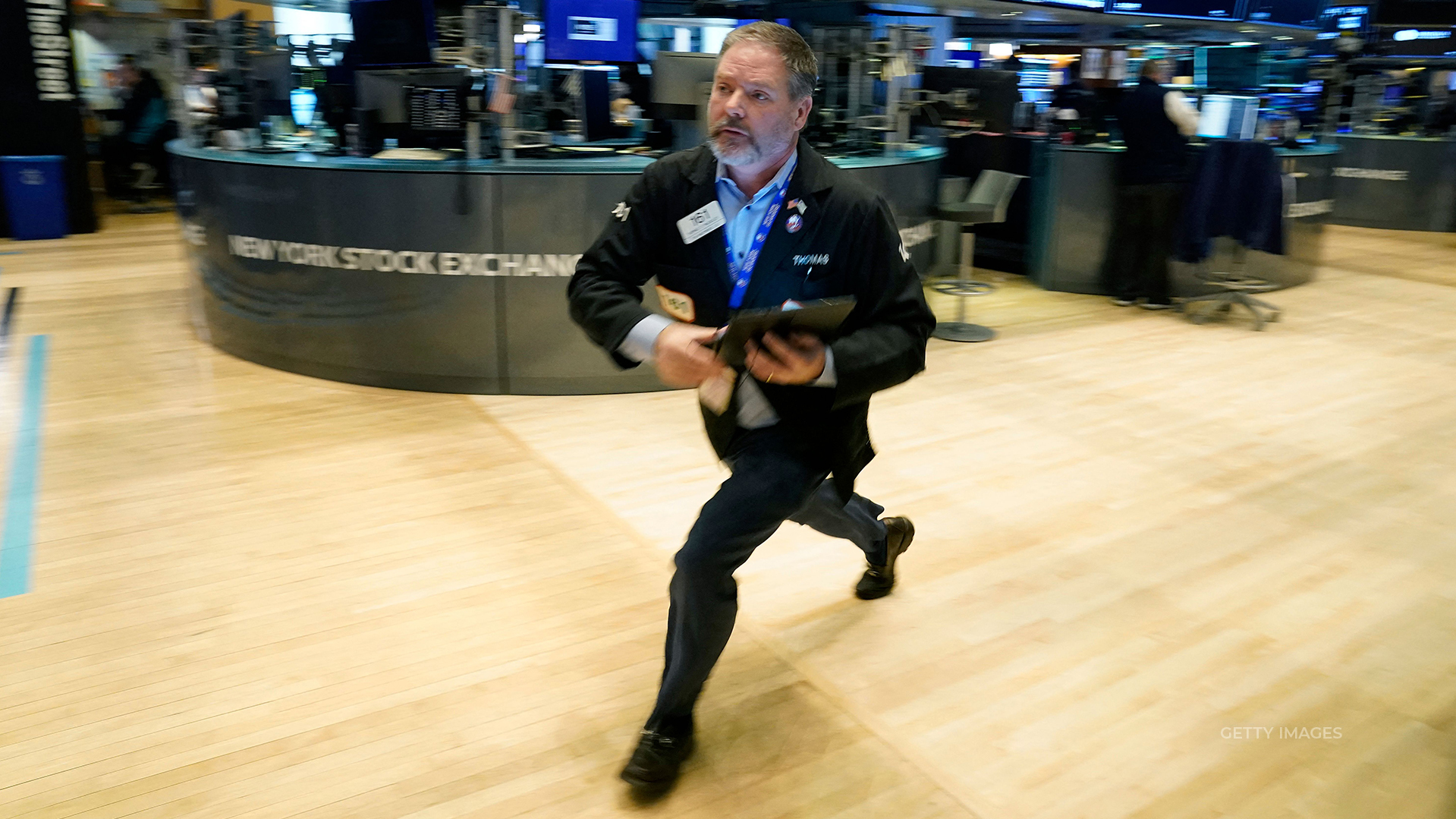
SIMONE DEL ROSARIO: NOW THAT IT’S BEEN NEARLY A MONTH, THE DUST IS STARTING TO SETTLE ON THE BANKING TURMOIL TRIGGERED BY TWO OF THE LARGEST BANK FAILURES IN U-S HISTORY.
BUT ARE WE JUST GOING FROM ONE CRISIS TO THE NEXT?
WITH THE DUST DYING DOWN, WE’RE ABLE TO SEE CRACKS IN THE SYSTEM THAT STARTED SPREADING EVEN BEFORE THE BANKS COLLAPSED.
IAN SHEPHERDSON, CHIEF ECONOMIST, PANTHEON MACROECONOMICS: I’m getting really nervous now that an economy that I thought was going to dodge recession, just, is now at much greater risk of falling into one and it could be quite severe because bank credit is the lifeblood for small businesses.
SIMONE DEL ROSARIO: HERE ARE TWO WORDS YOU’RE ABOUT TO HEAR COME UP A LOT.
ISAAC POOLE: IT IS LIKELY TO FOLLOW A GOOD OLE FASHION CREDIT CRUNCH PATHWAY.
RANDY WATTS: THIS IS GONNA BE EXACERBATED BY WHAT IS CLEARLY BECOMING A CREDIT CRUNCH IN THE BANKING SECTOR.
JIM CARON: IS IT A CREDIT CRUNCH LIKE IN 2008 OR IS IT A CREDIT TIGHTENING.
SIMONE DEL ROSARIO: CREDIT CRUNCH COULD BE THE PHRASE THAT PAYS – IF YOU’RE BETTING ON A U-S RECESSION.
WITH RISING INTEREST RATES AND NOW BANKING UPHEAVAL ON TOP OF IT, IS THE U-S ON THE VERGE OF THE NEXT CREDIT CRUNCH?
MARK ZANDI: A CREDIT CRUNCH IS THE INABILITY OF HOUSEHOLDS AND BUSINESSES TO GET THE CREDIT THAT THEY NEED.
SIMONE DEL ROSARIO: I’M NOT SURE I COULD SAY IT BETTER. A CREDIT CRUNCH REFERS TO A SIGNIFICANT DROP IN BANK LENDING ACTIVITY DRIVEN BY A SHORTAGE OF FUNDS.
MARK ZANDI: THE POSSIBILITY OF THE RESTRICTION OF CREDIT TO BE SO SIGNIFICANT THAT UNDER ALMOST ANY TERMS YOU CAN’T GET A LOAN THAT’S CERTAINLY A RISK OF SOMETHING THAT MAY HAPPEN. IF THAT DOES, THAT’S A CREDIT CRUNCH. WE’RE NOT THERE YET, BUT THAT’S CERTAINLY A POSSIBILITY GOING FORWARD.
SIMONE DEL ROSARIO: A PRIME EXAMPLE IS WHAT HAPPENED IN THE WAKE OF THE 2008 FINANCIAL CRASH.
FINANCIAL INSTITUTIONS WERE ON THE HOOK FOR TRILLIONS OF DOLLARS IN WORTHLESS SUBPRIME MORTGAGES.
BANKS THAT SURVIVED IT DIDN’T HAVE THE RESOURCES TO BE OUT THERE MAKING A LOT OF LOANS. EVEN HIGHLY-QUALIFIED FAMILIES AND BUSINESSES STRUGGLED TO GET CREDIT.
ACCESS TO CAPITAL IS WHAT FUELS GROWTH IN THE ECONOMY. SO THE CREDIT CRUNCH DRAGGED ON GROWTH FOR YEARS TO COME.
MARK ZANDI: THE ‘08, ‘09 FINANCIAL CRISIS IS IN A LEAGUE OF ITS OWN. WHAT WE’RE EXPERIENCING NOW, IT DOESN’T FEEL VERY GOOD, IT’S VERY UNCOMFORTABLE, BUT IT’S NOTHING COMPARED TO WHAT WE SUFFERED BACK IN THAT CRISIS.
SIMONE DEL ROSARIO: LOAN ACTIVITY HAS ALREADY BEEN ON THE DECLINE BECAUSE OF THE FEDERAL RESERVE’S FIGHT AGAINST INFLATION.
WHEN INTEREST RATES ARE HIGHER, PEOPLE ARE LESS LIKELY TO TAKE OUT LOANS AND SPEND MONEY.
JEROME POWELL: SO THE KEY IS WE HAVE TO HAVE POLICIES, GOTTA BE TIGHT ENOUGH TO BRING INFLATION DOWN TO 2% OVER TIME. IT DOESN’T ALL HAVE TO COME FROM RATE HIKES. IT CAN COME FROM, YOU KNOW, FROM TIGHTER CREDIT CONDITIONS.
SIMONE DEL ROSARIO: A POTENTIAL CREDIT CRUNCH CAN BE AN UNPREDICTABLE ALLY IN THE FED’S INFLATION FIGHT.
ON THE HEELS OF TWO OF THE BIGGEST U-S BANK FAILURES IN HISTORY…MANY EXPECT BANKS TO FURTHER LIMIT LOAN ACTIVITY.
BUT EVEN BEFORE THIS DISORDER, IT WAS ALREADY HAPPENING.
IN A FED SURVEY ABOUT 44% OF BANKS REPORTED TIGHTENING STANDARDS FOR BUSINESS LOANS THE FIRST QUARTER OF 2023.
MARK ZANDI: THERE’S A LOT OF UNCERTAINTY HERE. HOW SIGNIFICANT IS THIS CREDIT CRUNCH GOING TO BE? HOW BIG AN IMPACT IS THAT GOING TO HAVE. I’M MUCH LESS CONFIDENT IN MY OPTIMISM ABOUT AVOIDING RECESSION THAN I WAS TWO WEEKS AGO BECAUSE OF THE BANKING CRISIS.
SIMONE DEL ROSARIO: ACHIEVING DISINFLATION WITHOUT A RECESSION WAS ALREADY A TOUGH TEST TO PASS WITH THE FED’S BLUNT TOOLS.
BUT AT LEAST THEY HAVE CONTROL OVER THOSE TOOLS. A CREDIT CRUNCH COULD BRING IN A WHOLE NEW SET OF UNKNOWNS.
CREDIT TIGHTENING WAS ALREADY ON THE TABLE ACROSS THE BOARD, BUT SMALLER BANKS ARE GETTING HIT TWICE AS HARD RIGHT NOW. AND THAT’S GOING TO HAVE AN OUTSIZED IMPACT ON SMALL BUSINESS. LET ME EXPLAIN.
IN THE WEEK FOLLOWING SILICON VALLEY BANK’S TROUBLES, CUSTOMERS YANKED DEPOSITS OUT OF SMALLER BANKS AND MOVED THE MONEY INTO BIGGER BANKS, FEELING MORE CONFIDENT THE GOVERNMENT WOULDN’T LET THOSE BANKS FAIL.
AND IT WASN’T JUST A LITTLE BIT. THE LATEST FEDERAL RESERVE DATA SHOWS THE TOP 25 BANKS IN THE COUNTRY GAINED 120 BILLION IN DEPOSITS FROM MARCH 8TH TO MARCH 15TH.
WHILE ALL THE OTHER BANKS BELOW THAT LOST NEARLY 185 BILLION. THE LARGEST WEEKLY DECLINE ON RECORD.
IAN SHEPHERDSON, CHIEF ECONOMIST, PANTHEON MACROECONOMICS: And you have bank management thinking ok how do we survive this now well we probably don’t do it by lending.
SIMONE DEL ROSARIO: BANKS USE DEPOSITS TO FUND LOANS. SO NOW ALL OF THESE BANKS THAT LOST DEPOSITS – ARE GOING TO TIGHTEN CREDIT EVEN MORE. AND WHO USES THESE BANKS? SMALL AND MEDIUM-SIZED BUSINESSES. ACCORDING TO UBS – SMALLER AND REGIONAL BANKS HOLD 40% OF THESE COMPANIES’ LOANS AND DEBT.
IAN SHEPHERDSON: Bank credit is the lifeblood of small businesses and most people work for small businesses they drive a huge amount of economic activity and they’re really gonna struggle.
SIMONE DEL ROSARIO: AND IN SOME WAYS – THEY ALREADY ARE.
ON TUESDAY – RICHARD BRANSON’S SATELLITE-LAUNCHING COMPANY VIRGIN ORBIT FILED FOR CHAPTER 11 BANKRUPTCY.
THE COMPANY FAILED TO FIND A FUNDING LIFELINE AND IS NOW LOOKING TO SELL ITS ASSETS.
WHEN A PUBLIC COMPANY LIKE VIRGIN ORBIT GOES BANKRUPT, THERE ARE NO SHORTAGE OF HEADLINES.
BUT THERE’S AN UNDERCURRENT HAPPENING RIGHT NOW IN THE BANKRUPTCY WORLD THAT ISN’T GETTING AS MUCH ATTENTION.
THIS YEAR, RESEARCH SHOWS PRIVATE COMPANIES ARE FILING FOR BANKRUPTCY AT RATES THAT EXCEED WHAT WE SAW AT THE HEIGHT OF THE PANDEMIC.
UBS SAYS A LOT OF THESE BANKRUPTCIES ARE AT SMALLER FIRMS FOR NOW, SO THE IMPACT ON ASSETS AND EMPLOYEES IS NOT AS EGREGIOUS AS THE SHEER NUMBER OF FILINGS.
EXPERTS SAY REAL ESTATE IS ONE PLACE THEY’RE SEEING A BANKRUPTCY BOOM, WHILE HEALTHCARE, RETAIL, CONSTRUCTION, RESTAURANT AND FINANCIAL SECTORS ARE ONES TO WATCH.
I WANT TO BRING IN THE HONORABLE KEVIN CAREY, A FORMER BANKRUPTCY JUDGE AND CURRENT PRESIDENT OF THE AMERICAN BANKRUPTCY INSTITUTE.
SIMONE DEL ROSARIO: If this was happening prior to the banking crisis, you said that it’s been ticking up for the past couple of months. And we knew that credit was already tightening prior to that as well. What does a potential looming credit crunch do on top of that for businesses?
KEVIN CAREY: we’ve been talking about for really a long period of time now for the recession to happen. And so a lot of the lending is on hold. You know, investors don’t want to put money into a volatile economy. When it looks like there’s uncertainty, the banking. You know, I read today that in his message to shareholders, Jamie Dimon at JPM Chase, said, you know, the banking crisis isn’t over yet. He says it’s not like it’s going to like it was in 2008. But there’s still reason to worry. Look, and it’s not just in the US, look what happened with Credit Suisse and UBS, in Europe. So that’s also I think, creating some air of uncertainty that we found out with Silicon Valley is that once a run on a bank starts, it can’t be stopped.
SIMONE DEL ROSARIO: You’ve overseen a lot of bankruptcies and I’m wondering, with your expertise, what happens to businesses when capital is harder to come by?
KEVIN CAREY: Well, and you put your finger on it, it’s liquidity, right. Once liquidity runs out, companies are faced with very few choices. And of course, so many of the chapter elevens now are filed for the purpose of conducting the going concern sale of the business. You know, seemingly Long gone are the old traditional chapter elevens where a company would stay in for a while, restructure, fix some business problems or, you know, rehabilitate some business units, fix its balance sheet. Now, it’s so frequently said plead to get a sale. And of course, sale orders signed by a bankruptcy judge have great value for for buyers, who know they’re getting a business free of liens and other interests, which otherwise might hold the business back.
SIMONE DEL ROSARIO: You know, we haven’t really seen much of an impact of this uptick in bankruptcies and the unemployment numbers yet, but if you consider that more than half of the privately employed workforce works in those small and medium sized businesses, what do you foresee happening this year?
KEVIN CAREY: We’ll see that’s, you know, that’s one of those, you know, factors that kind of swirls around, you know, unemployment continues to be down. You know, there are other factors like high inflation that that are negative influences on the economy. It really, it just depends on on what a particular businesses issues are, you know, whether a business is in an industry that’s growing or not growing, and whether the business is over leveraged. So many of the businesses that find their way into chapter 11, are over levered. And businesses find themselves in a situation in which there’s just no way out. But to sell the company.
SIMONE DEL ROSARIO: You touched on this, everybody seems to be waiting for that recession to come. You know, the Feds been walking such a tightrope trying to bring down inflation, they predict unemployment is gonna go up about another percentage point this year, they are hoping to still avoid a recession. But what is your read?
KEVIN CAREY: So I think everybody hopes to avoid a recession, except maybe those in the restructuring industry for whom that supplies work. But I, you know, look, I know a lawyer, old bankruptcy practitioner who likes to say I predicted the last three recessions seven times. So even when it seems apparent, even when it seems apparent that we’re headed in that direction. Often we don’t get there. I mean, the government’s look what the government did with Silicon Valley. I mean, it’s, it can still play a major role in affecting the economy one way or the other. And I always wonder whether if something looks like it’s going to happen, what the government will do, can be a game changer.
SIMONE DEL ROSARIO: The Honorable Kevin Carey, president of the American Bankruptcy Institute, thank you so much for your time today.
KEVIN CAREY: You’re very welcome, Simone.
SIMONE DEL ROSARIO: SPEAKING OF WHAT THE GOVERNMENT WILL DO…ON MAY FIRST, FEDERAL REGULATORS WILL RELEASE THEIR INVESTIGATION INTO THE EPIC COLLAPSE OF SILICON VALLEY BANK.
BUT CONGRESS IS KEEN ON ADDRESSING SOMETHING THAT HAPPENED JUST BEFORE REGULATORS TOOK OVER.
MERE HOURS BEFORE THE FEDERAL GOVERNMENT CLOSED DOWN SILICON VALLEY BANK, THE BANK DISHED OUT EMPLOYEE BONUSES.
TO BE CLEAR, THE ANNUAL PAYOUT WAS PLANNED BEFORE THE BANK’S COLLAPSE. BUT THAT IS TIMING AT ITS WORST.
TACK ON C-E-O GREG BECKER CASHING OUT $3.6 MILLION IN BANK SHARES LESS THAN TWO WEEKS BEFORE THE FAILURE – AND YOU’VE CAUGHT THE IRE OF WASHINGTON POLITICIANS.
KYRSTEN SINEMA: IT’S OUTRAGEOUS THAT THESE PEOPLE TOOK BONUSES AND SOLD STOCK IN THE DAYS LEADING UP TO THE BANK’S FAILURE. WE SHOULD HOLD THESE EXECUTIVES ACCOUNTABLE FOR THE FULLEST EXTENT OF THE LAW AND CLAW BACK THOSE BONUSES AND STOCK SALES.
SIMONE DEL ROSARIO: FEDERAL REGULATORS IMMEDIATELY FIRED THE BANK’S LEADERS.
BUT SVB EXECUTIVES AND DIRECTORS STILL HAVE A CUSHION TO FALL BACK ON. SMART INSIDER SAYS THEY’VE CASHED OUT $84 MILLION WORTH OF STOCK THE PAST TWO – VERY PROFITABLE – YEARS.
NOT TO MENTION, MILLIONS PAID OUT IN EXECUTIVE SALARIES.
AND NOW THERE A BIPARTISAN PUSH TO CLAW SOME OF THAT BACK…THE NEXT TIME A BANK FAILS, THAT IS.
CO-SPONSOR SENATOR ELIZABETH WARREN SAYS IT’LL GIVE BANK LEADERSHIP THE INCENTIVE TO BE MORE CAUTIOUS, ESPECIALLY SINCE THAT CLAW COULD REACH BACK FIVE YEARS BEFORE A FAILURE.
ELIZABETH WARREN: HEY IF YOU LOAD THIS BANK UP ON RISK AND THE BANK EXPLODES, YOU’RE GOING TO LOSE THAT FANCY BONUS, YOU’RE GOING TO LOSE THAT BIG SALARY, YOU’RE GOING TO LOSE THOSE STOCK OPTIONS.
SIMONE DEL ROSARIO: THE FDIC SAYS SVB’S COLLAPSE PUT A 20 BILLION DOLLAR HOLE IN GOVERNMENT’S DEPOSIT INSURANCE FUND. AND THAT’LL HAVE TO BE REPLENISHED WITH A SPECIAL FEE ON BANKS.
FEDERAL REGULATORS TOLD CONGRESS THEY DO HAVE SUBSTANTIAL AUTHORITY TO HOLD BANK EXECS ACCOUNTABLE…
MICHAEL BARR: POTENTIAL CONSEQUENCES INCLUDE A PROHIBITION FROM BANKING CIVIL MONEY PENALTIES OR THE PAYMENT OF RESTITUTION, WE INTEND TO USE THESE AUTHORITIES TO THE FULLEST EXTENT WE ARE ABLE.
SIMONE DEL ROSARIO: BUT MULTIPLE BILLS PROPOSED IN THE WAKE OF THE BANK COLLAPSE ARE LOOKING TO EXTEND THAT REACH.
MARTIN GRUENBERG: IF YOU ARE LOOKING FOR AN ADDITIONAL AUTHORITY SPECIFIC AUTHORITY UNDER THE FDI ACT, FOR CLAWBACKS PROBABLY WOULD HAVE SOME VALUE.
SIMONE DEL ROSARIO: THE BIPARTISAN NATURE OF SOME OF THESE BILLS MAKE IT APPEAR AS THOUGH IT’LL BE A SHOO IN. BUT CONGRESS HAS BEEN HERE BEFORE.
IN 2009, THE HOUSE OVERWHELMINGLY PASSED A BILL – 328 TO 93 – THAT WOULD TAX THE BONUSES OF HIGH-EARNING EMPLOYEES AT COMPANIES BAILED OUT BY THE GOVERNMENT. BUT IT NEVER WENT ANYWHERE IN THE SENATE.
THE CEO OF THE LARGEST BANK IN THE U-S IS WARNING THE GOVERNMENT TO “AVOID KNEE-JERK, WHACK-A-MOLE OR POLITICALLY MOTIVATED RESPONSES” TO THE LATEST BANK FAILURES.
IN HIS ANNUAL LETTER, JPMORGAN CHASE CEO JAMIE DIMON SAID THE LATEST BANKING RISKS WERE “HIDING IN PLAIN SIGHT.” SAYING “THIS WASN’T THE FINEST HOUR FOR MANY PLAYERS,” FROM THE BANKS THAT FAILED TO HEDGE INTEREST RATE RISK TO THE FEDERAL RESERVE.
HE ADDED THE CURRENT CRISIS IS NOT YET OVER AND THAT THERE WILL BE REPERCUSSIONS FOR YEARS TO COME. BUT THAT IT’S NOTHING LIKE WHAT HAPPENED IN 2008.
IT’S THE FIRST TIME DIMON HAS COMMENTED PUBLICLY ABOUT THE CRISIS. OVER THE PAST MONTH HE’S BEEN MEETING BEHIND THE SCENES WITH REGULATORS AND OTHER BANK CEOS.
HE ALSO LED EFFORTS TO STABILIZE FIRST REPUBLIC BANK FROM COLLAPSE – WHICH INCLUDED POOLING TOGETHER A $30 BILLION DOLLAR LIFELINE TO THE BANK.
DIMON WARNED THAT THE DEBATE MOVING FORWARD SHOULD NOT ALWAYS BE ABOUT MORE OR LESS REGULATION, BUT ABOUT WHAT MIX OF REGULATIONS WILL KEEP AMERICA’S BANKING SYSTEM ON TOP.
AND WE KNOW HE HAS THE EAR OF SOME OF WASHINGTON’S MOST POWERFUL.
THAT’S IT FOR NOW – FOLLOW THE LATEST BANKING CRISIS COVERAGE AT STRAIGHT ARROW NEWS DOT COM.
MOST POPULAR
-
 Getty Images
Harvey Weinstein’s rape conviction overturned, victims could see new trial
-
 Getty Images
Pythons decimate Florida’s wildlife, is eating them the answer?
-
 Getty Images
Trump could lose Secret Service protection if found guilty
-
 AP Images
Argentina asks to join NATO as Milei looks to enhance security, strengthen ties