THE UNITED STATES NAVY NEEDS NEW WARSHIPS, AND IT’S GETTING THEM. THE U.S. SENATE APPROVED ITS VERSION OF THE NATIONAL DEFENSE AUTHORIZATION ACT, WHICH WILL OK ENOUGH MONEY FOR THE NAVY TO BUY 10 SHIPS IN FISCAL YEAR 2024.
HERE’S A BREAKDOWN OF THE SHIPS THE NAVY WILL PROCURE:
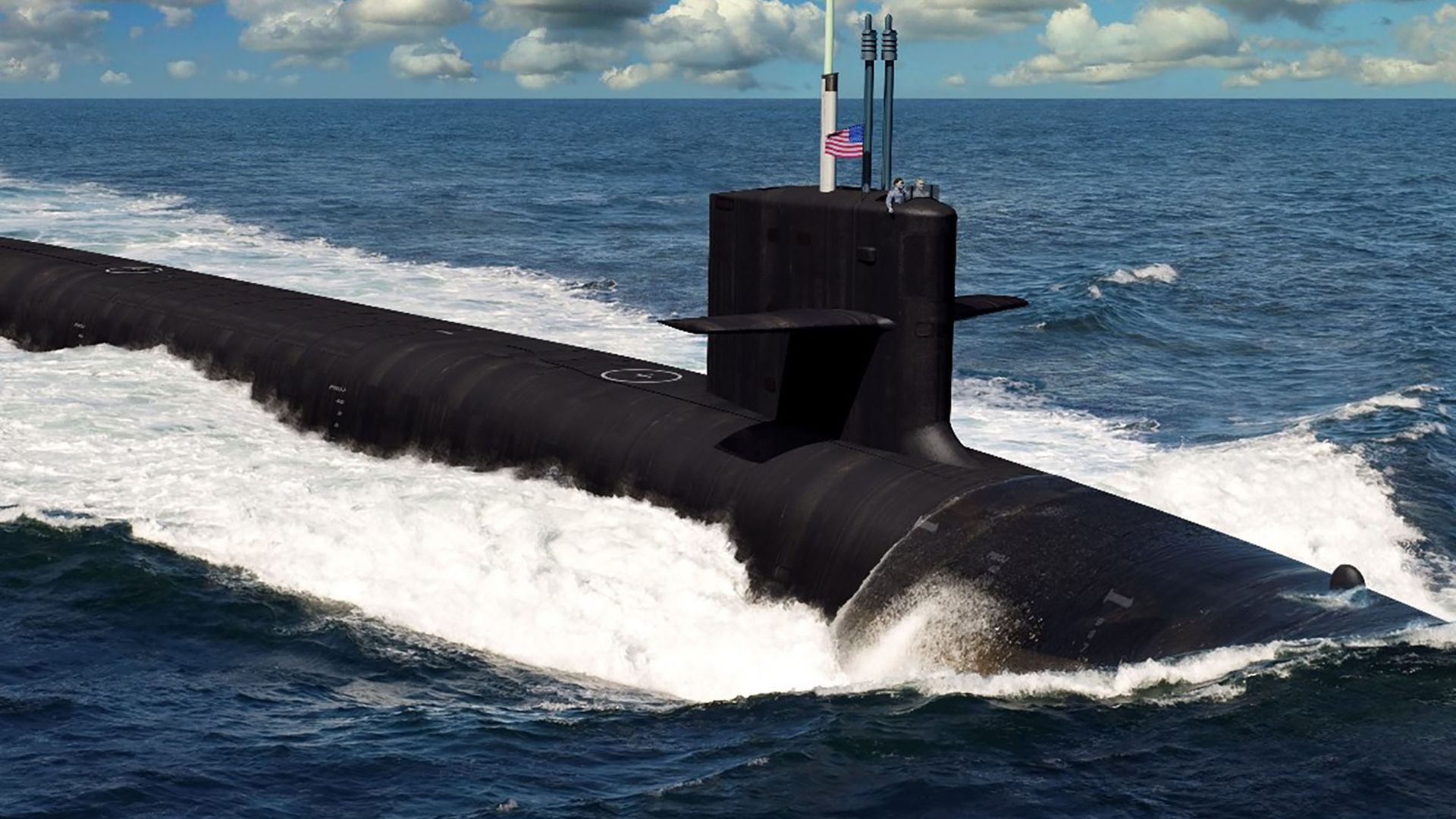
● one Columbia-class ballistic-missile submarine
● two Virginia-class attack submarines
● two Arleigh Burke-class destroyers
● two Constellation-class frigates
● one John Lewis-class fleet oiler
● one submarine tender
● one San Antonio-class amphibious transport dock
FUNDING FOR THE AMPHIBIOUS SHIP WAS A MAJOR POINT OF CONTENTION BETWEEN THE NAVY, MARINES, CONGRESS, AND PRIVATE INDUSTRY PARTNERS. IN FACT, THE NAVY DIDN’T EVEN ASK FOR FUNDING FOR THE SHIP IN ITS PROPOSAL, AND THE SERVICE PAUSED PROCURING THE VESSELS FOR THE LAST TWO YEARS WHILE IT STUDIED WHETHER THE SHIPS WERE WORTH THE COST.
HOWEVER, THE NAVY IS CONGRESSIONALLY MANDATED TO HAVE AT LEAST 31 AMPHIBIOUS WARSHIPS. THE NAVY’S AMPHIBIOUS READY GROUP AND MARINE EXPEDITIONARY UNITS USE THE VESSELS.
ARG/MEUs ARE USUALLY THE FIRST AMERICAN FORCES TO RESPOND TO CONFLICT ZONES OR FOR DISASTER RELIEF. IF A GOOD NAVY IS NOT A PROVOCATION TO WAR BUT A GUARANTEE OF PEACE, THEN THE ARG/MEUs ARE THE VANGUARD OF PEACEFUL DETERRENCE.
FOR DECADES, THE MIGHT OF THE U.S. NAVY WENT UNCHALLENGED, BUT WITH THE RISE OF NEAR-PEER ADVERSARIES LIKE CHINA, AMERICAN DOMINANCE AT SEA CAN’T BE TAKEN FOR GRANTED. WHEN IT COMES TO TOTAL NUMBER OF SHIPS, THE U.S. ISN’T EVEN IN THE TOP THREE OF WORLD’S LARGEST NAVIES. CHINA HAS THE MOST SHIPS, FOLLOWED BY RUSSIA AND NORTH KOREA.
DURING RUSSIA’S RECENT NAVY DAY CELEBRATIONS, VLADIMIR PUTIN SAID THE RUSSIAN NAVY WILL ADD 30 NEW SHIPS THIS YEAR, WHICH WILL PROBABLY PROVE DIFFICULT GIVEN THE SUPPLY CHAIN CHALLENGES RUSSIA IS CURRENTLY EXPERIENCING.
CHINA’S NAVY GETTING BIGGER ISN’T IN DOUBT THOUGH. THE PEOPLE’S LIBERATION ARMY NAVY ALREADY OUTPACES U.S. SHIPBUILDING, AND THERE ARE SOME REPORTS SAYING CHINA WILL DOUBLE ITS FLEET OF DESTROYERS IN THE NEXT FIVE YEARS
WHILE MASS STILL MATTERS, THE MIGHT OF A MODERN NAVY IS NOT JUST ABOUT HOW MANY SHIPS IT SAILS. YOU ALSO HAVE TO TAKE INTO ACCOUNT A FLEET’S CAPABILITIES. THE U.S. NAVY OPERATES THE MOST ADVANCED SURFACE FIGHTING VESSELS ON THE PLANET, AND THE PENTAGON HAS NO PLANS TO CHANGE THAT.
IT’S WHY THE NAVY JUST AWARDED CONTRACTS TO BUILD NINE NEW ARLEIGH BURKE-CLASS DESTROYERS TO HII AND GENERAL DYNAMICS BATH IRON WORKS.
THE ARLEIGH BURKE-CLASS DESTROYERS ARE TAKING OVER THE AIR DEFENSE MISSIONS IN CARRIER STRIKE GROUPS. THE FLIGHT III DESTROYERS HAVE ADVANCED RADAR AND TARGETING SYSTEMS, ALLOWING THE SHIPS TO ENGAGE IN ANTI-AIR WARFARE AND BALLISTIC MISSILE DEFENSE AT THE SAME TIME. SECRETARY OF THE NAVY CARLOS DEL TORO CALLED THE DESTROYERS THE BACKBONE OF THE NAVY’S SURFACE FLEET.
ONE FINAL NOTE ON THE FISCAL YEAR 2024 NDAA: IT IS NOT A DONE DEAL JUST YET. IT’S MORE THAN LIKELY THE NAVY WILL GET EVERYTHING OUTLINED IN THE SENATE’S VERSION OF THE BILL, BUT IT STILL NEEDS TO GO THROUGH A RECONCILIATION PROCESS WITH THE HOUSE FIRST. THEN, IT’LL GO TO PRESIDENT BIDEN FOR HIS SIGNATURE BEFORE BEING PASSED INTO LAW.
FOR MORE UNBIASED, STRAIGHT FACT REPORTING ON THE U-S NAVY AND SOME OF ITS NEWEST SHIPS, BE SURE TO CHECK OUT S-A-N DOT COM
Related




 Getty Images
 Getty Images
 AP Images
 Getty Images