
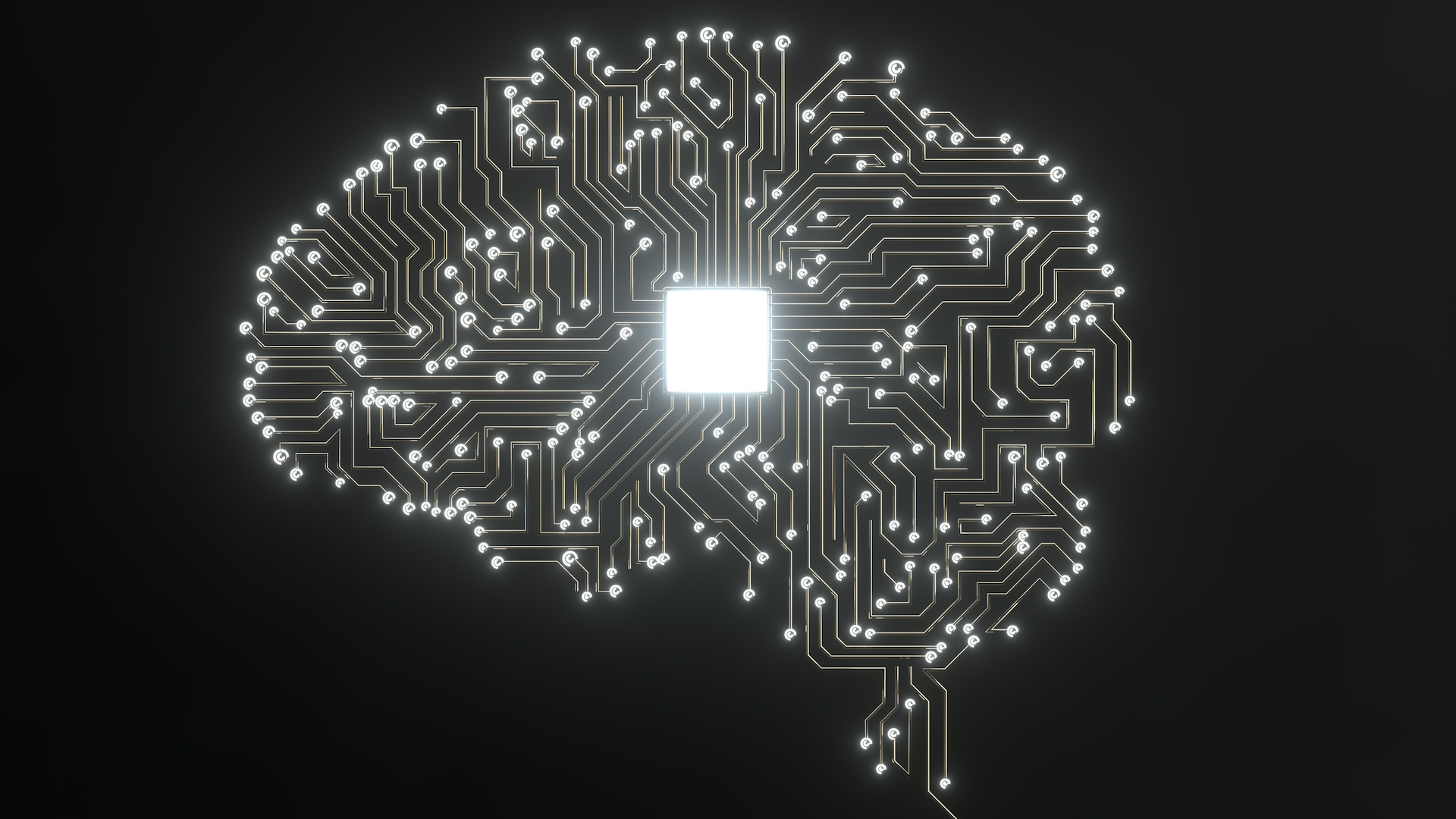

VIDEO GAMES, NAVIGATION, CHATBOTS, SMART SPEAKERS, SOCIAL MEDIA, HOME SECURITY, SMART TVS…ALL OF THESE PRODUCTS USE SOME FORM OF A-I.
BUT ARTIFICIAL INTELLIGENCE IS A BROAD TERM THAT ENCOMPASSES A RANGE OF TECHNOLOGIES. SOME HAVE BEEN AROUND FOR A WHILE. SOME ARE JUST NOW EMERGING, AND SOME WE MAY SEE DOWN THE ROAD.
HERE ARE THE FOUR TYPES OF A-I, FROM THE SIMPLEST, EARLY ITERATIONS, TO THE ENTIRELY THEORETICAL:
LET’S START WITH “REACTIVE A-I”, THE MOST BASIC FORM OF ARTIFICIAL INTELLIGENCE. IT IS DESIGNED FOR ONE JOB– TO RESPOND TO INPUTS, OR STIMULI, IN A SPECIFIC WAY.
AN EMAIL SPAM FILTER IS REACTIVE. SINCE THE 90’S THEY’VE BEEN PROGRAMMED TO SIMPLY IDENTIFY SPECIFIC PATTERNS IN PHISHY EMAILS. IF A SPAMMY PATTERN IS DETECTED, THE FILTER BLOCKS IT. SORRY, MISTER NIGERIAN PRINCE! TRY SOMEONE ELSE.
IT’S NOT A PERFECT SYSTEM, AND REACTIVE A-I CANNOT LEARN FROM ITS MISTAKES. WHICH MEANS IF THE FILTER BLOCKS NON-SPAM, IT WILL JUST KEEP ON FILTERING UNTIL ITS CODE IS UPDATED– BY A HUMAN.
LIMITED MEMORY A-I IS MORE SOPHISTICATED. IT CAN REMEMBER PAST EVENTS AND LEARN FROM THEM. THINK: SEMI-AUTONOMOUS VEHICLES.
USING CAMERAS AND SENSORS TO DETECT NEARBY TRAFFIC, PEDESTRIANS, AND STOP-LIGHTS, THE CAR STORES THIS INFORMATION IN ITS MEMORY, AND CAN USE IT TO CONTINUALLY MAKE SMARTER, SAFER DECISIONS ON THE ROAD.
CHAT G-P-T AND BARD ARE ALSO LIMITED MEMORY A-I–CURRENTLY WHAT WE CONSIDER ‘CUTTING EDGE’
THAT BRINGS US TO THE MARGINS OF THIS TECHNOLOGY, AND THEORY OF MIND A-I. NOW IT GETS UNCOMFY, BECAUSE THESE TOOLS CAN– IN THEORY– UNDERSTAND THE THOUGHTS AND EMOTIONS OF PEOPLE AND ANIMALS, AND ADJUST ITS OWN BEHAVIOR ACCORDINGLY. THIS MEANS IT CAN COOPERATE WITH OTHERS, AND POSSIBLY DECEIVE THEM– ALSO KNOWN AS DATING.
SOME EXPERTS ARGUE THAT CHATGPT HAS DEMONSTRATED THEORY OF MIND…BUT MANY REMAIN SKEPTICAL.
FINALLY, THE STUFF OF NIGHTMARES: SELF-AWARE A-I. THESE SYSTEMS WOULD HAVE THEIR OWN THOUGHTS, FEELINGS, AND… ASPIRATIONS. SOME WOULD CALL IT SENTIENCE. WHILE IT HAS THE POTENTIAL TO STREAMLINE MANY ASPECTS OF SOCIETY, MANY FEAR THIS A-I COULD SEE HUMANS AS A THREAT AND DECIDE TO TAKE OVER.
AT THIS POINT, SENTIENT A-I IS LARGELY THEORETICAL. NO ONE CAN GUARANTEE THAT WE’LL EVER ACHIEVE THIS LEVEL OF TECHNOLOGY IN MACHINES OR SOFTWARE.
FOR NOW, THE FRONTIER OF ARTIFICIAL INTELLIGENCE LIES BETWEEN LIMITED MEMORY AND THEORY OF MIND, BUT IT’S EVOLVING FAST. STAY SELF-AWARE FRIENDS. I’M HUMAN REPORTER SHANNON LONGWORTH ON THE A-I BEAT FOR STRAIGHT ARROW NEWS.



Straight to your inbox.
By entering your email, you agree to the Terms & Conditions and acknowledge the Privacy Policy.
MOST POPULAR
-
 Reuters
Sean ‘Diddy’ Combs placed on suicide watch in Brooklyn after arrest
-
 X
X
Creator of Kamala Harris parody video sues California over ‘deepfake’ ban
-
 Reuters
Lawmaker, FCC commissioner clash over Trump call to strip ABC’s license
-
 AP Images
Kentucky sheriff charged with killing judge inside courthouse