

Business
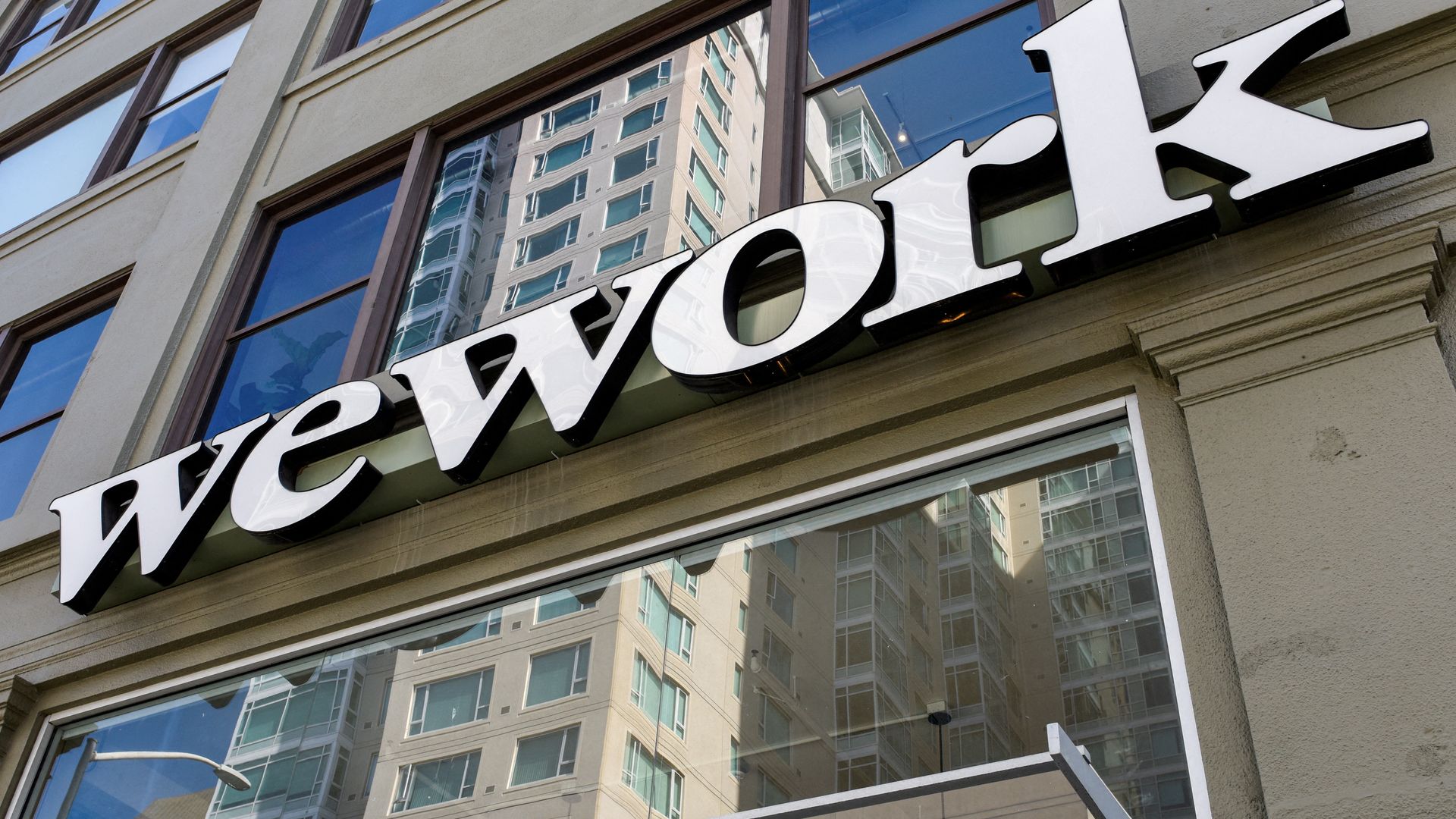
Office-sharing company, WeWork, files for bankruptcy
Nov 07, 2023
By Karah Rucker (Anchor/Reporter), Brock Koller (Senior Producer), Alex Peebles (Producer), Ian Kennedy (Editor)
Media Landscape
See who else is reporting on this story and which side of the political spectrum they lean. To read other sources, click on the plus signs below.
Learn more about this dataLeft 35%
Center 47%
Right 17%
Bias Distribution
Far
Left
+0
Click to close
WeWork shares suspended as investors brace for bankruptcy filing
Click to see story on The Guardian
SoftBank’s WeWork, once most valuable U.S. startup, succumbs to bankruptcy
Click to see story on The Hindu
WeWork files for bankruptcy
Click to see story on The Independent
WeWork files for bankruptcy protection
Click to see story on CBC News
”Our Operations…”: WeWork India After Company Files For Bankruptcy In US And Canada
Click to see story on NDTV
WeWork stock halted as rumors swirl about bankruptcy preparations for the office sharing company
Click to see story on Associated Press News
WeWork files for bankruptcy years after office-sharing company was valued at $47 billion
Click to see story on USA Today
WeWork, a firm once valued at close to US$50B, seeks bankruptcy protection
Click to see story on Global News
WeWork stock halted as rumors swirl about bankruptcy preparations for the office sharing company
Click to see story on abc News
WeWork files for bankruptcy
Click to see story on CNN
WeWork files for bankruptcy after years of losses
Click to see story on The Washington Post
WeWork — once one of the world’s hottest startups — declares bankruptcy
Click to see story on CBS News
La empresa de cotrabajo WeWork se declara en bancarrota
Click to see story on Infobae
WeWork Files for Chapter 11 Bankruptcy
Click to see story on Variety
WeWork Goes Bankrupt, Capping Co-Working Company’s Downfall
Click to see story on Bloomberg
WeWork: Once most valuable start-up is bankrupt
Click to see story on Sueddeutsche Zeitung
WeWork files for bankruptcy in a stunning downfall from its $47 billion heyday
Click to see story on npr
WeWork declares bankruptcy, signs deal with creditors
Click to see story on The Mercury news
WeWork files for bankruptcy in latest sign of commercial real estate reckoning
Click to see story on Business Insider
WeWork files for chapter 11 bankruptcy
Click to see story on abc 6 Philadelphia
WeWork files for Chapter 11 bankruptcy
Click to see story on abc 13 Houston
Office tenant: Former most valuable US start-up WeWork files for bankruptcy
Click to see story on Zeit Online
WeWork files for Chapter 11 bankruptcy
Click to see story on abc11 Raleigh
WeWork files for Chapter 11 bankruptcy
Click to see story on abc 7 News
WeWork seeks bankruptcy protection in stunning fall for a company once valued close to $50 billion
Click to see story on Flin Flon Reminder
WeWork files for Chapter 11 bankruptcy
Click to see story on abc30 News
WeWork seeks bankruptcy protection
Click to see story on Japan Today
WeWork seeks bankruptcy protection in stunning fall for a firm once valued at close to $50B
Click to see story on Chicago Sun Times
WeWork declares bankruptcy after being unable to meet its $18.6 billion debts
Click to see story on El Pais
WeWork seeks bankruptcy protection in stunning fall for a firm once valued at close to $50 billion
Click to see story on Rocky Mountain Outlook
WeWork, once most valuable U.S. startup, succumbs to bankruptcy
Click to see story on Inquirer
WeWork seeks bankruptcy protection in stunning fall for a company once valued close to $50 billion
Click to see story on SooToday.com
Shared office specialist WeWork files for bankruptcy in North America
Click to see story on Le Monde
WeWork forced to file for bankruptcy
Click to see story on Euronews
WeWork seeks bankruptcy protection in stunning fall for a company once valued close to $50 billion
Click to see story on Barrie Today
WeWork files for bankruptcy in stunning turn for company once valued at nearly $50 billion
Click to see story on PBS NewsHour
The WeWork soap opera’s latest episode includes filing for bankruptcy
Click to see story on The Verge
Headline Unavailable
Click to see story on SF Gate
Formerly the most valuable US start-up We Work filed for bankruptcy
Click to see story on der Standard AT
WeWork seeks bankruptcy protection in stunning fall for a firm once valued at close to $50 billion
Click to see story on News & Record
WeWork: Office space provider files for bankruptcy
Click to see story on Spiegel
Headline Unavailable
Click to see story on Axios
A former “unicorn” of shared offices, WeWork files for bankruptcy in the United States and Canada
Click to see story on Liberation
Headline Unavailable
Click to see story on San Antonio Express-News
Trading in WeWork halted as rumours about bankruptcy continue to swirl
Click to see story on The National
Vegetarian restaurant chain Clover Food Lab files for bankruptcy – The Boston Globe
Click to see story on Boston Globe
WeWork files for Chapter 11 bankruptcy protection
Click to see story on Engadget
WeWork Just Filed For Bankruptcy
Click to see story on Wired
Office sharing company WeWork files for bankruptcy protection
Click to see story on The Journal
Office-sharing company WeWork files for bankruptcy
Click to see story on WCSH
WeWork seeks bankruptcy protection in stunning fall for a firm once valued at close to $50 billion
Click to see story on AM New York
WeWork — once one of the highest-rated start-ups — on the brink of bankruptcy
Click to see story on NRC Handelsblad
WeWork files for bankruptcy
Click to see story on Scripps News
WeWork seeks bankruptcy protection in stunning fall for a firm once valued at close to $50 billion
Click to see story on Prince George Citizen
WeWork seeks bankruptcy protection in stunning fall – Maryland Daily Record
Click to see story on Maryland Daily Record
Click to close
WeWork files for bankruptcy in the US
Click to see story on BBC News
How WeWork, once valued at $47 billion, ended up filing for bankruptcy?
Click to see story on Hindustan Times
WeWork files for bankruptcy amid office market downturn
Click to see story on NZ Herald
WeWork files for bankruptcy
Click to see story on KRDO
WeWork seeks bankruptcy protection, a stunning fall for a firm once valued at close to $50 billion
Click to see story on KIFI
WeWork, once valued at $47 billion, files for bankruptcy
Click to see story on CNBC
WeWork, once most valuable US start-up, goes bankrupt
Click to see story on South China Morning Post
SoftBank’s WeWork, once most valuable US startup, succumbs to bankruptcy
Click to see story on Channel News Asia
WeWork succumbs to bankruptcy in the US
Click to see story on RTÉ
WeWork seeks bankruptcy protection, a stunning fall for a firm once valued at close to $50 billion
Click to see story on KVIA
Clover Food Lab files for Chapter 11 bankruptcy
Click to see story on The Business Journals
WeWork, once a pinnacle of tech innovation, files for bankruptcy as challenges mount
Click to see story on WION
WeWork files for bankruptcy in the US
Click to see story on Sky News UK
WeWork Files For Bankruptcy: Ex-CEO Adam Neumann Says ‘Reorganization Will Enable WeWork to Emerge Successfully’ – WeWork (NYSE:WE)
Click to see story on Benzinga
WeWork, once valued near $50 billion, seeks bankruptcy protection
Click to see story on Star Advertiser
Once high flying WeWork crashes in bankruptcy
Click to see story on UPI
WeWork seeks bankruptcy protection
Click to see story on Chicago Tribune
WeWork files for chapter 11 bankruptcy
Click to see story on abc 7 Chicago
WeWork seeks bankruptcy protection, a stunning fall for a firm once valued at close to $50 billion
Click to see story on News 4 JAX
WeWork seeks bankruptcy protection, a stunning fall for a firm once valued at close to $50 billion
Click to see story on WPLG
WeWork forced to file for bankruptcy in the US
Click to see story on Tech Radar
WeWork seeks bankruptcy protection, a stunning fall for a firm once valued at close to $50 billion
Click to see story on WKMG
WeWork stock halted as rumors swirl about bankruptcy preparations for the office sharing company
Click to see story on Click on Detroit
WeWork files for Chapter 11 bankruptcy
Click to see story on abc 7 LA
WeWork bankruptcy: What’s next for coworking office spaces
Click to see story on Deutsche Welle
WeWork files for chapter 11 bankruptcy
Click to see story on abc 7 NY
WeWork seeks bankruptcy protection, a stunning fall for a firm once valued at close to $50 billion
Click to see story on Portland Press Herald
WeWork owes at least $7.4M to Boston landlords, bankruptcy filing reveals
Click to see story on WCVB
Business Daily – Co-working firm WeWork files for bankruptcy in US amid office real estate downturn
Click to see story on France24
WeWork seeks bankruptcy protection in stunning fall for a firm once valued at close to $50 billion
Click to see story on The Billings Gazette
WeWork seeks bankruptcy protection in stunning fall for a firm once valued at close to $50 billion – Boston News, Weather, Sports
Click to see story on WHDH
WeWork, once worth $47 billion, files for bankruptcy
Click to see story on TechCrunch
WeWork seeks bankruptcy protection in stunning fall for a firm once valued at close to $50 billion
Click to see story on Lincoln Journal Star
WeWork Shares Halted Amid Reports Of Bankruptcy
Click to see story on Forbes
WeWork seeks bankruptcy protection in stunning fall for a firm once valued at close to $50 billion
Click to see story on Denver Post
WeWork stock still halted for news, with no release or comment from the company
Click to see story on MarketWatch
WeWork seeks bankruptcy protection in stunning fall for a firm once valued at close to $50 billion
Click to see story on Helena Independent Record
Once valued at $47B, office-sharing company WeWork files for bankruptcy
Click to see story on Penn Live
WeWork seeks bankruptcy protection in stunning fall for a firm once valued at close to $50 billion
Click to see story on Missoulian
WeWork files for bankruptcy protection, seeks to ‘reject’ leases and shed debt
Click to see story on The Oregonian
WeWork seeks bankruptcy protection in stunning fall for a firm once valued at close to $50 billion
Click to see story on KRQE News 13
WeWork seeks bankruptcy protection in stunning fall for a firm once valued at close to $50 billion
Click to see story on Montana Standard
WeWork seeks bankruptcy protection, a stunning fall for a firm once valued at close to USD 50 billion
Click to see story on Devdiscourse
WeWork seeks bankruptcy protection in stunning fall for a firm once valued at close to $50 billion
Click to see story on WGN 9
WeWork files for Chapter 11 bankruptcy but CEO remains upbeat
Click to see story on Fortune
SoftBank’s WeWork, once most valuable U.S. startup, succumbs to bankruptcy
Click to see story on WTVB
WeWork files for bankruptcy, a stunning fall for a firm once valued at $47 billion
Click to see story on Syracuse NY
WeWork stock halted as rumors swirl about bankruptcy preparations for the office sharing company
Click to see story on WRIC
Office-sharing company WeWork files for bankruptcy
Click to see story on 9NEWS Denver
WeWork filed for bankruptcy in the United States
Click to see story on Eesti Rahvusringhääling
WeWork seeks bankruptcy protection in stunning fall for a firm once valued at close to $50 billion
Click to see story on WPRI 12
Office space provider WeWork files for bankruptcy
Click to see story on Tagesschau
WeWork seeks bankruptcy protection, a stunning fall for a firm once valued at close to $50 billion
Click to see story on CP24
WeWork seeks bankruptcy protection in stunning fall
Click to see story on NY1
WeWork seeks bankruptcy protection, a stunning fall for a firm once valued at close to $50 billion
Click to see story on WCBD
WeWork files for bankruptcy in a stunning downfall from its $47 billion heyday
Click to see story on OPB
WeWork seeks bankruptcy protection, a stunning fall for a firm once valued at close to $50 billion
Click to see story on KOIN 6
WeWork seeks bankruptcy protection in stunning fall for a firm once valued at close to $50 billion
Click to see story on The Columbian
Office-sharing company WeWork files for bankruptcy
Click to see story on WFAA 8abc
WeWork seeks bankruptcy protection, a stunning fall for a firm once valued at close to $50 billion
Click to see story on KCRG
WeWork seeks bankruptcy protection in stunning fall for a firm once valued at close to $50 billion
Click to see story on Omaha World-Herald
WeWork files for bankruptcy amid office market downturnFinancial Times
Click to see story on Financial Times
Once valued at $47 billion, WeWork seeks bankruptcy protection
Click to see story on The Christian Science Monitor
WeWork Files for Bankruptcy. SoftBank Couldn’t Save It.
Click to see story on Barron's
Trading in WeWork shares halted amid reports of possible bankruptcy filing By Investing.com
Click to see story on Investing.com
WeWork Shares Halted for Trading on Pending News
Click to see story on Bloomberg Law
Office-sharing company WeWork files for bankruptcy
Click to see story on Krem2 News
Office-sharing company WeWork files for bankruptcy
Click to see story on WBIR
WeWork doesn’t work as a business, files for bankruptcy
Click to see story on theregister.com
WeWork files for bankruptcy
Click to see story on abc12/WJRT
WeWork seeks bankruptcy protection in stunning fall for a company once valued close to $50 billion
Click to see story on Daily Local News
Boston eatery chain Clover Food Lab files for bankruptcy
Click to see story on WBUR
WeWork seeks bankruptcy protection, a stunning fall for a firm once valued at close to $50 billion
Click to see story on Denison Bulletin & Review – DBRNews.com
Trading in WeWork Halted Amid Bankruptcy Rumors
Click to see story on slashdot.org
Office-sharing company, WeWork, files for bankruptcy
Click to see story on Straight Arrow News
WeWork Shares Stop Trading For ‘Pending’ Announcement
Click to see story on law360.com
Click to close
SoftBank’s WeWork, once valued at $47 billion, files for bankruptcy
Click to see story on Times of India
WeWork, Once Most Valuable US Startup, Succumbs To Bankruptcy
Click to see story on News18 India
Office sharing company WeWork files for bankruptcy protection in US
Click to see story on Independent.ie
WeWork seeks bankruptcy protection, a stunning fall for a firm once valued at close to $50 billion
Click to see story on Washington Times
WeWork, once most valuable US startup at $47B, succumbs to bankruptcy
Click to see story on New York Post
WeWork files for bankruptcy with liabilities of up to $50bn
Click to see story on The Telegraph
WeWork seeks bankruptcy protection, a stunning fall for a firm once valued at close to $50 billion
Click to see story on National Post
WeWork seeks bankruptcy protection, a stunning fall for a firm once valued at close to $50 billion
Click to see story on Financial Post
WeWork goes bankrupt
Click to see story on Evening Standard
WeWork files for bankruptcy
Click to see story on Bangkok Post
Former start-up giant WeWork succumbs to bankruptcy
Click to see story on The West Australian
Shared office specialist WeWork files for bankruptcy
Click to see story on Le Figaro
WeWork Stock Halted as Rumors Swirl about Bankruptcy Preparations for the Office Sharing Company
Click to see story on 読売新聞オンライン
WeWork files for bankruptcy
Click to see story on Die Presse
Coworking provider: Former most valuable US start-up WeWork files for bankruptcy
Click to see story on Frankfurter Allgemeine
WeWork Stock Halted; Coworking Giant Had Been Preparing Bankruptcy Filing
Click to see story on Wall Street Journal
WeWork files for bankruptcy protections in US
Click to see story on 9News
WeWork shares halted on Nasdaq, news pending (NYSE:WE)
Click to see story on Seeking Alpha
WeWork files for bankruptcy protection in US after downturn
Click to see story on berlingske.dk
SoftBank Group invests in US WeWork and management goes bankrupt
Click to see story on NHK World
WeWork seeks bankruptcy protection in stunning fall for a firm once valued at close to $50 billion
Click to see story on KUTV
WeWork files for bankruptcy amid office market downturn
Click to see story on Australian Financial Review
WeWork declares bankruptcy asphyxiated by its debts
Click to see story on La Nación, Grupo Nación
WeWork Files for Bankruptcy, Marking a New Low for the One-Time Unicorn
Click to see story on The Messenger
Click to close
Former Multibillion Dollar Start-Up Files For Bankruptcy
Click to see story on The Daily Caller
WeWork seeks bankruptcy protection, a stunning fall for a firm once valued at close to $50 billion
Click to see story on Toronto Sun
Coworking space startup WeWork files for bankruptcy in US, Canada
Click to see story on OpIndia
WeWork Files for Bankruptcy After Once Boasting a $47 Billion Valuation
Click to see story on Breitbart
Click to close
Far
Right
+0
Click to close
Untracked Bias
WeWork files for bankruptcy
Click to see story on Globo
Trading in WeWork halted as rumours about bankruptcy continue to swirl
Click to see story on Shropshire Star
How WeWork Went From $47 Billion Unicorn to Bankrupt Penny Stock
Click to see story on The Mercury
WeWork declara falência nos EUA e Canadá. Empresa que aluga espaços de cowork diz que “atividades em Portugal não fazem parte do processo”
Click to see story on Observador
Office sharing company WeWork files for bankruptcy protection
Click to see story on Stv
Gigante de escritórios partilhados WeWork vai declarar falência nos EUA e Canadá
Click to see story on Publico
É oficial: empresa americana de partilha de escritórios WeWork abre falência
Click to see story on Jornal Expresso
Former start-up giant WeWork succumbs to bankruptcy
Click to see story on PerthNow
WeWork went bankrupt in the United States
Click to see story on Adevarul
WeWork, icono del ‘coworking’ que llegó a valer 47.000 millones, se declara en bancarrota
Click to see story on La Vanguardia
Kantoorverhuurder WeWork vraagt uitstel betaling aan en dreigt failliet te gaan
Click to see story on NU
Co-working company WeWork files for bankruptcy in the US
Click to see story on Aristegui Noticias
Former most valuable US start-up WeWork files for bankruptcy
Click to see story on Kurier
Office space provider WeWork files for bankruptcy
Click to see story on nordbayern.de
WeWork seeks bankruptcy protection in stunning fall for a company once valued close to $50 billion
Click to see story on Orillia Matters
WeWork seeks bankruptcy protection in stunning fall for a firm once valued at close to $50 billion
Click to see story on Airdrie City View
WeWork seeks bankruptcy protection in stunning fall for a company once valued close to $50 billion
Click to see story on Newmarket Today
WeWork seeks bankruptcy protection in stunning fall for a company once valued close to $50 billion
Click to see story on Midland Today
WeWork seeks bankruptcy protection in stunning fall for a company once valued close to $50 billion
Click to see story on Collingwood Today
Co-working provider WeWork files for bankruptcy
Click to see story on rnd.de
WeWork seeks bankruptcy protection in stunning fall for a company once valued close to $50 billion
Click to see story on Thorold Today
WeWork seeks bankruptcy protection in stunning fall for a company once valued close to $50 billion
Click to see story on Elora Fergus Today
Empresa de escritórios WeWork vai declarar falência nos EUA e Canadá
Click to see story on SIC Notícias
Office tenant on the brink of bankruptcy: WeWork shares suspended from trading
Click to see story on n-tv.de
Từng trị giá gần 50 tỉ USD, WeWork nộp đơn bảo hộ phá sản
Click to see story on Thanh Niên
WeWork files for bankruptcy in the US
Click to see story on Roscommon Herald
Bankruptcy of Startup WeWork: You want it too
Click to see story on TAZ
Shared office giant Wework to declare bankruptcy in the US and Canada
Click to see story on Jornal de Negócios
WeWork, valued at $47B in 2019, files for Chapter 11 bankruptcy protection for its locations in the US and Canada, and reports liabilities between $10B and $50B
Click to see story on techmeme.com
WeWork požádal v USA o ochranu před věřiteli. O sdílené kanceláře není zájem
Click to see story on iDNES.cz
WeWork was once worth tens of billions, now seeks protection from creditors
Click to see story on aktuality.sk
Area veggie chain files for bankruptcy
Click to see story on Universal Hub
WeWork files for bankruptcy in the United States
Click to see story on El Comercio
Wework is bankrupt
Click to see story on E24
Bankruptcy: Wework flees into creditor protection in North America
Click to see story on Heise
Tue. 9:27 a.m.: WeWork seeks bankruptcy protection in stunning fall for a firm once valued at close to $50 billion
Click to see story on tribtoday.com
WeWork files for bankruptcy protection in the US
Click to see story on borsen.dk
Este oficial: WeWork intră în faliment şi semnează un pact cu creditorii pentru reducerea datoriilor de aproape 19 miliarde de dolari
Click to see story on ZF.ro
WeWork files for bankruptcy in the US and Canada
Click to see story on Il Sole 24 Ore
Office space provider WeWork files for bankruptcy
Click to see story on inFranken.de
Co-working provider Wework files for bankruptcy
Click to see story on LVZ – Leipziger Volkszeitung
WeWork seeks bankruptcy protection in stunning fall for a firm once valued at close to $50 billion – The Iola Register
Click to see story on Iola Register
Office space provider WeWork files for bankruptcy
Click to see story on az Aargauer Zeitung
WeWork stock halted as rumors swirl about bankruptcy preparations | Finance & Commerce
Click to see story on Finance & Commerce
Pár éve még a világ egyik legértékesebb startupja volt, most csődöt jelentett a WeWork
Click to see story on Heti Világgazdaság
WeWork seeks bankruptcy protection
Click to see story on Long Island Business News
WeWork Files for Bankruptcy
Click to see story on Atlas News
WeWork’s Descent: From $47 Billion to Bankruptcy Court
Click to see story on Financial World
US company files for bankruptcy
Click to see story on Aydınlık
US real estate company WeWork files for bankruptcy – La Opinion
Click to see story on La Opinion
Wework ansöker om konkurs
Click to see story on unt.se
WeWork seeks bankruptcy protection in stunning fall for a firm once valued at close to $50 billion
Click to see story on Bradford Today
WeWork stock halted as rumors swirl about bankruptcy preparations for the office sharing company – The Morning Sun
Click to see story on communityq.com
WeWork files for bankruptcy
Click to see story on CNN Brasil
WeWork seeks bankruptcy protection in stunning fall for a company once valued close to $50 billion
Click to see story on Timmins Today
Las acciones de WeWork se mantienen en pausa mientras la compañía enfrenta dificultades
Click to see story on claytoncountyregister.com
WeWork, the co-working company, filed for bankruptcy
Click to see story on eltiempolatino.com
WeWork seeks bankruptcy protection in stunning fall for a firm once valued at close to US$50B
Click to see story on biv.com
WeWork Files For Bankruptcy With $47 Billion Valuation
Click to see story on CTN News l Chiang Rai Times
WeWork stock halted as rumors swirl about bankruptcy
Click to see story on Brooklyn Daily Eagle
WeWork hakeutuu yrityssaneeraukseen – Kriisiyhtiö oli ennen korona-aikoja lähes 47 miljardin dollarin arvoinen
Click to see story on arvopaperi.fi
WeWork shares halted amid reports of bankruptcy
Click to see story on forbes.com.au
Click to close
223 other sources covering this story
Total News Sources
223
Leaning Left
57
Center
76
Leaning Right
28
Last Updated
6 months ago
Bias Distribution Powered by Ground News™
Late Monday, Nov. 7, WeWork, the office-sharing company, announced it has filed for Chapter 11 bankruptcy protection. The company said it intends to trim “non-operational” leases.

Download the SAN app today to stay up-to-date with Unbiased. Straight Facts™.
Point phone camera here
“Now is the time for us to pull the future forward by aggressively addressing our legacy leases and dramatically improving our balance sheet,” said David Tolley, WeWork CEO. “We defined a new category of working, and these steps will enable us to remain the global leader in flexible work.
Today, we take another step forward to best position WeWork for the future. We remain committed to our members and to delivering a best-in-class experience in our spaces. https://t.co/b2pZQSWJBQ pic.twitter.com/7M2gpKyANt
— WeWork (@WeWork) November 7, 2023
According to the company, along with filing for bankruptcy, WeWork is implementing a “restructuring support agreement” in which the majority of the company’s lenders agreed to convert its secured debt into equity, effectively getting rid of around $3 billion of debt.
In August, WeWork sounded the alarms in a financial filing that said, “substantial doubt exists about the Company’s ability to continue as a going concern.”
WeWork, which Japan’s Softbank backs, was once valued at $47 billion in 2019, the same year it attempted but failed to go public, which led to the ouster of its founder.
.@WeWork's IPO has been one of the most debated in recent memory—but the real controversy is what is contained in the company's prospectus , according to research: https://t.co/ycgFUS8bNl #HBSWK pic.twitter.com/u2RmvdkjlO
— Harvard Business School (@HarvardHBS) September 21, 2019
After eventually going public two years later, at a reduced valuation of $9 billion, the company faced roadblocks with the pandemic leading to hybrid and work-from-home options.
Unbiased news.
Directly to your inbox. Free!
Learn more about our emails. Unsubscribe anytime.
By entering your email, you agree to the Terms & Conditions and acknowledge the Privacy Policy.
Shares of WeWork have dropped approximately 98% this year alone.
While WeWork leases millions of square feet of office space in 777 locations across 39 countries, the bankruptcy filing affects only WeWork’s sites in the U.S. and Canada.
Tags: Bankruptcy
LATE LAST NIGHT — WE-WORK – THE OFFICE-SHARING COMPANY — ANNOUNCED IT HAS FILED FOR CHAPTER 11 BANKRUPTCY.
THE COMPANY SAYS IT INTENDS TO TRIM “NON-OPERATIONAL” LEASES.
WE-WORK — WHICH IS BACKED BY JAPAN’S SOFT-BANK — WAS ONCE VALUED AT $47 BILLION IN 2019 –
THE SAME YEAR IT ATTEMPTED BUT FAILED TO GO PUBLIC — WHICH LED TO THE OUSTER OF ITS FOUNDER.
AFTER EVENTUALLY GOING PUBLIC TWO YEARS LATER – AT A REDUCED VALUATION OF $9 BILLION – THE COMPANY FACED ROADBLOCKS WITH THE PANDEMIC LEADING TO HYBRID AND WORK-FROM-HOME OPTIONS.
SHARES OF WE-WORK HAVE DROPPED APPROXIMATELY 98 PERCENT THIS YEAR ALONE.
WHILE WE-WORK LEASES MILLIONS OF SQUARE FEET OF OFFICE SPACE IN 777 LOCATIONS ACROSS 39 COUNTRIES — THE BANKRUPTCY FILING AFFECTS ONLY WEWORK’S SITES IN THE U.S. AND CANADA.
Related
Media Landscape
See who else is reporting on this story and which side of the political spectrum they lean. To read other sources, click on the plus signs below.
Learn more about this dataLeft 35%
Center 47%
Right 17%
Bias Distribution
Far
Left
+0
Click to close
WeWork shares suspended as investors brace for bankruptcy filing
Click to see story on The Guardian
SoftBank’s WeWork, once most valuable U.S. startup, succumbs to bankruptcy
Click to see story on The Hindu
WeWork files for bankruptcy
Click to see story on The Independent
WeWork files for bankruptcy protection
Click to see story on CBC News
”Our Operations…”: WeWork India After Company Files For Bankruptcy In US And Canada
Click to see story on NDTV
WeWork stock halted as rumors swirl about bankruptcy preparations for the office sharing company
Click to see story on Associated Press News
WeWork files for bankruptcy years after office-sharing company was valued at $47 billion
Click to see story on USA Today
WeWork, a firm once valued at close to US$50B, seeks bankruptcy protection
Click to see story on Global News
WeWork stock halted as rumors swirl about bankruptcy preparations for the office sharing company
Click to see story on abc News
WeWork files for bankruptcy
Click to see story on CNN
WeWork files for bankruptcy after years of losses
Click to see story on The Washington Post
WeWork — once one of the world’s hottest startups — declares bankruptcy
Click to see story on CBS News
La empresa de cotrabajo WeWork se declara en bancarrota
Click to see story on Infobae
WeWork Files for Chapter 11 Bankruptcy
Click to see story on Variety
WeWork Goes Bankrupt, Capping Co-Working Company’s Downfall
Click to see story on Bloomberg
WeWork: Once most valuable start-up is bankrupt
Click to see story on Sueddeutsche Zeitung
WeWork files for bankruptcy in a stunning downfall from its $47 billion heyday
Click to see story on npr
WeWork declares bankruptcy, signs deal with creditors
Click to see story on The Mercury news
WeWork files for bankruptcy in latest sign of commercial real estate reckoning
Click to see story on Business Insider
WeWork files for chapter 11 bankruptcy
Click to see story on abc 6 Philadelphia
WeWork files for Chapter 11 bankruptcy
Click to see story on abc 13 Houston
Office tenant: Former most valuable US start-up WeWork files for bankruptcy
Click to see story on Zeit Online
WeWork files for Chapter 11 bankruptcy
Click to see story on abc11 Raleigh
WeWork files for Chapter 11 bankruptcy
Click to see story on abc 7 News
WeWork seeks bankruptcy protection in stunning fall for a company once valued close to $50 billion
Click to see story on Flin Flon Reminder
WeWork files for Chapter 11 bankruptcy
Click to see story on abc30 News
WeWork seeks bankruptcy protection
Click to see story on Japan Today
WeWork seeks bankruptcy protection in stunning fall for a firm once valued at close to $50B
Click to see story on Chicago Sun Times
WeWork declares bankruptcy after being unable to meet its $18.6 billion debts
Click to see story on El Pais
WeWork seeks bankruptcy protection in stunning fall for a firm once valued at close to $50 billion
Click to see story on Rocky Mountain Outlook
WeWork, once most valuable U.S. startup, succumbs to bankruptcy
Click to see story on Inquirer
WeWork seeks bankruptcy protection in stunning fall for a company once valued close to $50 billion
Click to see story on SooToday.com
Shared office specialist WeWork files for bankruptcy in North America
Click to see story on Le Monde
WeWork forced to file for bankruptcy
Click to see story on Euronews
WeWork seeks bankruptcy protection in stunning fall for a company once valued close to $50 billion
Click to see story on Barrie Today
WeWork files for bankruptcy in stunning turn for company once valued at nearly $50 billion
Click to see story on PBS NewsHour
The WeWork soap opera’s latest episode includes filing for bankruptcy
Click to see story on The Verge
Headline Unavailable
Click to see story on SF Gate
Formerly the most valuable US start-up We Work filed for bankruptcy
Click to see story on der Standard AT
WeWork seeks bankruptcy protection in stunning fall for a firm once valued at close to $50 billion
Click to see story on News & Record
WeWork: Office space provider files for bankruptcy
Click to see story on Spiegel
Headline Unavailable
Click to see story on Axios
A former “unicorn” of shared offices, WeWork files for bankruptcy in the United States and Canada
Click to see story on Liberation
Headline Unavailable
Click to see story on San Antonio Express-News
Trading in WeWork halted as rumours about bankruptcy continue to swirl
Click to see story on The National
Vegetarian restaurant chain Clover Food Lab files for bankruptcy – The Boston Globe
Click to see story on Boston Globe
WeWork files for Chapter 11 bankruptcy protection
Click to see story on Engadget
WeWork Just Filed For Bankruptcy
Click to see story on Wired
Office sharing company WeWork files for bankruptcy protection
Click to see story on The Journal
Office-sharing company WeWork files for bankruptcy
Click to see story on WCSH
WeWork seeks bankruptcy protection in stunning fall for a firm once valued at close to $50 billion
Click to see story on AM New York
WeWork — once one of the highest-rated start-ups — on the brink of bankruptcy
Click to see story on NRC Handelsblad
WeWork files for bankruptcy
Click to see story on Scripps News
WeWork seeks bankruptcy protection in stunning fall for a firm once valued at close to $50 billion
Click to see story on Prince George Citizen
WeWork seeks bankruptcy protection in stunning fall – Maryland Daily Record
Click to see story on Maryland Daily Record
Click to close
WeWork files for bankruptcy in the US
Click to see story on BBC News
How WeWork, once valued at $47 billion, ended up filing for bankruptcy?
Click to see story on Hindustan Times
WeWork files for bankruptcy amid office market downturn
Click to see story on NZ Herald
WeWork files for bankruptcy
Click to see story on KRDO
WeWork seeks bankruptcy protection, a stunning fall for a firm once valued at close to $50 billion
Click to see story on KIFI
WeWork, once valued at $47 billion, files for bankruptcy
Click to see story on CNBC
WeWork, once most valuable US start-up, goes bankrupt
Click to see story on South China Morning Post
SoftBank’s WeWork, once most valuable US startup, succumbs to bankruptcy
Click to see story on Channel News Asia
WeWork succumbs to bankruptcy in the US
Click to see story on RTÉ
WeWork seeks bankruptcy protection, a stunning fall for a firm once valued at close to $50 billion
Click to see story on KVIA
Clover Food Lab files for Chapter 11 bankruptcy
Click to see story on The Business Journals
WeWork, once a pinnacle of tech innovation, files for bankruptcy as challenges mount
Click to see story on WION
WeWork files for bankruptcy in the US
Click to see story on Sky News UK
WeWork Files For Bankruptcy: Ex-CEO Adam Neumann Says ‘Reorganization Will Enable WeWork to Emerge Successfully’ – WeWork (NYSE:WE)
Click to see story on Benzinga
WeWork, once valued near $50 billion, seeks bankruptcy protection
Click to see story on Star Advertiser
Once high flying WeWork crashes in bankruptcy
Click to see story on UPI
WeWork seeks bankruptcy protection
Click to see story on Chicago Tribune
WeWork files for chapter 11 bankruptcy
Click to see story on abc 7 Chicago
WeWork seeks bankruptcy protection, a stunning fall for a firm once valued at close to $50 billion
Click to see story on News 4 JAX
WeWork seeks bankruptcy protection, a stunning fall for a firm once valued at close to $50 billion
Click to see story on WPLG
WeWork forced to file for bankruptcy in the US
Click to see story on Tech Radar
WeWork seeks bankruptcy protection, a stunning fall for a firm once valued at close to $50 billion
Click to see story on WKMG
WeWork stock halted as rumors swirl about bankruptcy preparations for the office sharing company
Click to see story on Click on Detroit
WeWork files for Chapter 11 bankruptcy
Click to see story on abc 7 LA
WeWork bankruptcy: What’s next for coworking office spaces
Click to see story on Deutsche Welle
WeWork files for chapter 11 bankruptcy
Click to see story on abc 7 NY
WeWork seeks bankruptcy protection, a stunning fall for a firm once valued at close to $50 billion
Click to see story on Portland Press Herald
WeWork owes at least $7.4M to Boston landlords, bankruptcy filing reveals
Click to see story on WCVB
Business Daily – Co-working firm WeWork files for bankruptcy in US amid office real estate downturn
Click to see story on France24
WeWork seeks bankruptcy protection in stunning fall for a firm once valued at close to $50 billion
Click to see story on The Billings Gazette
WeWork seeks bankruptcy protection in stunning fall for a firm once valued at close to $50 billion – Boston News, Weather, Sports
Click to see story on WHDH
WeWork, once worth $47 billion, files for bankruptcy
Click to see story on TechCrunch
WeWork seeks bankruptcy protection in stunning fall for a firm once valued at close to $50 billion
Click to see story on Lincoln Journal Star
WeWork Shares Halted Amid Reports Of Bankruptcy
Click to see story on Forbes
WeWork seeks bankruptcy protection in stunning fall for a firm once valued at close to $50 billion
Click to see story on Denver Post
WeWork stock still halted for news, with no release or comment from the company
Click to see story on MarketWatch
WeWork seeks bankruptcy protection in stunning fall for a firm once valued at close to $50 billion
Click to see story on Helena Independent Record
Once valued at $47B, office-sharing company WeWork files for bankruptcy
Click to see story on Penn Live
WeWork seeks bankruptcy protection in stunning fall for a firm once valued at close to $50 billion
Click to see story on Missoulian
WeWork files for bankruptcy protection, seeks to ‘reject’ leases and shed debt
Click to see story on The Oregonian
WeWork seeks bankruptcy protection in stunning fall for a firm once valued at close to $50 billion
Click to see story on KRQE News 13
WeWork seeks bankruptcy protection in stunning fall for a firm once valued at close to $50 billion
Click to see story on Montana Standard
WeWork seeks bankruptcy protection, a stunning fall for a firm once valued at close to USD 50 billion
Click to see story on Devdiscourse
WeWork seeks bankruptcy protection in stunning fall for a firm once valued at close to $50 billion
Click to see story on WGN 9
WeWork files for Chapter 11 bankruptcy but CEO remains upbeat
Click to see story on Fortune
SoftBank’s WeWork, once most valuable U.S. startup, succumbs to bankruptcy
Click to see story on WTVB
WeWork files for bankruptcy, a stunning fall for a firm once valued at $47 billion
Click to see story on Syracuse NY
WeWork stock halted as rumors swirl about bankruptcy preparations for the office sharing company
Click to see story on WRIC
Office-sharing company WeWork files for bankruptcy
Click to see story on 9NEWS Denver
WeWork filed for bankruptcy in the United States
Click to see story on Eesti Rahvusringhääling
WeWork seeks bankruptcy protection in stunning fall for a firm once valued at close to $50 billion
Click to see story on WPRI 12
Office space provider WeWork files for bankruptcy
Click to see story on Tagesschau
WeWork seeks bankruptcy protection, a stunning fall for a firm once valued at close to $50 billion
Click to see story on CP24
WeWork seeks bankruptcy protection in stunning fall
Click to see story on NY1
WeWork seeks bankruptcy protection, a stunning fall for a firm once valued at close to $50 billion
Click to see story on WCBD
WeWork files for bankruptcy in a stunning downfall from its $47 billion heyday
Click to see story on OPB
WeWork seeks bankruptcy protection, a stunning fall for a firm once valued at close to $50 billion
Click to see story on KOIN 6
WeWork seeks bankruptcy protection in stunning fall for a firm once valued at close to $50 billion
Click to see story on The Columbian
Office-sharing company WeWork files for bankruptcy
Click to see story on WFAA 8abc
WeWork seeks bankruptcy protection, a stunning fall for a firm once valued at close to $50 billion
Click to see story on KCRG
WeWork seeks bankruptcy protection in stunning fall for a firm once valued at close to $50 billion
Click to see story on Omaha World-Herald
WeWork files for bankruptcy amid office market downturnFinancial Times
Click to see story on Financial Times
Once valued at $47 billion, WeWork seeks bankruptcy protection
Click to see story on The Christian Science Monitor
WeWork Files for Bankruptcy. SoftBank Couldn’t Save It.
Click to see story on Barron's
Trading in WeWork shares halted amid reports of possible bankruptcy filing By Investing.com
Click to see story on Investing.com
WeWork Shares Halted for Trading on Pending News
Click to see story on Bloomberg Law
Office-sharing company WeWork files for bankruptcy
Click to see story on Krem2 News
Office-sharing company WeWork files for bankruptcy
Click to see story on WBIR
WeWork doesn’t work as a business, files for bankruptcy
Click to see story on theregister.com
WeWork files for bankruptcy
Click to see story on abc12/WJRT
WeWork seeks bankruptcy protection in stunning fall for a company once valued close to $50 billion
Click to see story on Daily Local News
Boston eatery chain Clover Food Lab files for bankruptcy
Click to see story on WBUR
WeWork seeks bankruptcy protection, a stunning fall for a firm once valued at close to $50 billion
Click to see story on Denison Bulletin & Review – DBRNews.com
Trading in WeWork Halted Amid Bankruptcy Rumors
Click to see story on slashdot.org
Office-sharing company, WeWork, files for bankruptcy
Click to see story on Straight Arrow News
WeWork Shares Stop Trading For ‘Pending’ Announcement
Click to see story on law360.com
Click to close
SoftBank’s WeWork, once valued at $47 billion, files for bankruptcy
Click to see story on Times of India
WeWork, Once Most Valuable US Startup, Succumbs To Bankruptcy
Click to see story on News18 India
Office sharing company WeWork files for bankruptcy protection in US
Click to see story on Independent.ie
WeWork seeks bankruptcy protection, a stunning fall for a firm once valued at close to $50 billion
Click to see story on Washington Times
WeWork, once most valuable US startup at $47B, succumbs to bankruptcy
Click to see story on New York Post
WeWork files for bankruptcy with liabilities of up to $50bn
Click to see story on The Telegraph
WeWork seeks bankruptcy protection, a stunning fall for a firm once valued at close to $50 billion
Click to see story on National Post
WeWork seeks bankruptcy protection, a stunning fall for a firm once valued at close to $50 billion
Click to see story on Financial Post
WeWork goes bankrupt
Click to see story on Evening Standard
WeWork files for bankruptcy
Click to see story on Bangkok Post
Former start-up giant WeWork succumbs to bankruptcy
Click to see story on The West Australian
Shared office specialist WeWork files for bankruptcy
Click to see story on Le Figaro
WeWork Stock Halted as Rumors Swirl about Bankruptcy Preparations for the Office Sharing Company
Click to see story on 読売新聞オンライン
WeWork files for bankruptcy
Click to see story on Die Presse
Coworking provider: Former most valuable US start-up WeWork files for bankruptcy
Click to see story on Frankfurter Allgemeine
WeWork Stock Halted; Coworking Giant Had Been Preparing Bankruptcy Filing
Click to see story on Wall Street Journal
WeWork files for bankruptcy protections in US
Click to see story on 9News
WeWork shares halted on Nasdaq, news pending (NYSE:WE)
Click to see story on Seeking Alpha
WeWork files for bankruptcy protection in US after downturn
Click to see story on berlingske.dk
SoftBank Group invests in US WeWork and management goes bankrupt
Click to see story on NHK World
WeWork seeks bankruptcy protection in stunning fall for a firm once valued at close to $50 billion
Click to see story on KUTV
WeWork files for bankruptcy amid office market downturn
Click to see story on Australian Financial Review
WeWork declares bankruptcy asphyxiated by its debts
Click to see story on La Nación, Grupo Nación
WeWork Files for Bankruptcy, Marking a New Low for the One-Time Unicorn
Click to see story on The Messenger
Click to close
Former Multibillion Dollar Start-Up Files For Bankruptcy
Click to see story on The Daily Caller
WeWork seeks bankruptcy protection, a stunning fall for a firm once valued at close to $50 billion
Click to see story on Toronto Sun
Coworking space startup WeWork files for bankruptcy in US, Canada
Click to see story on OpIndia
WeWork Files for Bankruptcy After Once Boasting a $47 Billion Valuation
Click to see story on Breitbart
Click to close
Far
Right
+0
Click to close
Untracked Bias
WeWork files for bankruptcy
Click to see story on Globo
Trading in WeWork halted as rumours about bankruptcy continue to swirl
Click to see story on Shropshire Star
How WeWork Went From $47 Billion Unicorn to Bankrupt Penny Stock
Click to see story on The Mercury
WeWork declara falência nos EUA e Canadá. Empresa que aluga espaços de cowork diz que “atividades em Portugal não fazem parte do processo”
Click to see story on Observador
Office sharing company WeWork files for bankruptcy protection
Click to see story on Stv
Gigante de escritórios partilhados WeWork vai declarar falência nos EUA e Canadá
Click to see story on Publico
É oficial: empresa americana de partilha de escritórios WeWork abre falência
Click to see story on Jornal Expresso
Former start-up giant WeWork succumbs to bankruptcy
Click to see story on PerthNow
WeWork went bankrupt in the United States
Click to see story on Adevarul
WeWork, icono del ‘coworking’ que llegó a valer 47.000 millones, se declara en bancarrota
Click to see story on La Vanguardia
Kantoorverhuurder WeWork vraagt uitstel betaling aan en dreigt failliet te gaan
Click to see story on NU
Co-working company WeWork files for bankruptcy in the US
Click to see story on Aristegui Noticias
Former most valuable US start-up WeWork files for bankruptcy
Click to see story on Kurier
Office space provider WeWork files for bankruptcy
Click to see story on nordbayern.de
WeWork seeks bankruptcy protection in stunning fall for a company once valued close to $50 billion
Click to see story on Orillia Matters
WeWork seeks bankruptcy protection in stunning fall for a firm once valued at close to $50 billion
Click to see story on Airdrie City View
WeWork seeks bankruptcy protection in stunning fall for a company once valued close to $50 billion
Click to see story on Newmarket Today
WeWork seeks bankruptcy protection in stunning fall for a company once valued close to $50 billion
Click to see story on Midland Today
WeWork seeks bankruptcy protection in stunning fall for a company once valued close to $50 billion
Click to see story on Collingwood Today
Co-working provider WeWork files for bankruptcy
Click to see story on rnd.de
WeWork seeks bankruptcy protection in stunning fall for a company once valued close to $50 billion
Click to see story on Thorold Today
WeWork seeks bankruptcy protection in stunning fall for a company once valued close to $50 billion
Click to see story on Elora Fergus Today
Empresa de escritórios WeWork vai declarar falência nos EUA e Canadá
Click to see story on SIC Notícias
Office tenant on the brink of bankruptcy: WeWork shares suspended from trading
Click to see story on n-tv.de
Từng trị giá gần 50 tỉ USD, WeWork nộp đơn bảo hộ phá sản
Click to see story on Thanh Niên
WeWork files for bankruptcy in the US
Click to see story on Roscommon Herald
Bankruptcy of Startup WeWork: You want it too
Click to see story on TAZ
Shared office giant Wework to declare bankruptcy in the US and Canada
Click to see story on Jornal de Negócios
WeWork, valued at $47B in 2019, files for Chapter 11 bankruptcy protection for its locations in the US and Canada, and reports liabilities between $10B and $50B
Click to see story on techmeme.com
WeWork požádal v USA o ochranu před věřiteli. O sdílené kanceláře není zájem
Click to see story on iDNES.cz
WeWork was once worth tens of billions, now seeks protection from creditors
Click to see story on aktuality.sk
Area veggie chain files for bankruptcy
Click to see story on Universal Hub
WeWork files for bankruptcy in the United States
Click to see story on El Comercio
Wework is bankrupt
Click to see story on E24
Bankruptcy: Wework flees into creditor protection in North America
Click to see story on Heise
Tue. 9:27 a.m.: WeWork seeks bankruptcy protection in stunning fall for a firm once valued at close to $50 billion
Click to see story on tribtoday.com
WeWork files for bankruptcy protection in the US
Click to see story on borsen.dk
Este oficial: WeWork intră în faliment şi semnează un pact cu creditorii pentru reducerea datoriilor de aproape 19 miliarde de dolari
Click to see story on ZF.ro
WeWork files for bankruptcy in the US and Canada
Click to see story on Il Sole 24 Ore
Office space provider WeWork files for bankruptcy
Click to see story on inFranken.de
Co-working provider Wework files for bankruptcy
Click to see story on LVZ – Leipziger Volkszeitung
WeWork seeks bankruptcy protection in stunning fall for a firm once valued at close to $50 billion – The Iola Register
Click to see story on Iola Register
Office space provider WeWork files for bankruptcy
Click to see story on az Aargauer Zeitung
WeWork stock halted as rumors swirl about bankruptcy preparations | Finance & Commerce
Click to see story on Finance & Commerce
Pár éve még a világ egyik legértékesebb startupja volt, most csődöt jelentett a WeWork
Click to see story on Heti Világgazdaság
WeWork seeks bankruptcy protection
Click to see story on Long Island Business News
WeWork Files for Bankruptcy
Click to see story on Atlas News
WeWork’s Descent: From $47 Billion to Bankruptcy Court
Click to see story on Financial World
US company files for bankruptcy
Click to see story on Aydınlık
US real estate company WeWork files for bankruptcy – La Opinion
Click to see story on La Opinion
Wework ansöker om konkurs
Click to see story on unt.se
WeWork seeks bankruptcy protection in stunning fall for a firm once valued at close to $50 billion
Click to see story on Bradford Today
WeWork stock halted as rumors swirl about bankruptcy preparations for the office sharing company – The Morning Sun
Click to see story on communityq.com
WeWork files for bankruptcy
Click to see story on CNN Brasil
WeWork seeks bankruptcy protection in stunning fall for a company once valued close to $50 billion
Click to see story on Timmins Today
Las acciones de WeWork se mantienen en pausa mientras la compañía enfrenta dificultades
Click to see story on claytoncountyregister.com
WeWork, the co-working company, filed for bankruptcy
Click to see story on eltiempolatino.com
WeWork seeks bankruptcy protection in stunning fall for a firm once valued at close to US$50B
Click to see story on biv.com
WeWork Files For Bankruptcy With $47 Billion Valuation
Click to see story on CTN News l Chiang Rai Times
WeWork stock halted as rumors swirl about bankruptcy
Click to see story on Brooklyn Daily Eagle
WeWork hakeutuu yrityssaneeraukseen – Kriisiyhtiö oli ennen korona-aikoja lähes 47 miljardin dollarin arvoinen
Click to see story on arvopaperi.fi
WeWork shares halted amid reports of bankruptcy
Click to see story on forbes.com.au
Click to close
223 other sources covering this story
Total News Sources
223
Leaning Left
57
Center
76
Leaning Right
28
Last Updated
6 months ago
Bias Distribution Powered by Ground News™
Unbiased news.
Directly to
your inbox.
Free!
MOST POPULAR
-
 Reuters
Thousands of migrants flew into US under new program. Where did they go?
Watch 4:35
Wednesday
-
 Straight Arrow News
Republicans say Speaker Johnson is not weakened by Democratic support
Watch 2:36
Tuesday
-
 The Metals Company
Deep sea mining may end US reliance on China, enviro concerns remain
Watch 2:42
Monday
-
 Getty Images
USC commencement speakers pull out after valedictorian speech canceled
Watch 2:17
Monday