
Energy
Renewable energy plan in Alaska could disturb thousands of acres of nature
Media Landscape
See who else is reporting on this story and which side of the political spectrum they lean. To read other sources, click on the plus signs below.
Learn more about this dataLeft 38%
Center 38%
Right 25%
Bias Distribution Powered by Ground News™
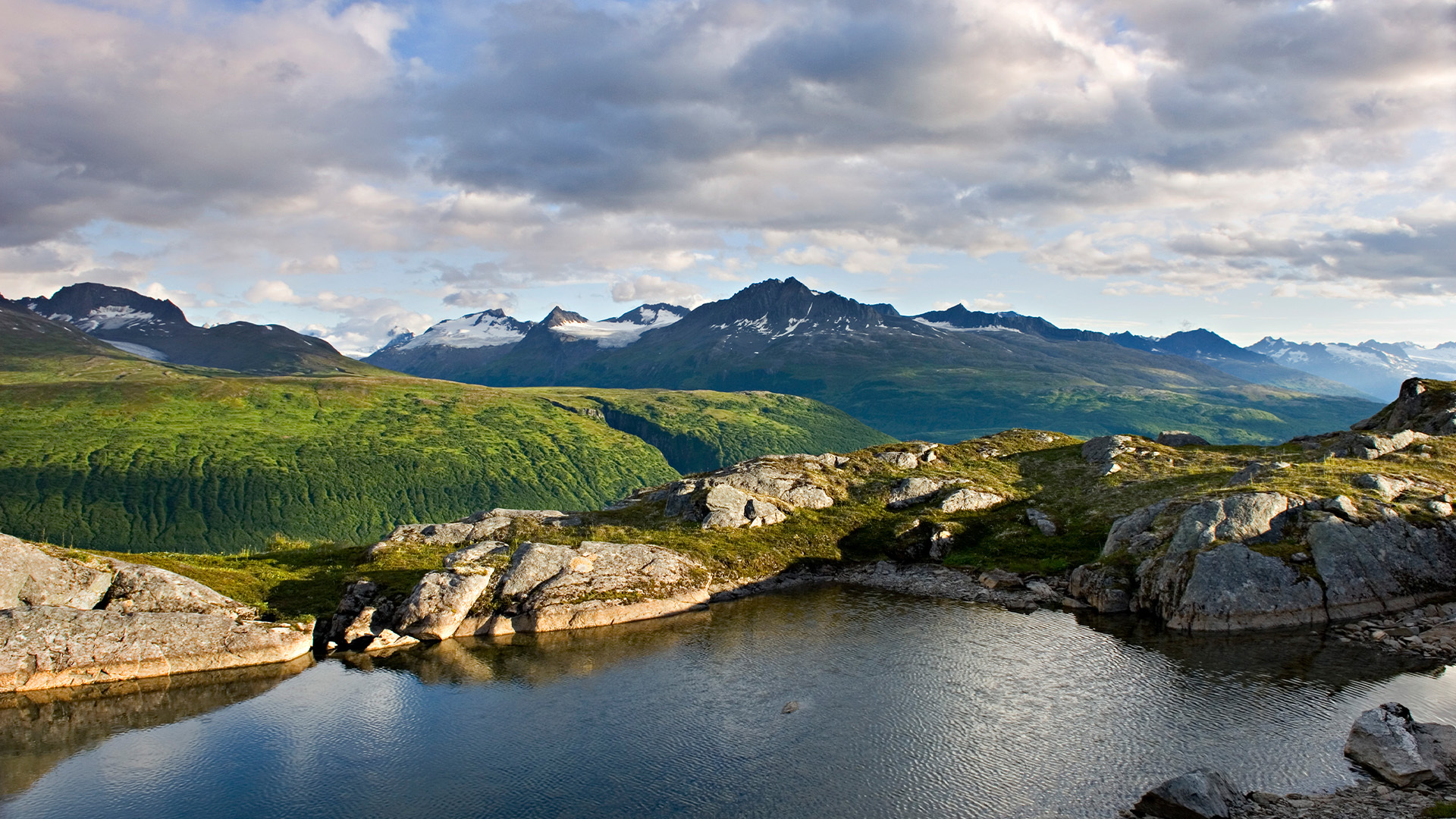
Alaska’s wilderness is teeming with wildlife, as bears, moose, elk, and many more species all call this region home. However, beneath this vibrant ecosystem lies an extensive supply of metals, one that will require disturbing thousands of acres of nature to access.
The White House is expected to step in and put an end to the current plans of going after this metal deposit, despite the importance of these resources to the renewable energy transition.

Download the SAN app today to stay up-to-date with Unbiased. Straight Facts™.
Point phone camera here
The supply in question is located in a remote region of the state, where a 211-mile-long industrial road must first be built in order to make extracting any of it a possibility.
The proposed road, dubbed the Ambler Access Project, would cross hundreds of rivers and streams, as well as the tribal lands of several Alaska Native communities. Indigenous groups argue doing so would negatively impact the surrounding wildlife their people rely on. The groups said caribou migration patterns would be thrown off and important salmon spawning streams affected.
A 50-year right-of-way permit to move forward and build the road was issued by the federal government during former President Donald Trump’s final days in office. However, the current administration is now changing course. An upcoming environmental analysis of the project from President Joe Biden’s Interior Department will reportedly kill the proposed construction.
Meanwhile, investors in the project maintain these resources may actually need to be extracted anyways for the good of the environment. This is because the metals found here are vital for building renewable energy infrastructure.
According to a 2018 feasibility study, 159 million pounds a copper and 199 million pounds of zinc sit within the site.
Copper is among the most fundamental parts of constructing green energy technology, used to make things like solar panels, wind turbines, electric vehicles and power grids. Zinc is similarly essential to building these things, as the World Economic Forum calls the mineral “critical for a low-carbon economy.”
Together, copper and zinc are two of the planet’s top five most used metals, which is why their deposits in Alaska have already seen tens of millions of dollars spent in the effort to reach them. Should the Biden administration ultimately kill the project, a legal battle from companies trying to recoup some of those expenses may follow.
[JACK ALYMER]
THE ALASKAN WILDERNESS IS TEEMING WITH WILDLIFE.
BEARS, MOOSE, ELK, AND MORE CALL THIS REGION HOME.
BUT, BENEATH THIS VIBRANT ECOSYSTEM LIES AN EXTENSIVE SUPPLY OF rare METALS.
and THOUSANDS OF ACRES OF NATURE will need to be DISTURBED TO ACCESS them.
THE WHITE HOUSE IS EXPECTED TO SAY THAT’S TOO HIGH A PRICE – DESPITE THE IMPORTANCE OF THESE RESOURCES TO THE RENEWABLE ENERGY TRANSITION.
THIS SUPPLY IS LOCATED IN A REMOTE REGION OF THE STATE.
TO GET TO IT, A 211-MILE-LONG INDUSTRIAL ROAD MUST BE BUILT.
IT WOULD CROSS HUNDREDS OF RIVERS AND STREAMS, AS WELL AS THE TRIBAL LANDS OF SEVERAL ALASKA NATIVE COMMUNITIES.
INDIGENOUS groupsARGUE DOING SO WOULD NEGATIVELY IMPACT THE SURROUNDING WILDLIFE THEY RELY ON.
saying CARIBOU MIGRATION PATTERNS WOULD BE THROWN OFF AND IMPORTANT SALMON SPAWNING STREAMS AFFECTED.
A PERMIT TO MOVE FORWARD AND BUILD THE ROAD WAS ISSUED BY THE FEDERAL GOVERNMENT DURING PRESIDENT TRUMP’S FINAL DAYS IN OFFICE.
HOWEVER, THE CURRENT ADMINISTRATION IS NOW SAYING NOT SO FAST.
AN UPCOMING ENVIRONMENTAL ANALYSIS OF THE PROJECT FROM BIDEN’S INTERIOR DEPARTMENT WILL REPORTEDLY KILL THE PROPOSED CONSTRUCTION.
BUT SOME ARGUE THESE RESOURCES MAY ACTUALLY NEED TO BE EXTRACTED FOR THE GOOD OF THE ENVIRONMENT.
THAT’S BECAUSE THE METALS FOUND HERE ARE VITAL FOR BUILDING RENEWABLE ENERGY INFRASTRUCTURE.
159 MILLION POUNDS OF COPPER AND 199 MILLION POUNDS OF ZINC SIT WITHIN THE SITE.
BOTH MATERIALS ARE CRITICAL FOR THE CONSTRUCTION OF GREEN ENERGY TECH.
TOGETHER, COPPER AND ZINC ARE TWO OF THE PLANET’S TOP FIVE MOST USED METALS.
WHICH IS WHY TENS OF MILLIONS HAVE ALREADY BEEN SPENT TO REACH THE DEPOSITS IN ALASKA.
SHOULD THE BIDEN ADMINISTRATION ULTIMATELY KILL THE PROJECT, A LEGAL BATTLE FROM COMPANIES TRYING TO RECOUP SOME OF THOSE EXPENSES MAY FOLLOW.
Media Landscape
See who else is reporting on this story and which side of the political spectrum they lean. To read other sources, click on the plus signs below.
Learn more about this dataLeft 38%
Center 38%
Right 25%
Bias Distribution
9 other sources covering this story
Total News Sources
9
Leaning Left
3
Center
3
Leaning Right
2
Last Updated
3 months ago
Bias Distribution Powered by Ground News™
MOST POPULAR
-
 AP Images
N. Korea hackers steal military secrets, hit Air Force bases, NASA, US says
-
 Getty Images
A convicted child rapist is competing in Paris Games, many want to know why
-
 AP
AP
Barack and Michelle Obama endorse Kamala Harris for president
-
 Reuters

Attacks disrupt trains ahead of Olympics opening ceremony