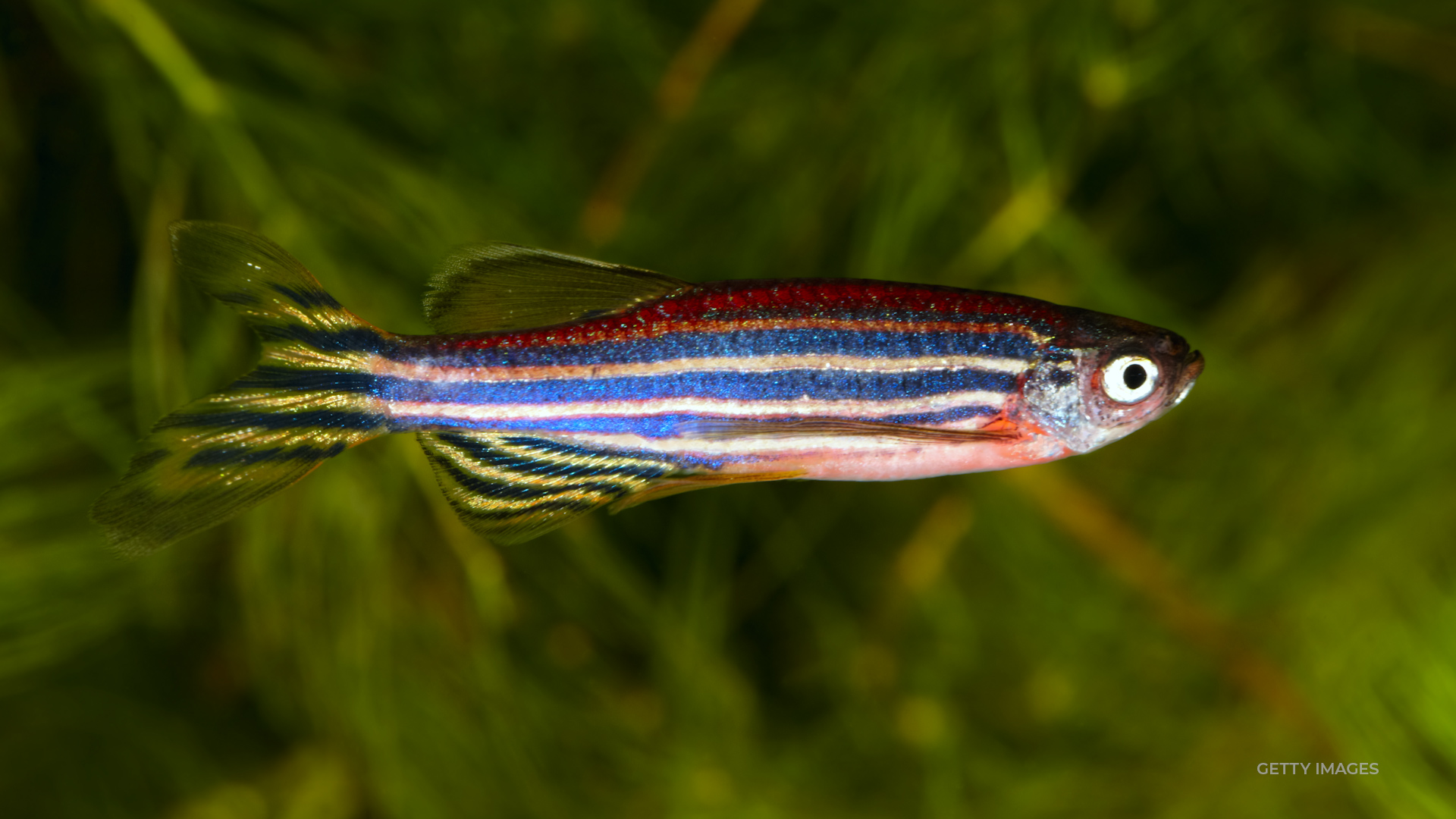

finding nemo: “FISH ARE FRIENDS. NOT FOOD”
MAHMOUD BENNETT:
IT TURNS OUT FISH MAY HAVE FEELINGS AFTER ALL ACCORDING TO A NEW STUDY PUBLISHED IN THE JOURNAL SCIENCE – THE STUDY FOUND THAT FISH ARE CAPABLE OF DETECTING FEAR IN OTHER FISH AND BECOMING AFRAID THEMSELVES
THE RESEARCHERS FOUND EVIDENCE A FISHES ABILITY TO FEEL EMOTION IS REGULATED BY OXYTOCIN – THAT’S THE SAME BRAIN CHEMICAL FOUND IN HUMANS AND PLAYS A MAJOR ROLE IN OUR CAPACITY FOR EMPATHY
THE RESEARCHERS DEMONSTRATED FISH HAD EMPATHY BY DELETING THE GENES RESPONSIBLE FOR OXYTOCIN IN ZEBRAFISH – WHEN THEY DID, THESE CRITTERS BECAME ANTISOCIAL AND WEREN’T ABLE TO REGULATE BEHAVIOR OR RESPOND TO OTHER ANXIOUS FISH
BUT WHEN OXYTOCIN LEVELS WERE RESTORED – THEY BEGAN ACTING SIMILARLY AND MIRRORING THE EMOTIONS OF OTHER FISH – IN WHAT THE CO-AUTHOR OF THE STUDY BELIEVES IS EVIDENCE FISH ARE MORE SIMILAR TO HUMANS THAN WE THINK
THOUGH WHETHER FISH WILL EVER BE FRIENDS NOT FOOD ANYTIME SOON IS UNLIKELY: THE SEAFOOD MARKET WAS A 250 BILLION DOLLAR INDUSTRY IN 2022
AND ACCORDING TO ONE ESTIMATE HUMANS CATCH & FARM FISH AT A RATE OF 11 TIMES THE COMBINED NUMBER OF COWS, CHICKENS, AND PIGS SLAUGHTERED GLOBALLY – A NUMBER THAT’S PROJECTED TO RISE


MOST POPULAR
-
 Getty Images
A convicted child rapist is competing in Paris Games, many want to know why
-
 Reuters

Attacks disrupt trains ahead of Olympics opening ceremony
-
 Getty Images
Philly workers furious over mayor’s order that they return to their offices
-
 AP Images
Israeli forces find bodies of 5 hostages in Gaza as fight turns toward Hezbollah