

Commentary
-
Our commentary partners will help you reach your own conclusions on complex topics.
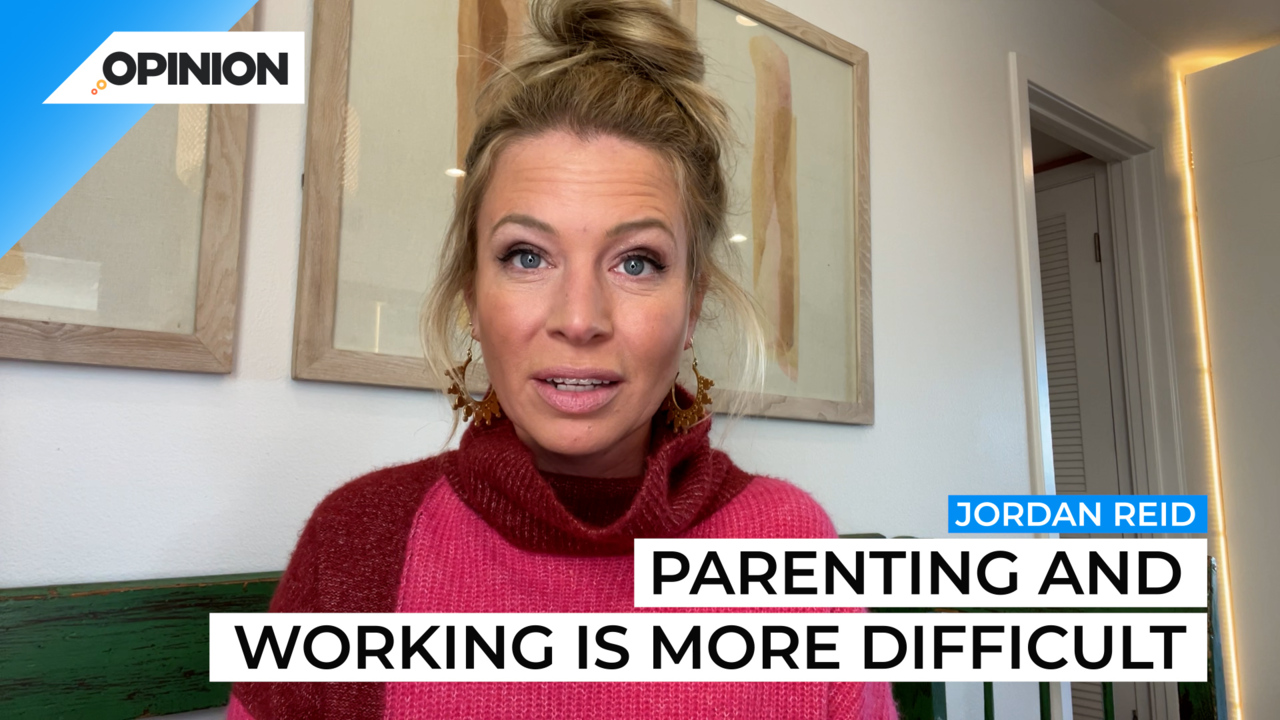
I watched the Hulu show Fleischmanns in trouble with particular interests given that just a few years ago true story, the book changed my life. On the surface Fleischman is in trouble is a show about divorce, but it’s it’s really about aging and ambition. And that moment that you you stop and you look around, you realize you’re not waiting for your life to start. This is it. There’s also been a very interesting cultural reaction to the show. It describes with startling accuracy, the midlife reckoning faced by a very particular subset of women. These are women whose on the surface privilege makes them very hard to describe with any real sense of empathy. Except I read the book that the show is based on shortly after getting divorced myself. And by the time I turn the last page, I was like sitting there open mouth, having just learned with razor sharp specificity, what had just happened to my marriage, and my life. So a big part of the release I felt when reading the book was the acknowledgement that you know, it’s a simple one, you would think, but not in our society, that while parenting is extremely difficult, parenting and working an outside job is more difficult. It’s almost impossible. In fact, unless those Affer mentioned privileges are in place, given that there is next to no structural support for parents in our society. The book holds that the condescension that suggests that stay at home mothers have the you know, the hardest job creates the risk of ignoring what’s happening to working mothers, which is that, frankly, they’re trapped in a system designed to break them.
You know, I worked and I and I also picked up the kids after school. And then I spent the rest of the day ignoring half of my job or half of my family depending on who had the most pressing need of the moment. And like so many other mothers like I made the playdates and I volunteered for the pumpkin patches, and I worried about the 529 accounts and I calendar, the whatever the PTA meetings, and if something came up with, you know, a child and they had to be picked up or they were sick, I was the one switching the meeting to the zoom and just you know, doing everything at once, because I could until I couldn’t. But what I was missing with the language to explain that I was doing too much while pretending that I was not. What Fleischmann is in trouble did was the book first and then the show as well gave me the language to describe the anger that I felt the rage of having so much of my day and my mental space and everything taken up by this avalanche of work that was seemingly invisible from the outside. And much of it was self imposed or imposed by cultural expectations. But it was there Nevertheless, the show reveals to us how silly the whole thing is the school admissions and the social networking and the dinner parties and all of it while also acknowledging its emotional weight. When as a professional or a parent or a woman, is it ever good enough? The answer not just from society, but from ourselves seems to be never and it is refreshing to see right there on the screen and an acknowledgement that we all of us are completely profoundly and legitimately exhausted.
More from Jordan Reid
-
Americans must reject Trump to defend our democracy
At the end of the Republican National Convention, Donald Trump accepted the nomination as the GOP candidate for president. In the first part of his acceptance speech, Trump called for unity and healing, although he derailed into partisanship as he continued. Critics have debated the media’s role in handling Trump’s speech. Some argued he was…
-
It’s time for Kamala Harris to pick up the torch
Debates have continued among Democrats about whether President Joe Biden is the best candidate for the 2024 election or whether an alternative Democratic leader might be more electable. While there’s no shortage of fellow Democratic leaders to choose from, President Biden and his supporters have continued to assert that Biden can and will win as…
-
Republicans want to sabotage US education
Former President Donald Trump’s official educational policy platform reveals plans to eliminate the Department of Education and seize the financial assets and endowments of elite U.S. universities. These proposals and others have convinced some liberal critics that the true goal of Republicans is to intentionally weaken U.S. education. Watch the above video as Straight Arrow…
-
Despite poor debate performance, Biden deserves our support
President Joe Biden himself admits that he delivered a “bad” performance in the first 2024 presidential debate. About a week after what some consider to be the worst debate performance in the history of televised debates, polls indicate that more voters than ever have an unfavorable opinion of the president, believe he is too old…
-
The modern-day Republican woman has terrifying role models
In a recent New York Magazine cover story entitled, “How Did Republican Women End Up Like This,” Rebecca Traister writes about some of the more polarizing examples of female Republican leaders and their positions on abortion, the transgender movement and women in general. With Republican women set to play a major role in the November…


Latest Opinions
-
 U.S. Department of Defense
Congress still trying to figure out how to reduce wasteful military spending
-
 DVIDS
DVIDS
US Navy, Air Force making waves with new weapons at RIMPAC
-
 Getty Images
Israeli PM Netanyahu meets with Trump at Mar-a-Lago
-
 Getty Images
Growing US nuclear power resurgence reaches the nation’s heartland
-
 Getty Images
Beer from the sun, other solar thermal projects get government funding
Popular Opinions
-
In addition to the facts, we believe it’s vital to hear perspectives from all sides of the political spectrum.